Getting enough omega-3 can be a simple part of a balanced diet, especially when you know where to find it naturally. As an essential fat that the body needs for several important functions, omega-3 deserves a regular place in your everyday nutrition. And rather than making major changes to your meals, a few thoughtful food choices can make it easier to include more of it in your routine.
Foods High in Omega-3: What Your Body Needs to Know
Omega‑3 fatty acids, especially EPA and DHA, are essential fats that the body cannot produce on its own. The National Institutes of Health (NIH) notes that adequate intake supports cardiovascular health, cognitive function, and normal inflammation responses [2]. Research from the NIH’s Office of Dietary Supplements also highlights that two servings of fatty fish per week can meet most adults’ EPA + DHA needs [1].
Why Omega-3 Matters for Your Health
Consuming foods high in omega-3 has been linked to lower rates of heart disease, reduced risk of certain cancers, and improved mood. A large cohort study found that regular intake of omega‑3‑rich fish was associated with a 20% lower risk of fatal coronary heart disease [4]. Additionally, a meta‑analysis of randomized trials reported that omega‑3 supplementation can modestly alleviate depressive symptoms [3].
The Best Foods to Add More Omega-3 to Your Diet
Omega-3 can be found in a variety of foods, giving you plenty of ways to incorporate this essential fat into a balanced and nutritious diet.
1. Fatty Fish: The Richest Source of EPA and DHA
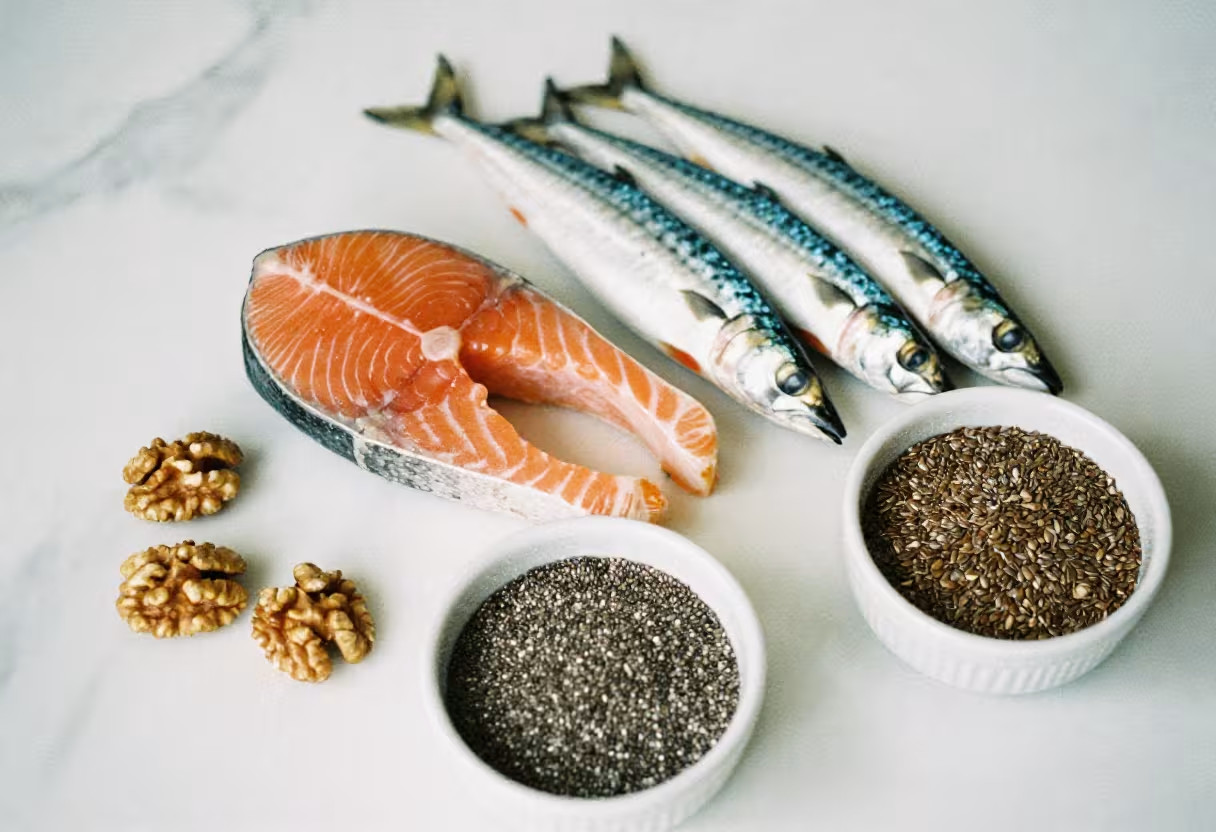
Fatty fish such as salmon, mackerel, sardines, and herring are the richest sources of EPA and DHA. A 100‑gram serving of salmon delivers roughly 2,150 mg of combined EPA + DHA, while the same portion of mackerel provides about 4,580 mg. These fish also supply high‑quality protein, vitamin D, selenium, and B‑vitamins.
2. Plant-Based Sources: Simple Ways to Get ALA
For vegetarians and vegans, plant foods like flaxseed, chia seeds, and walnuts are the top providers of ALA, the plant‑based omega‑3 precursor. One tablespoon of whole flaxseed contains about 2,350 mg of ALA, and an ounce of chia seeds offers over 5,000 mg. While the body converts ALA to EPA and DHA at a modest rate, the conversion efficiency remains a topic of active research [5]. Including a variety of these seeds daily helps boost overall omega‑3 intake.
Are Omega-3-Rich Foods Safe for Everyone?
Most foods high in omega-3 are safe for the general population. However, very high intakes of fish oil supplements can increase bleeding risk in individuals on anticoagulant therapy. Whole food sources rarely cause adverse effects, though some people may experience gastrointestinal discomfort from large amounts of raw flaxseed due to its high fiber content.
How Much Omega-3 Should You Get Each Week?
Aim for at least two servings of fatty fish per week (about 8‑12 oz total) to meet EPA + DHA recommendations. For plant‑based eaters, incorporate 1‑2 tablespoons of ground flaxseed or chia seeds daily, and enjoy a handful of walnuts as a snack. If you have specific health concerns, consult a healthcare professional before adding concentrated omega‑3 supplements.
The Bottom Line
Including a diverse range of foods high in omega-3 in your diet is a practical, tasty way to support heart, brain, and joint health. Whether you prefer the buttery richness of salmon or the crunchy bite of walnuts, regular consumption helps you meet essential fatty‑acid needs without relying on pills alone.





Pingback: Essential Nutrients for Aging: Power Your Body as You Age - SuppFactsDaily
Pingback: 7 Surprising Foods That May Naturally Boost Serotonin Levels - SuppFactsDaily
Pingback: Science-Backed Foods for Depression: What to Eat and Avoid - SuppFactsDaily