
Biotin has earned a reputation as the “beauty vitamin,” but there’s much more to this nutrient than what shows on the surface.
Biotin has become a familiar name in the world of beauty and wellness, often associated with everything from hair care to nutritional supplements. But its importance goes beyond its popular reputation, raising a bigger question about what this essential nutrient actually does inside the body. Understanding its role can help separate well-established benefits from claims that may deserve a closer look.
Understanding Biotin’s Role in the Body
Biotin, also known as vitamin H or vitamin B7, is a water-soluble vitamin that acts as a coenzyme for enzymes involved in the metabolism of carbohydrates, fats, and proteins. By helping these metabolic reactions take place, biotin supports the body’s ability to use nutrients for energy and carry out essential cellular processes. It also contributes to normal growth and the maintenance of healthy skin, hair, and nails. [1]
What Happens When You Don’t Get Enough Biotin?
Although true biotin deficiency is rare, when it does occur, the symptoms can be striking. Common signs include thinning hair, a scaly rash, and brittle nails. Recognizing these cues early can help you address a potential shortfall before it impacts your overall wellbeing. [4]
Biotin Benefits: Where This Essential B Vitamin Matters Most
Biotin does more than support the health of your hair and nails. As an essential B vitamin involved in energy metabolism and other important cellular processes, it contributes to several aspects of health. Here’s what the evidence says about where biotin may offer meaningful benefits—and where the science is still developing.
1. Supports Healthy Hair, Skin, and Nails
Biotin is involved in the production of keratin, a structural protein that forms much of your hair, skin, and nails. This connection has made biotin especially popular in beauty supplements, with many people taking it to encourage hair growth, strengthen brittle nails, or improve skin health. However, while biotin is essential for normal keratin production, research has not established that high-dose biotin supplements significantly improve hair growth in people who already get enough of the vitamin. The strongest benefits are more likely to occur when a genuine deficiency is present. [2]
2. Helps Support Energy and Nutrient Metabolism
One of biotin’s most established roles is helping enzymes metabolize carbohydrates, fats, and proteins. By participating in these metabolic reactions, biotin helps your body convert nutrients from food into forms it can use for energy and other cellular functions. This makes adequate biotin intake important for normal metabolism, although taking extra biotin does not necessarily provide an additional energy boost if you already meet your nutritional needs.
3. May Play a Role in Blood Sugar Regulation
Biotin has also attracted scientific interest for its potential role in glucose metabolism. Some experimental research suggests that biotin may influence insulin sensitivity and blood glucose regulation, particularly in the context of metabolic disorders. However, much of the promising evidence comes from animal and laboratory studies, while human research remains limited. Biotin should therefore not be considered a proven treatment for diabetes or a substitute for established blood sugar management. [3]
4. Supports Nutritional Needs During Pregnancy
Biotin is needed during pregnancy because it contributes to normal cellular processes and fetal development. Pregnancy may also increase the body’s nutritional demands, making an adequate intake of essential vitamins particularly important. Although most people can obtain biotin through a balanced diet and prenatal supplementation, deficiency can be associated with symptoms such as hair thinning and skin changes. Pregnant women should avoid high-dose standalone biotin supplements unless specifically recommended by their healthcare provider. [2]
Biotin-Rich Foods and Daily Intake
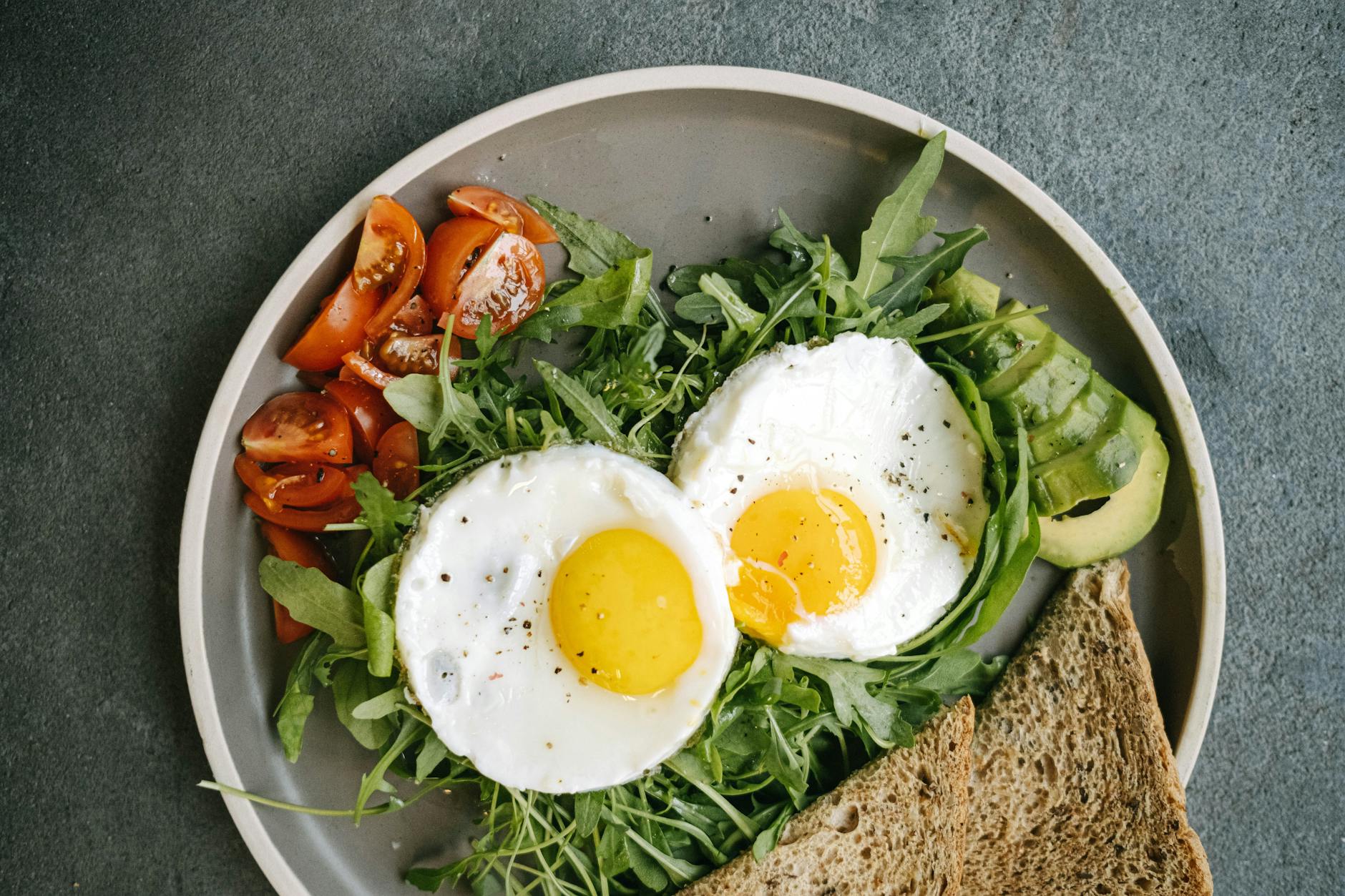
Biotin occurs naturally in a range of foods, making it possible for most people to obtain enough through a varied diet. Good sources include cooked egg yolks, organ meats such as liver, nuts, seeds, legumes, soybeans, whole grains, cauliflower, bananas, mushrooms, and certain fish. Including a mix of these foods can help provide biotin alongside other essential nutrients.
For adults, the U.S. adequate intake for biotin is 30 µg per day. Most healthy adults can meet their needs through food, so taking very high doses is generally unnecessary unless a healthcare professional recommends supplementation. [2]
Biotin Safety, Side Effects, and Precautions
Biotin is water‑soluble, so excess amounts are usually excreted in urine without causing toxicity. Most users tolerate biotin well, though a few report mild nausea or digestive discomfort. Because supplements are not tightly regulated by the FDA, it’s important to choose reputable brands and avoid mega doses unless directed by a healthcare provider. [5]
How Much Biotin Do You Need?
For general health, a daily dose of 30-100 µg is sufficient for most adults. Those with specific concerns such as hair thinning or a diagnosed deficiency may be advised to take slightly higher amounts, but should do so under medical supervision. Split the dose throughout the day with meals to enhance absorption, and pair biotin with a balanced diet rich in the foods listed above.
The Bottom Line
Biotin plays an essential role in nutrient metabolism and contributes to the health of your hair, skin, and nails, but more isn’t necessarily better. For most people, a balanced diet provides enough of this vitamin, while supplementation is best reserved for situations where a deficiency or increased need has been identified. Before adding a biotin supplement to your routine, speak with a healthcare professional to determine whether you actually need one and what amount is appropriate.
Frequently Asked Questions
How long does biotin stay in your system?
Biotin is water-soluble, and the body does not store large amounts of it. How long supplemental biotin remains in the body can vary depending on the dose and individual factors. Because high doses can interfere with some blood tests, follow your healthcare provider’s instructions about when to stop supplementation before testing.
Are biotin gummies better than biotin capsules?
Neither form is inherently better. Gummies and capsules can both provide biotin, so the more important considerations are the amount provided, ingredient quality, added sugars or other ingredients, and whether supplementation is actually necessary.
Can you take biotin with other B vitamins?
Biotin can be taken as part of a B-complex supplement because it naturally belongs to the B-vitamin family. However, check the label carefully if you already use a multivitamin or other supplements to avoid unnecessarily doubling up on nutrients.
Can biotin interfere with blood test results?
Yes. High-dose biotin supplements can interfere with certain laboratory tests and produce inaccurate results. This can affect tests for thyroid hormones, heart-related markers, and other conditions. Always tell your doctor or laboratory professional if you take biotin before having blood work.
Who is most likely to develop a biotin deficiency?
Biotin deficiency is uncommon, but the risk can be higher in people with certain genetic disorders, prolonged use of some medications, severe malnutrition, or conditions that affect nutrient absorption. Long-term consumption of large amounts of raw egg whites may also interfere with biotin absorption.
You May Also Like


Why Trust SuppFactsDaily
Confused by supplements, nutrition advice, and endless health trends? SuppFactsDaily cuts through the noise with clear, science-backed insights on supplements, health, wellness, and nutrition you can actually trust. Every article is built using credible sources like NIH, Cleveland Clinic, and leading medical institutions.
No hype. No guesswork. Just practical guidance to help you make smarter health decisions with confidence.
References
[1] Biotin is a crucial nutrient for embryonic growth and metabolic function
[2] Mayo Clinic – Biotin dosage recommendations and safety overview
[3] Study on biotin’s role in kidney health and metabolic regulation
[4] Oregon State University – Biotin deficiency symptoms and dietary sources
[5] NIH MedlinePlus – Biotin overview, safety, and interactions
Pingback: Skin Health Supplements: Benefits for a Radiant, Glowing Complexion