If you’ve been ignoring zinc, you might be missing a key piece of your health puzzle.
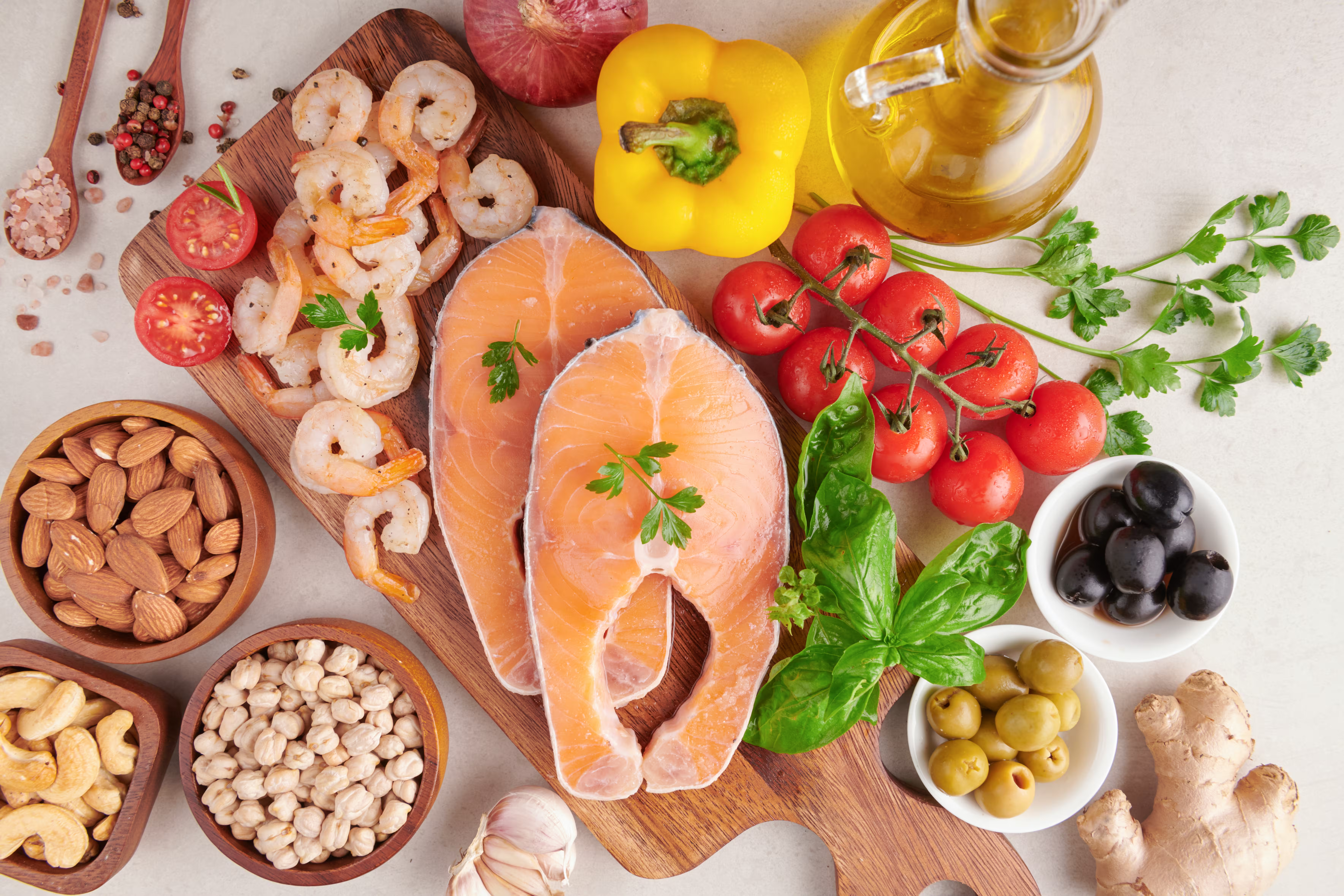
The body requires only trace amounts of zinc, yet it plays a crucial role in the functioning of over 300 enzymes that facilitate essential chemical reactions. It significantly impacts DNA synthesis, cell division, protein synthesis, tissue repair, and immune system maintenance.
Since zinc encourages cell development and multiplication, it is necessary during times of rapid growth, such as childhood, puberty, and pregnancy. Zinc also affects how taste and smell are perceived.
Uses of Zinc
Zinc supplements are frequently utilized to aid in the treatment and prevention of zinc deficiency.
Zinc deficiency is rare, yet the mineral is regarded as an essential nutrient indicating that your body cannot produce it by itself.
Individuals on restrictive diets, those with poor nutrient absorption, or individuals with specific health issues may be at greater risk for a zinc deficiency.
Signs of a zinc deficiency may include:
- reduced immunity
- diarrhea
- loss of appetite
- loss of hair
- slow healing of wounds
Research has shown that zinc supplementation successfully boosts blood zinc levels.
A 2023 study indicates that most instances of zinc deficiency can be readily addressed through supplements and dietary changes resulting in a swift alleviation of any deficiency-related symptoms. [7]
For instance, diarrhea can resolve in as little as 24 hours, while skin lesions generally heal in 1 to 2 weeks after individuals begin using these supplements.
Health Benefits of Zinc
1. May Strengthen Immune System
- Zinc is used in many over-the-counter (OTC) drugs and natural treatments because it can strengthen the immune system and reduce inflammation. Therefore, if given at the onset of symptoms, it might be able to help treat some infections.
- Zinc lozenges with 80 to 92 mg of zinc may shorten the duration of the common cold by up to 33% according to a 2017 study. [1]
- Additionally, zinc may function as an antioxidant by lowering inflammation and protecting against long-term illnesses like diabetes, cancer, and heart disease.
2. Supports Heart Health
- According to several studies, consuming zinc may reduce a number of heart disease risk factors. They might even reduce cholesterol and triglycerides.
- Zinc supplementation lowered blood triglycerides and total and LDL (bad) cholesterol according to a 2015 study. They may therefore aid in the prevention of heart disease. [4]
- Additionally, zinc supplements have been shown in a 2020 study to lower systolic blood pressure, the highest reading of blood pressure. [5]
Nevertheless, there is little data on how supplements affect blood pressure.
Furthermore, although results are still conflicting, some research indicates that low serum zinc levels may be linked to an increased risk of coronary heart disease. Further investigation is required.
3. Promotes Skin Health
Supplements containing zinc are frequently used to treat common skin disorders like acne and to promote skin health.
Zinc sulfate, a kind of zinc, has been shown to be particularly helpful in reducing mild to moderate acne symptoms [2].
4. Might lower the likelihood of some age-related illnesses
- Zinc might greatly lower your chances of developing age-related illnesses like pneumonia, infections, and age-related macular degeneration (AMD).
- Zinc might alleviate oxidative stress and enhance immune response by increasing the activity of T-cells and natural killer cells, which aid in defending your body against infections. [10]
- A study from 2007 indicated that per day consumption of 45 mg of elemental zinc may help in decreasing the frequency of infection in nearly 66% of older adults.[11]
5. May Help in Blood Sugar Control
- Insulin secretion and blood sugar regulation are two well-known functions of zinc. The hormone called insulin is in charge of transporting sugar from your blood to your tissues.
- Zinc may help maintain stable blood sugar levels and increase your body’s sensitivity to insulin, according to some research.
According to one review, type 2 diabetes and poor blood sugar levels may be related to low zinc levels. [6]
Sources of Zinc
Zinc must be taken from diet since the body cannot generate it. After that, it is kept in your bones and muscles.
Foods Rich in Zinc:
- Seafood
- Red Meat
- Seeds and nuts
- Legumes and Whole grains
- Poultry
- Breakfast cereals with added nutrients
Zinc is abundant in meats, poultry, and shellfish. Legumes and whole grains are examples of plant foods that are rich sources of zinc, but they also include phytates, which can bind to the mineral and reduce its absorption.
Supplements and Safety
- Zinc supplements come in the form of pills and lozenges. Iron and copper absorption may be hampered by an excess of zinc.
- For adults, the advised dietary intake (RDA) is between 8 to 12 mg based on your gender and if you are nursing. [8] [9]
- The tolerable upper intake level is 40 mg and one should not exceed this.
Additionally, nausea and even vomiting may result with high dosages. Therefore, it is crucial to avoid taking supplemental zinc until a zinc deficiency is established or it is recognized that the diet is poor in zinc-containing foods. - A doctor/qualified dietician can assist in assessing a person’s diet and identifying insufficient zinc consumption.
People Prone to Zinc Deficiency
Individuals who may be deficient in zinc include:
- Vegetarians and vegans
- pregnant or nursing mothers
- individuals with sickle cell anemia
- individuals suffering from gastrointestinal disorders
- malnourished individuals
- individuals with chronic kidney disease
- individuals with alcohol use disorders.
The Bottom Line
Both your immune system and good skin depend on zinc.Making ensuring you have adequate zinc during pregnancy, childhood, and the early stages of adulthood is crucial for supporting healthy growth.
Foods derived from animals, such shellfish and red meat, make it easier for your body to absorb zinc. Whole grains and nuts are additional excellent sources of zinc.
Your doctor might recommend a zinc supplement if your zinc levels are low.
References
[2] PubMed Central: An Open-label Study Comparing Oral Zinc to Lymecycline in the Treatment of Acne Vulgaris
[3] PubMed Central: Serum zinc levels and efficacy of zinc treatment in acne vulgaris: A systematic review and meta-analysis
[4] PubMed Central: Effects of Zinc supplementation on serum lipids: a systematic review and meta-analysis
[5] PubMed Central: The effect of zinc supplementation on blood pressure: a systematic review and dose-response meta-analysis of randomized-controlled trials
[6] PubMed Central: The Role of Zinc Homeostasis in the Prevention of Diabetes Mellitus and Cardiovascular Diseases
[7] National Library of Medicine: Zinc Deficiency
[8] National Institutes of Health: Zinc
[9] National Institutes of Health: Zinc
[10] PubMed: Lessons Learned from Experimental Human Model of Zinc Deficiency
Pingback: Boost Male Fertility & Increase Sperm Count Naturally - SuppFactsDaily
Pingback: Essential Nutrients for Aging: Power Your Body as You Age - SuppFactsDaily
Pingback: 12 Effective Ways to Recover From a Cold Faster and Feel Better - SuppFactsDaily
Pingback: Foods for Depression: Proven Choices to Eat & Avoid - SuppFactsDaily
Pingback: Vegetarian Diet: The Ultimate Guide to Healthy Eating - SuppFactsDaily
Pingback: Ultimate Guide to Testosterone Boosters: Do They Work? - SuppFactsDaily
Pingback: 10 Skin Health Supplements to Support Radiant, Healthy Skin
Pingback: Side Effects of Protein Supplements: Are They Safe to Take? - SuppFactsDaily
Pingback: Keto Diet for Weight Loss: Can It Bring Lasting Results? - SuppFactsDaily
Pingback: Biotin for Hair Growth: Does It Really Stop Hair Loss? - SuppFactsDaily
Pingback: Shilajit Benefits: 11 Research-Backed Facts You Need to Know - SuppFactsDaily