Plant-Based Protein is everywhere right now—but is it really as good as it sounds? Let’s break it down.
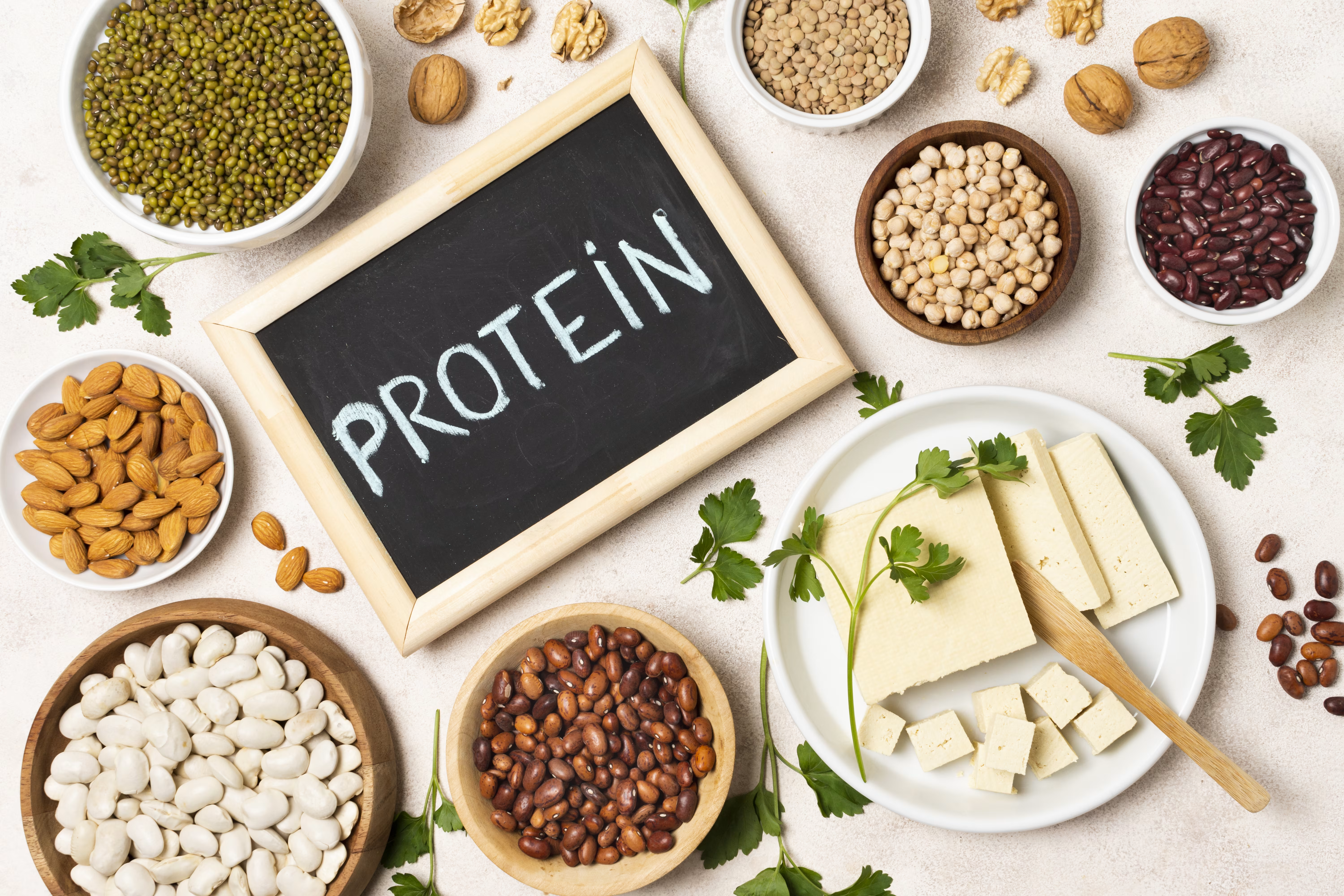
Consumer interest in plant-based proteins has increased significantly in recent years, driven by perceived health benefits, environmental concerns, and ethical considerations.
Many individuals are shifting toward plant-based dietary patterns with the expectation that these choices may improve overall health while supporting sustainability. [1][3] Plant proteins, derived from sources such as legumes, grains, nuts, and seeds, offer a wide range of nutrients and may contribute to disease prevention.
However, their nutritional quality differs from that of animal proteins in certain aspects, particularly in essential amino acid composition. As a result, understanding both the potential advantages and limitations of plant-based proteins is important for evaluating their role in human nutrition.[4]
Nutritional Quality and Amino Acid Profile
Plant proteins may be lower in certain essential amino acids compared to animal proteins. For example:
- Legumes may lack sufficient methionine and cysteine
- Grains may be low in lysine
However, these limitations may be addressed by:
- Consuming a variety of plant protein sources
- Combining foods like grains and legumes over the day
- Using protein isolates or consuming larger quantities [1][5]
A balanced intake may help meet amino acid requirements without needing precise meal combinations.
Functional and Physiological Roles
Plant proteins may provide important non-essential and conditionally essential amino acids such as:
- Arginine (supports immune and metabolic functions)
- Glutamine (supports gut and immune health)
- Glycine (contributes to collagen synthesis)
These components suggest that plant proteins may offer benefits beyond basic protein needs. [1]
Potential Health Benefits of Plant-Based Protein
Research suggests several possible health associations:
- Cardiovascular Health:
Higher intake of plant protein may be linked to lower cholesterol levels and reduced risk of heart disease. [1] A long-term study observed lower risks of cardiovascular and coronary artery disease with higher plant protein intake. [2] - Weight and Metabolic Health:
Plant protein intake may be associated with lower body fat and improved weight management. Some evidence also suggests reduced risk of type 2 diabetes, although findings are mixed. [1][3] - Kidney Health:
Plant proteins may reduce strain on the kidneys and support better renal outcomes. [1] - Mortality:
Higher plant protein consumption may be associated with lower overall mortality, particularly from cardiovascular causes. [1] - Muscle Health:
Plant proteins may support muscle growth and strength when consumed in adequate amounts, though larger quantities may be required compared to animal proteins. [1][5] - Cancer:
Evidence remains limited and inconclusive, although some findings suggest potential benefits when replacing high meat intake with plant-based sources. [1]
- Cardiovascular Health:
Environmental and Lifestyle Considerations
Plant-based proteins may offer environmental advantages:
- Lower greenhouse gas emissions
- Reduced water usage compared to animal protein
Dietary shifts toward plant proteins may therefore contribute to sustainability goals. [1][3] Additionally, incorporating plant proteins into meals may be achieved through gradual dietary changes, such as reducing meat portions and increasing legumes, vegetables, and whole grains. [4]
Limitations and Health Concerns
Despite potential benefits, some limitations may be noted:
- Incomplete Protein Profile:
Many plant proteins may not contain all essential amino acids individually. [1][5] - Lower Bioavailability:
Antinutrients such as phytates and lectins may reduce nutrient absorption, though processing methods (soaking, cooking, fermentation) may help minimize these effects. [1][5] - Micronutrient Deficiencies:
Diets high in plant proteins may risk lower intake of vitamin B12, iron, zinc, and vitamin D if not carefully planned. [3][5] - Digestive Issues:
High fiber content may cause bloating or discomfort in some individuals. [5] - Soy and Hormonal Concerns:
Although soy contains isoflavones, current evidence suggests typical intake may not adversely affect hormones or thyroid function and may even provide protective effects in certain conditions. [1] - Allergies:
Some plant proteins, including soy, nuts, and newer sources like pea protein, may trigger allergic reactions in susceptible individuals. [1][3] - Processed Plant Foods:
Highly processed plant-based products may contain high levels of sodium or fat and may not provide the same benefits as whole foods. [3]
- Incomplete Protein Profile:
The Bottom Line
Plant-based proteins may offer a range of health and environmental benefits, including potential improvements in cardiovascular health, weight management, and overall longevity.
However, they may also present certain nutritional challenges, particularly related to amino acid composition, nutrient absorption, and micronutrient intake.
A varied and balanced diet that includes multiple plant protein sources may help address these limitations. While plant proteins may serve as a valuable component of modern dietary patterns, their optimal use likely depends on thoughtful planning and consideration of individual nutritional needs.
References
[1] National Library of Medicine: Plant Proteins: Assessing Their Nutritional Quality and Effects on Health and Physical Function
[2]Harvard health Publishing: More evidence that plant-based diets might ward off heart problems
[3]Healthline: Plant-based Protein: The Best, the Worst, and Everything In Between
[4]Mayo Clinic Health System: Tips for eating more plant-based proteins
[5] Nutri: What Are the Disadvantages of Plant Protein?