Understanding the role of science-backed foods for depression can be a powerful step in managing your mental health through diet.
How Diet May Affect Depression and Mental Health
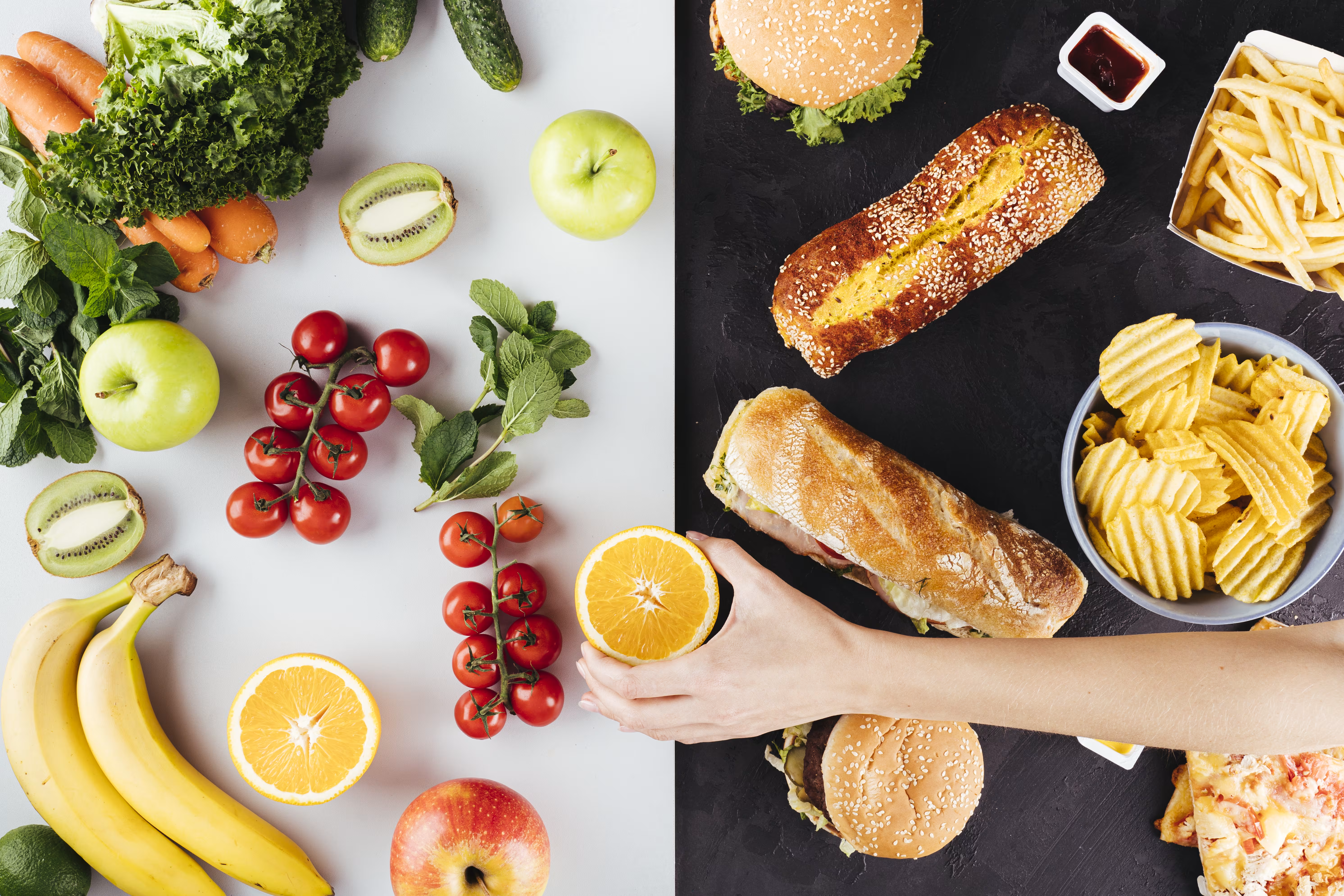
While there is no single diet to cure depression, research consistently shows that what you eat significantly influences your mood and overall mental well-being. Your dietary habits determine the nutrients your body receives, and deficiencies or imbalances can contribute to depressive symptoms. A pivotal 2017 study[1] found that shifting to a diet rich in fresh, whole foods and limiting processed items led to significant improvement, with over 32% of participants achieving remission from their depressive symptoms.
Why Nutrition Matters for Mood and Brain Health
The food you consume provides the building blocks for neurotransmitters, reduces inflammation, and protects your brain from oxidative stress. An unhealthy diet high in processed foods can exacerbate these biological factors, while a nutrient-dense diet supports them. This makes focusing on specific foods for depression a critical part of a holistic management plan.
9 Nutrients and Foods That May Support Mental Health
Incorporating these specific nutrients and their food sources can help support mood regulation and brain health.
1. Selenium for Mood and Anxiety
Some research[2] suggests that adequate selenium intake may help improve mood and reduce anxiety, making depression more manageable. Excellent sources include:
- Whole grains
- Brazil nuts
- Seafood
- Organ meats like liver
Supplements are available, but always consult your doctor first.
2. Vitamin D and Its Potential Role in Depression
A 2019 meta-analysis[3] indicated that vitamin D may help improve symptoms of depression. Get it from:
- Oily fish (salmon, mackerel)
- Fortified dairy products
- Beef liver
- Eggs
Sun exposure is a primary source, but dietary intake and supplements are also options.
3. Omega-3 Fatty Acids for Brain Function
Omega-3s may help with depressive disorders by enhancing brain function and protecting nerve cells, though a 2015 review[4] noted mixed evidence. Good sources include:
- Cold-water fish (tuna, sardines)
- Flaxseed, flaxseed oil, and chia seeds
- Walnuts
4. Antioxidants (Vitamins A, C, E) to Combat Oxidative Stress
Antioxidants help remove free radicals, and oxidative stress is linked to anxiety and depression. A 2012 study[5] found lower antioxidant levels in people with depression. Focus on:
- Berries and other fresh fruits
- Vegetables
- Soy and other plant products
5. B Vitamins for Nervous System and Brain Health
These vitamins help protect and maintain the nervous system[2]. Sources of vitamin B-12 include:
- Eggs, meat, poultry, fish
- Oysters, milk, some fortified cereals
Foods rich in folate (B-9) include:
- Dark leafy vegetables, fruits, nuts
- Beans, whole grains, dairy products
- Meat, poultry, seafood, eggs
6. Zinc for Brain, Immune, and Mood Support
Zinc boosts the immune system and may help antidepressants work more effectively[2]. Find it in:
- Whole grains, oysters
- Beef, chicken, pork, beans
- Nuts and pumpkin seeds
7. Protein and Tryptophan for Serotonin Production
The body uses tryptophan from protein to create serotonin, the “feel-good” hormone that plays a role in depression[6]. Good sources are:
8. Probiotic Foods for Gut and Mental Health
A healthy gut microbiota may reduce depression risk and symptoms. A 2016 meta-analysis[7] suggests beneficial bacteria like Lactobacillus and Bifidobacterium can help. Include:
9. The Role of Weight Management and the DASH Diet
Obesity raises the risk of depression[8], potentially due to social and physical factors. The DASH diet, known for lowering blood pressure, may also help with weight loss and reduce depression risk[9].
Foods and Drinks to Limit When Managing Depression
Just as some foods can help, others can worsen symptoms. Here are key categories to limit or avoid.
1. Alcohol and Depression: Why Limiting It Matters
There is a clear link between alcohol use and depression[10]. It can aggravate or trigger episodes, and even moderate consumption (no more than one drink per day) may increase cancer risk[11], leading to further health issues and depression.
2. Highly Processed and Refined Foods
Studies[12] link processed foods, high in calories and low in nutrients, to a higher risk of depression. Refined carbs cause energy spikes and crashes, worsening mood instability.
3. Processed Oils and Unhealthy Fats
Refined and saturated fats can trigger inflammation[13] and impair brain function. Avoid:
- Trans fats in processed foods
- Fats in red and processed meats
- Safflower and corn oil (high in omega-6)
4. Caffeine and Depression: How Much Is Too Much?
Some evidence[14] suggests caffeine’s stimulant and antioxidant effects may benefit depression, but it can also cause anxiety and sleep problems. Sources include coffee, tea, chocolate, sodas, and energy drinks. Best practices:
- Consume in moderation
- Avoid high-caffeine products like energy drinks
- Avoid caffeine after midday
Safety Considerations Before Changing Your Diet
Before making dietary changes or starting supplements, consider these safety points. Always consult your doctor, as supplements can interact with medications. The foods and nutrients discussed are generally safe when consumed as part of a balanced diet, but individual reactions can vary. Be mindful of potential allergies or intolerances to specific foods like seafood or nuts.
How to Include These Foods in Your Diet
Focus on whole-food sources rather than supplements whenever possible. There are no strict dosages for foods, but aim for a varied diet that includes the recommended food groups daily. For specific nutrients:
- Selenium: Include Brazil nuts or seafood a few times a week.
- Vitamin D: Consider fortified foods or supplements if sun exposure is limited, after consulting a doctor.
- Omega-3s: Aim for two servings of fatty fish per week.
- Antioxidants: Fill half your plate with fruits and vegetables at each meal.
- B Vitamins and Zinc: Incorporate lean meats, legumes, and whole grains regularly.
- Probiotics: Have a serving of yogurt or kefir daily.
Remember, these are dietary supports, not replacements for professional treatment.
The Bottom Line
Your diet plays a significant role in managing depression. Emphasizing science-backed foods for depression, like those rich in selenium, vitamin D, omega-3s, antioxidants, B vitamins, zinc, tryptophan, and probiotics, while avoiding alcohol, refined foods, processed oils, and excessive caffeine can help improve symptoms. Combine this with other healthy habits: at least 150 minutes of exercise per week[15], spending time outdoors, avoiding substances, and getting 7–8 hours of sleep nightly. Always work with a healthcare provider to develop a comprehensive plan tailored to you.


Pingback: How Much Sleep Do Adults Need for Better Health? - SuppFactsDaily