
What you put on your plate matters—discover how fruits and vegetables can support your health from the inside out.
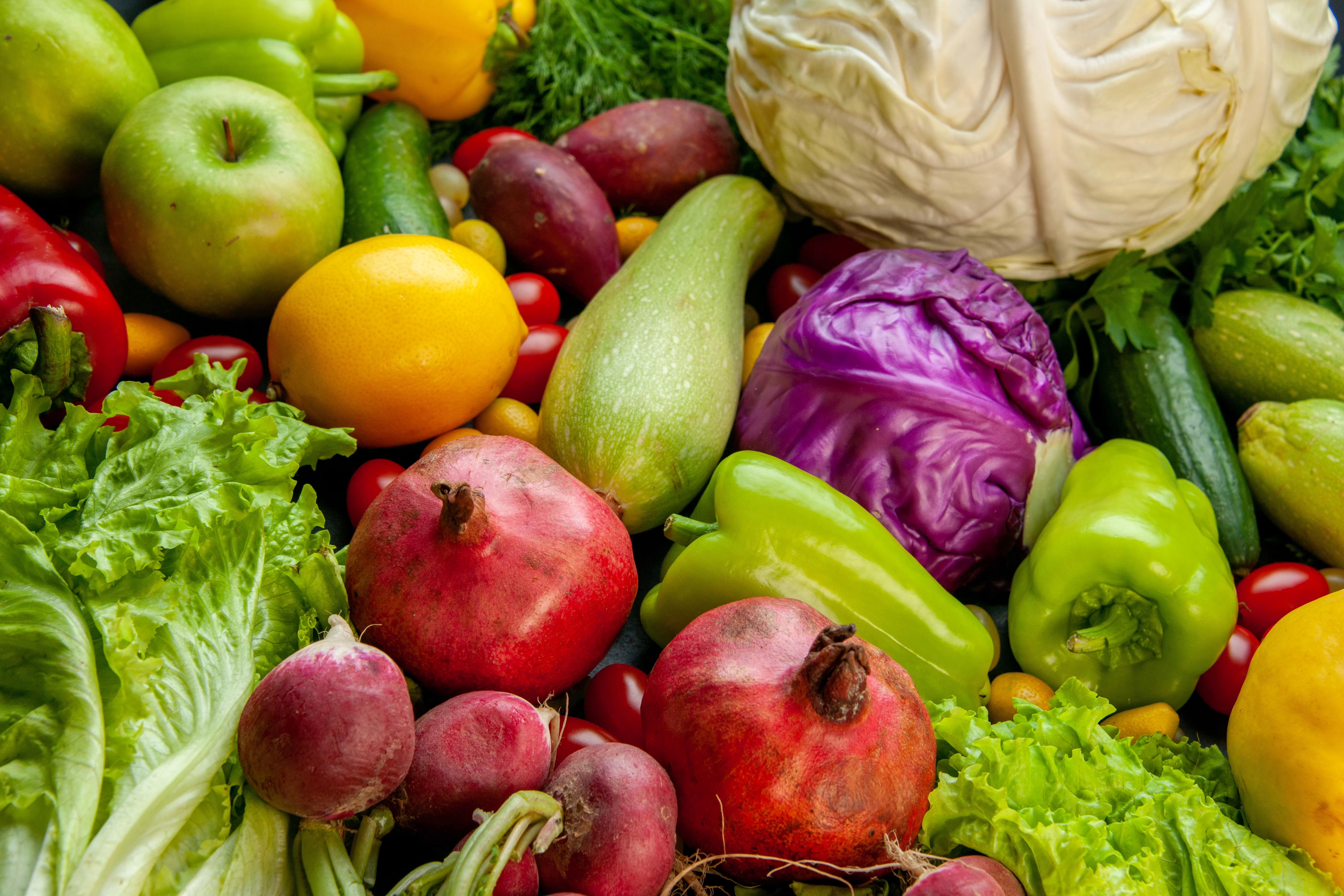
The health benefits of fruits and vegetables are extensive and well-documented, forming the cornerstone of a nutritious diet. A diet rich in vegetables and fruits can lower blood pressure, reduce the risk of heart disease and stroke, prevent some types of cancer, lower risk of eye and digestive problems, and help regulate blood sugar and appetite.
Eating non-starchy vegetables and fruits like apples, pears, and green leafy vegetables may even promote weight loss[1]. Their low glycemic loads prevent blood sugar spikes that can increase hunger.
The Essential Role of Fruits and Vegetables
Vegetables and fruits are an important part of a healthy diet, and variety is as important as quantity. No single fruit or vegetable provides all of the nutrients you need to be healthy, so eating plenty every day is key.
At least nine different families of fruits and vegetables exist, each with potentially hundreds of different plant compounds that are beneficial to health. Eating a variety of types and colors of produce gives your body the mix of nutrients it needs, ensuring greater diversity of beneficial plant chemicals and creating eye-appealing meals.
Why Fruits and Vegetables Matter for Your Health
Incorporating more fruits and vegetables into your daily routine isn’t just about adding volume, it’s about enhancing your overall health profile. The compounds found in produce work synergistically to combat chronic diseases, support bodily functions, and improve quality of life. Understanding the specific health benefits of fruits and vegetables can motivate you to make sustainable dietary changes.
7 Key Health Benefits of Fruits and Vegetables
1. Cardiovascular Disease Protection
Compelling evidence shows that a diet rich in fruits and vegetables can lower the risk of heart disease and stroke.
- A meta-analysis of cohort studies following 469,551 participants found that a higher intake of fruits and vegetables is associated with a reduced risk of death from cardiovascular disease, with an average reduction in risk of 4% for each additional serving per day[2].
- The largest and longest study to date, part of the Harvard-based Nurses’ Health Study and Health Professionals Follow-up Study, included almost 110,000 men and women followed for 14 years. Compared with those in the lowest category of fruit and vegetable intake (less than 1.5 servings a day), those who averaged 8 or more servings a day were 30% less likely to have had a heart attack or stroke[3].
- Green leafy vegetables (e.g., lettuce, spinach, Swiss chard, mustard greens), cruciferous vegetables (e.g., broccoli, cauliflower, cabbage, Brussels sprouts, bok choy, kale), and citrus fruits (e.g., oranges, lemons, limes, grapefruit) were most strongly associated with decreased risk[3].
- Combining findings from multiple long-term studies, individuals who ate more than 5 servings of fruits and vegetables per day had roughly a 20% lower risk of coronary heart disease[4] and stroke[5] compared with those eating less than 3 servings per day.
2. Blood Pressure Regulation
- The Dietary Approaches to Stop Hypertension (DASH) study[6] showed that a diet rich in fruits, vegetables, and low-fat dairy reduced systolic blood pressure by about 11 mm Hg and diastolic blood pressure by almost 6 mm Hg in people with high blood pressure.
- The Optimal Macronutrient Intake Trial for Heart Health (OmniHeart) found that replacing some carbohydrates with healthy unsaturated fat or protein in a fruit and vegetable-rich diet lowered blood pressure even more[7].
- A 2014 meta-analysis concluded that consumption of a vegetarian diet was associated with lower blood pressure[8].
3. Cancer Prevention Potential
While cohort studies haven’t consistently shown that a diet rich in fruits and vegetables prevents cancer overall, some types may protect against certain cancers.
- Over 14 years in the Nurses’ Health Study and Health Professionals Follow-up Study, men and women with the highest intake of fruits and vegetables (8+ servings a day) were just as likely to develop cancer as those with the lowest intake (under 1.5 servings)[3].
- A meta-analysis found no decrease in risk of deaths from cancer with higher fruit and vegetable intake[2].
- A study of 90,476 premenopausal women found that those who ate the most fruit during adolescence (about 3 servings a day) had a 25% lower risk of breast cancer compared with those eating the lowest intakes (0.5 servings a day). Specific fruits like apples, bananas, grapes, corn, oranges, and kale were associated with protection[9].
- Higher fiber intakes from fruits and vegetables during adolescence and early adulthood were linked to a 12% reduced risk of breast cancer from fruit fiber and an 11% reduced risk from vegetable fiber[10].
- Women eating more than 5.5 servings of fruits and vegetables daily had an 11% lower risk of breast cancer, with vegetable intake strongly associated with a 15% lower risk of estrogen-receptor-negative tumors for every two additional servings[11].
- Non-starchy vegetables and fruits probably protect against cancers of the mouth, throat, voice box, esophagus, stomach, and lung[12].
- Tomatoes and lycopene may help protect men against prostate cancer, especially aggressive forms[13], though evidence is mixed[14].
- Carotenoids in brightly colored fruits and vegetables may protect against lung, mouth, and throat cancer[12].
4. Diabetes Risk Reduction
- Greater consumption of whole fruits, especially blueberries, grapes, and apples, was associated with a lower risk of type 2 diabetes, while fruit juice was linked to a higher risk[15].
- A study of over 70,000 women showed that green leafy vegetables and fruit were associated with a lower risk of diabetes, with fruit juices potentially increasing risk[16].
- In Finnish men, vegetables and fruits, especially berries, reduced the risk of type 2 diabetes[17].
5. Weight Management Support
Data from cohort studies show that increasing fruit and vegetable intake over 24 years was associated with weight loss.
- Berries, apples, pears, soy, and cauliflower were linked to weight loss, while starchier vegetables like potatoes, corn, and peas were associated with weight gain[1]. However, weight loss occurs only if produce replaces other foods like refined carbohydrates.
6. Gastrointestinal Health Improvement
Fruits and vegetables contain indigestible fiber that absorbs water and expands in the digestive system.
- This can calm symptoms of irritable bowel syndrome, relieve or prevent constipation[18], and decrease pressure inside the intestinal tract to help prevent diverticulosis[19].
7. Vision Protection
Eating fruits and vegetables helps maintain eye health and may prevent age-related diseases like cataracts and macular degeneration.
- Lutein and zeaxanthin, found in produce, seem to reduce the risk of cataracts[24].
- Studies support that fruit and vegetable intake is associated with reduced prevalence of cataracts and macular degeneration[20][21][22][23].
Practical Tips to Eat More Fruits and Vegetables
- Keep fruit where you can see it: Place washed whole fruits in a bowl or store chopped colorful fruits in the refrigerator.
- Explore the produce aisle and choose something new: Aim for variety, including dark green leafy vegetables; yellow or orange fruits and vegetables; red fruits and vegetables; legumes and peas; and citrus fruits.
- Skip the potatoes: Opt for other vegetables with different nutrients and more slowly digested carbohydrates.
- Make it a meal: Try recipes like salads, soups, and stir-fries to incorporate more vegetables.
Are Fruits and Vegetables Safe?
Fruits and vegetables are generally safe for most people when consumed as part of a balanced diet. There are no major side effects or contraindications associated with eating them in recommended amounts. However, it’s advisable to wash produce thoroughly to remove potential pesticides or contaminants, and individuals with specific food allergies or sensitivities should avoid trigger foods. Always consult a healthcare provider if you have concerns about dietary changes.
How Many Fruits and Vegetables Should You Eat?
To reap the health benefits of fruits and vegetables, aim for a variety of types and colors daily. While specific servings can vary, research suggests:
- For cardiovascular protection: 8 or more servings per day may reduce heart attack or stroke risk by 30%, and more than 5 servings per day lowers coronary heart disease and stroke risk by roughly 20%.
- For blood pressure: Incorporate fruits and vegetables into a DASH-style diet, with potential adjustments like replacing some carbohydrates with healthy fats or protein.
- For cancer prevention: Focus on non-starchy vegetables, cruciferous vegetables, and fruits like apples, berries, and citrus, with studies showing benefits from 3 to 5.5 servings daily.
- For weight management: Increase intake of non-starchy vegetables and fruits like berries, apples, and pears, while moderating starchy vegetables.
- General guidance: Eat at least 1.5 to 8 servings daily, with variety across color groups. Replace less healthy foods with produce to maximize benefits.
The Bottom Line
Incorporating a diverse array of fruits and vegetables into your diet is one of the most effective strategies for improving overall health. From reducing chronic disease risk to supporting digestion and vision, the evidence is clear: eating more produce is a powerful step toward wellness. Start by adding one extra serving today and explore new varieties to keep meals exciting and nutritious.
Frequently Asked Questions
What are the main health benefits of fruits and vegetables?
Fruits and vegetables provide fiber, vitamins, minerals, antioxidants, and other plant compounds that support overall health. Regular intake is associated with better cardiovascular health, digestion, blood pressure regulation, eye health, and healthy weight management.
How many fruits and vegetables should I eat each day?
There is no single amount that works for everyone. A practical goal is to include fruits and vegetables throughout the day and choose a wide variety of colors and types. Individual needs can vary based on age, activity level, health status, and dietary pattern.
Are fruits healthier than vegetables?
Neither is universally healthier. Fruits and vegetables provide different combinations of nutrients and beneficial plant compounds. Eating both regularly and choosing a variety of types is the best approach.
Which fruits and vegetables are best for digestion?
Many fruits and vegetables provide dietary fiber that supports regular bowel movements and overall digestive health. Apples, pears, berries, leafy greens, broccoli, and other fiber-rich produce can be useful choices.
Is fruit juice as healthy as whole fruit?
Not necessarily. Whole fruit provides fiber and generally takes longer to consume, while juice can deliver a concentrated amount of naturally occurring sugar with much less fiber. When possible, whole fruit is the better everyday choice.
Explore More On This Topic



Why Trust SuppFactsDaily
Confused by supplements, nutrition advice, and endless health trends? SuppFactsDaily cuts through the noise with clear, science-backed insights on supplements, health, wellness, and nutrition you can actually trust. Every article is built using credible sources like NIH, Cleveland Clinic, and leading medical institutions.
No hype. No guesswork. Just practical guidance to help you make smarter health decisions with confidence.
References
[3] Fruit and vegetable intake and risk of major chronic disease
[5] Fruit and vegetable consumption and stroke: meta-analysis of cohort studies
[6] A clinical trial of the effects of dietary patterns on blood pressure
[8] Vegetarian diets and blood pressure: a meta-analysis
[10] Dietary fiber intake in young adults and breast cancer risk
[12] The Second World Cancer Research Fund/American Institute for Cancer Research Expert Report
[16] Intake of fruit, vegetables, and fruit juices and risk of diabetes in women
[17] Intake of fruit, berries, and vegetables and risk of type 2 diabetes in Finnish men
[18] Chronic constipation
[19] A prospective study of dietary fiber types and symptomatic diverticular disease in men
[20] A prospective study of carotenoid intake and risk of cataract extraction in US men
[21] Fruit and vegetable intake and the risk of cataract in women
[24] Dietary carotenoids, vitamins C and E, and risk of cataract in women: a prospective study
Pingback: Muscle Recovery Tips You Need After Every Workout - SuppFactsDaily