
From juicy berries to creamy avocados, fruits make it easy to add essential nutrients and vibrant flavors to your everyday diet.
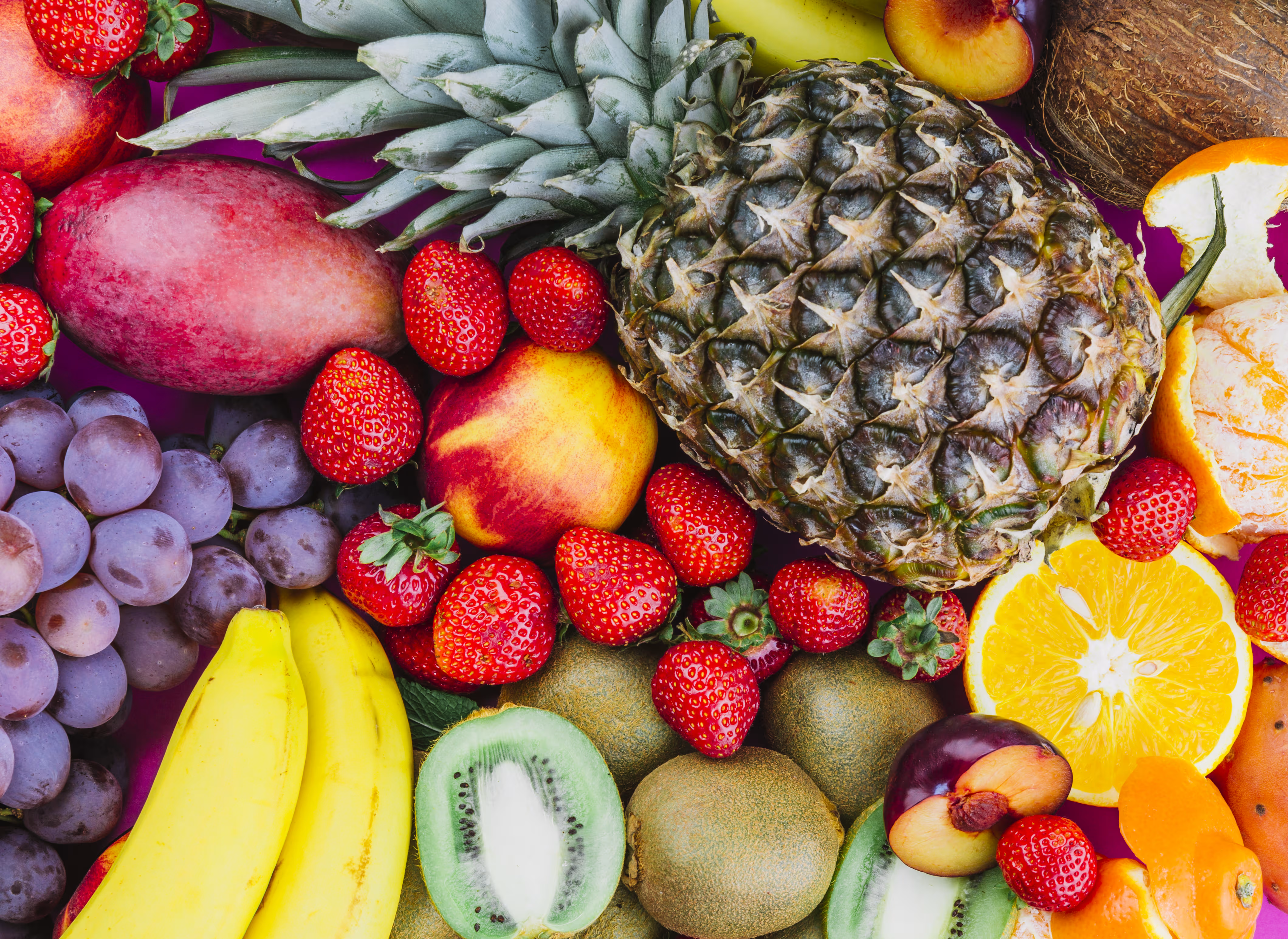
There’s more to choosing fruit than picking whatever looks good in the produce aisle. Different varieties provide different nutrients and plant compounds, making variety an important part of getting the most from your daily fruit intake.
What Are the Healthiest Fruits?
Fruits are among the simplest foods to include in a balanced diet, yet their nutritional profiles can be surprisingly different. Some are particularly rich in vitamin C, others provide more fiber, potassium, healthy fats, or naturally occurring plant compounds. Their color, flavor, texture, and nutrient composition can all vary, which means that choosing different fruits can bring something different to your plate.
Rather than looking for one fruit that stands above the rest, it is more useful to consider the nutritional qualities of individual varieties and how they fit into your overall eating pattern. In the sections below, we take a closer look at 12 fruits and what makes each one nutritionally noteworthy, so you can better understand your options and make choices that suit your everyday diet.
Why Should You Eat a Variety of Fruits?
Eating a diverse selection of fruits can do more than add color and flavor to your meals. Different fruits contain different combinations of vitamins, minerals, fiber, and naturally occurring plant compounds, allowing a varied diet to provide a broader range of nutritional benefits. Research has linked higher fruit intake with several aspects of long-term health, including heart health and a lower risk of some chronic diseases.[1] Many fruits also contain antioxidant compounds such as flavonoids and anthocyanins, which help protect cells from oxidative stress. Choosing fruits across different colors and types can therefore be a practical way to diversify the nutrients and protective compounds you get from your diet.
12 Healthiest Fruits to Add to Your Diet
1. Lemons: Citrus Powerhouses
Lemons are rich in vitamin C and phytochemicals. In 48 grams of lemon juice[2], you get:
- 10.6 calories
- 3.31 g carbohydrate
- 49.4 mg potassium
- 18.6 mg vitamin C
- 2.88 mg calcium
- 0.1 g fiber
They also contain thiamin, riboflavin, niacin, vitamin B6, folate, and vitamin A.
2. Strawberries: Heart-Healthy Berries
Strawberries are high in water and anthocyanins, flavonoids that boost heart health[3]. One cup (150 g) provides[4]:
- 48 calories
- 11.5 g carbohydrate
- 3 g fiber
- 24 mg calcium
- 19.5 mg magnesium
- 230 mg potassium
- 88.2 mg vitamin C
Plus thiamin, riboflavin, niacin, folate, and vitamins B6, A, and K.
3. Oranges: Vitamin C Champions
Oranges are packed with vitamin C, providing 78% of the Daily Value in one medium fruit[5]. A 140 g orange contains[6]:
- Around 65 calories
- 16.5 g carbohydrate
- 2.8 g fiber
- 60.2 mg calcium
- 15 mg magnesium
- 232 mg potassium
- 82.7 mg vitamin C
Vitamin C enhances immune function and iron absorption. Oranges also have B vitamins like thiamin and folate.
4. Limes: Tangy Citrus Boost
Limes offer a healthful dose of vitamin C. Juice from one lime provides[7]:
- 11 calories
- 3.7 g carbohydrate
- 6.16 mg calcium
- 3.52 mg magnesium
- 51.5 mg potassium
- 13.2 mg vitamin C
5. Grapefruit: Sour with Benefits
Grapefruits contain furanocoumarins, compounds that may protect against oxidative stress and support bone health[8]. Half a grapefruit (154 g) has[9]:
- 64.7 calories
- 16.4 g carbohydrate
- 2.46 g fiber
- 33.9 mg calcium
- 13.9 mg magnesium
- 208 mg potassium
- 48 mg vitamin C
Note: Grapefruit can interact with certain medications; consult a doctor before adding it to your diet.
6. Blackberries: Fiber-Rich Berries
Blackberries contain anthocyanins[10] and high fiber from seeds, aiding gut and heart health. Half a cup (75 g) offers[11]:
- 32.2 calories
- 7.21 g carbohydrate
- 3.98 g fiber
- 21.8 mg calcium
- 15 mg magnesium
- 122 mg potassium
- 15.8 mg vitamin C
7. Apples: Easy and Nutritious
Eat apples with the skin for maximum benefits[12]. Their high fiber and quercetin (a flavonoid with potential anti-cancer properties) support heart health and weight management. One medium apple (182 g) with skin contains[13]:
- 94.6 calories
- 25.1 g carbohydrate
- 4.37 g fiber
- 195 mg potassium
- 10.9 mg calcium
- 8.37 mg vitamin C
8. Pomegranates: Antioxidant Superfoods
Pomegranates are rich in antioxidants and polyphenols. A 2020 review[14] suggests they may protect against obesity, diabetes, heart conditions, and some cancers. One raw pomegranate (282 g) has[15]:
- 234 calories
- 52.7 g carbohydrate
- 11.3 g fiber
- 666 mg potassium
- 28.2 mg calcium
- 28.8 mg vitamin C
- 46.2 mcg vitamin K (essential for bones and blood cells)
9. Pineapple: Tropical Enzyme Source
Pineapple contains bromelain, an enzyme with potential health benefits[16]. The National Center for Complementary and Integrative Health[17] notes it may help with sinusitis, though more research is needed. A slice (166 g) provides[18]:
- 83 calories
- 21.7 g carbohydrate
- 2.32 g fiber
- 181 mg potassium
- 79.3 mg vitamin C
- 21.6 mg calcium
- 1.54 mg manganese
10. Bananas: Potassium Powerhouses
Bananas are known for high potassium, which helps control blood pressure[19]. One banana (126 g) contains[20]:
- 112 calories
- 28.8 g carbohydrate
- 3.28 g fiber
- 1.37 g protein
- 6.3 mg calcium
- 34 mg magnesium
- 11 mg vitamin C
11. Avocados: Healthy Fat Heroes
Avocados are rich in monounsaturated fats, which can lower cholesterol, according to the American Heart Association[21]. They also contain lutein, important for eye health[22]. One avocado (201 g) has[23]:
- 322 calories
- 4.02 g protein
- 17.1 g carbohydrate
- 13.5 g fiber
- 24.1 mg calcium
- 58.3 mg magnesium
- 975 mg potassium
- 20.1 mg vitamin C
- Plus folate, vitamin A, and beta carotene
12. Blueberries: Antioxidant-Rich Gems
Blueberries contain anthocyanin, a powerful antioxidant that may protect against heart disease, stroke, and cancers[24]. Half a cup (75 g) provides[25]:
- 42.8 calories
- 10.9 g carbohydrate
- 1.8 g fiber
- 4.5 mg calcium
- 57.8 mg potassium
- 7.28 mg vitamin C
Are There Any Side Effects or Safety Considerations?
Most fruits are safe, but grapefruit can interact with certain medications, so consult a healthcare provider if you’re on prescription drugs. Generally, fruits are well-tolerated, but overconsumption may lead to digestive issues due to high fiber. Always wash fruits thoroughly to remove pesticides.
How to Add More Healthy Fruits to Your Diet
Aim for at least 2-3 servings of fruits daily, with one serving being about one cup of fresh fruit or half a cup of dried fruit. Incorporate a variety to get a spectrum of antioxidants. For example, eat apples with skin, include berries for high antioxidants, and use citrus fruits for vitamin C. Berries, in particular, have nearly 10 times the antioxidants of other fruits and vegetables[26], so include them regularly.
The Bottom Line
The healthiest fruits, like lemons, strawberries, oranges, limes, grapefruit, blackberries, apples, pomegranate, pineapple, bananas, avocado, and blueberries, offer diverse nutrients and benefits. By eating a rainbow-colored selection[27], you ensure a full range of antioxidants for optimal health, supporting heart health, digestion, weight management, and reducing disease risk.
Frequently Asked Questions
How many servings of fruit should you eat per day?
For many adults, around 2 cups of fruit per day is a useful general target, although individual needs can vary based on age, sex, activity level, and overall diet.
Which fruits are highest in antioxidants?
Berries such as blueberries, strawberries, and blackberries are notable sources of antioxidant compounds, including anthocyanins and other flavonoids. Pomegranates are also rich in polyphenols.
Is it better to eat whole fruit or drink fruit juice?
Whole fruit is generally the better everyday choice because it provides fiber and requires more chewing, while juice can contain less fiber and make it easier to consume larger amounts of naturally occurring sugar quickly.
Can you eat fruit every day?
Yes. Fruit can be part of a healthy diet every day. Eating different types and colors helps provide a broader range of vitamins, minerals, fiber, and plant compounds.
What is the best fruit for overall health?
There isn’t one fruit that is universally the “best.” Different fruits provide different nutrients and plant compounds, so eating a varied selection is more beneficial than focusing on a single fruit.
You May Also Like


Why Trust SuppFactsDaily
Confused by supplements, nutrition advice, and endless health trends? SuppFactsDaily cuts through the noise with clear, science-backed insights on supplements, health, wellness, and nutrition you can actually trust. Every article is built using credible sources like NIH, Cleveland Clinic, and leading medical institutions.
No hype. No guesswork. Just practical guidance to help you make smarter health decisions with confidence.
Image Credits
References
[1] Antioxidants and health benefits
[3] Strawberries and heart health
[6] Orange nutrients
[7] Lime nutrients
[8] Grapefruit furanocoumarins review
[11] Blackberry nutrients
[12] Apples with skin benefits
[13] Apple nutrients
[16] Pineapple bromelain
[17] NCCIH on bromelain
[18] Pineapple nutrients
[19] Potassium and blood pressure
[20] Banana nutrients
[21] AHA on monounsaturated fats
[22] Lutein in avocados
[23] Avocado nutrients
[25] Blueberry nutrients