Gut health is being redefined, and postbiotics are at the heart of it. Could they be the upgrade your body needs?
The conversation around gut health is evolving, moving beyond probiotics and prebiotics to include a newer concept—postbiotics. While the term may sound complex, the idea behind it is simple and could play an important role in supporting overall health and well-being.
What Are Postbiotics?
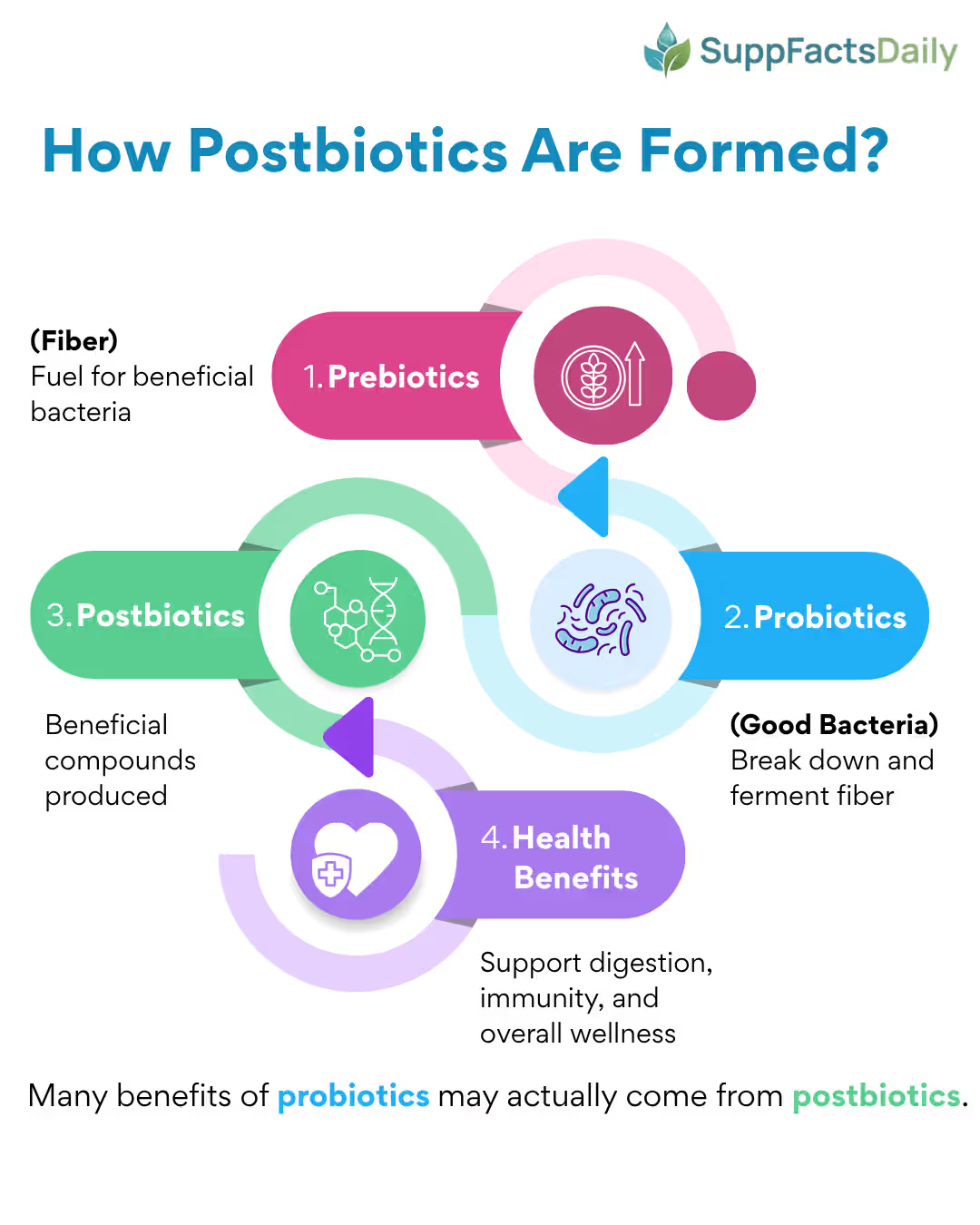
Postbiotics are beneficial substances produced by good bacteria in your gut after they digest fiber (also known as prebiotics).
To understand this better:
- Probiotics are the “good” bacteria
- Prebiotics are the food that feeds these bacteria (mostly fiber)
- Postbiotics are the useful compounds created after this process
Interestingly, many of the health benefits often linked to probiotics may actually come from these postbiotic compounds. [2][3]
Unlike probiotics, postbiotics are non-living, which means they do not contain active bacteria but still offer health benefits. [1][4]
Why Are Postbiotics Gaining Attention?
Postbiotics are attracting growing interest because they may offer several practical advantages:
- They are generally safer, as they do not contain live microorganisms
- They have a longer shelf life and are easier to store
- They may carry a lower risk of side effects, especially for vulnerable individuals
Because of these features, postbiotics could serve as a more stable and convenient alternative to probiotics in certain situations. [1][4]
How Do Postbiotics Work in the Body?
Although research is still evolving, postbiotics appear to support health in several ways:
- Supporting good bacteria and maintaining balance in the gut
- Reducing harmful bacteria through natural antimicrobial effects
- Lowering inflammation, which is linked to many chronic conditions
- Boosting immunity, helping the body respond to infections
- Strengthening the gut lining, which acts as a protective barrier [2][4]
They may also act as antioxidants, meaning they help neutralize harmful molecules (called free radicals) that can damage cells. [1]
Health Benefits of Postbiotics
Emerging research and clinical studies suggest that postbiotics may have wide-ranging applications:
1. Supporting Digestive and Oral Health
Postbiotics may help improve gut health and reduce symptoms of conditions like irritable bowel syndrome (IBS), diarrhea, and bloating.
They may also support oral health by helping manage bad breath and gum-related issues. [1]
2. Enhancing Skin Health and Physical Performance
They could potentially improve skin hydration and elasticity, support wound healing, and even enhance physical performance and recovery. [1]
3. Infant Health and Early Development
Some studies suggest postbiotics may be safe for infants, supporting digestion, reducing colic, and promoting healthy growth; sometimes showing outcomes comparable to breastfed infants. [1]
4. Metabolic and Heart Health Support
Postbiotics may play a role in managing blood sugar levels, improving cholesterol markers, and possibly reducing the risk of type 2 diabetes.[1]
Emerging Health Benefits of Postbiotics
What Are the Possible Downsides of Postbiotics?
Postbiotics are generally considered safe and well-tolerated.
However, a few considerations remain:
- Supplements are still relatively new and not widely available [2]
- Certain individuals, such as those with weakened immunity or recent surgeries, may need to exercise caution [2]
- Some studies lack consistency, making results harder to interpret [1]
Additionally, for individuals who already maintain a balanced diet rich in fiber, the body may naturally produce sufficient postbiotics, limiting the need for supplementation. [1]
How to Support Postbiotic Production Naturally
Rather than relying only on supplements, postbiotics may be increased naturally through diet by supporting the gut bacteria that produce them:
- Fiber-rich foods (prebiotics): oats, garlic, onions, whole grains
- Fermented foods (probiotics): yogurt, kefir, kimchi
This approach not only boosts postbiotic production but also supports overall gut health. [2]
Current Challenges and Future Directions
Despite growing enthusiasm, several challenges remain:
- Many studies combine postbiotics with other ingredients, making results less clear.
- Research on new types of postbiotics is still limited.
- Standardization and quality control need improvement.
- The exact mechanisms of how they work are not fully understood.
Future research, supported by better technology and stricter study designs, may help clarify their role and expand their applications. [1][4]
The Bottom Line
Postbiotics represent a promising and evolving area in health science. They may offer many of the benefits associated with probiotics, with added advantages of stability and safety.
From gut health to immunity and beyond, their potential applications are broad and still unfolding. However, it is important to view them as a supportive tool rather than a standalone solution. A balanced diet and healthy lifestyle may remain the foundation of well-being, with postbiotics possibly playing a complementary role.
As research continues to grow, postbiotics could gradually reshape how we approach nutrition, preventive care, and overall health.
References
[1] National Library of Medicines: A Comprehensive Overview of Postbiotics with a Special Focus on Discovery Techniques and Clinical Applications
[2] Healthline: What Are Postbiotics? A Comprehensive Overview
[3] Harvard Health Publishing: What are postbiotics?
[4] Science Direct: Unlocking the power of postbiotics