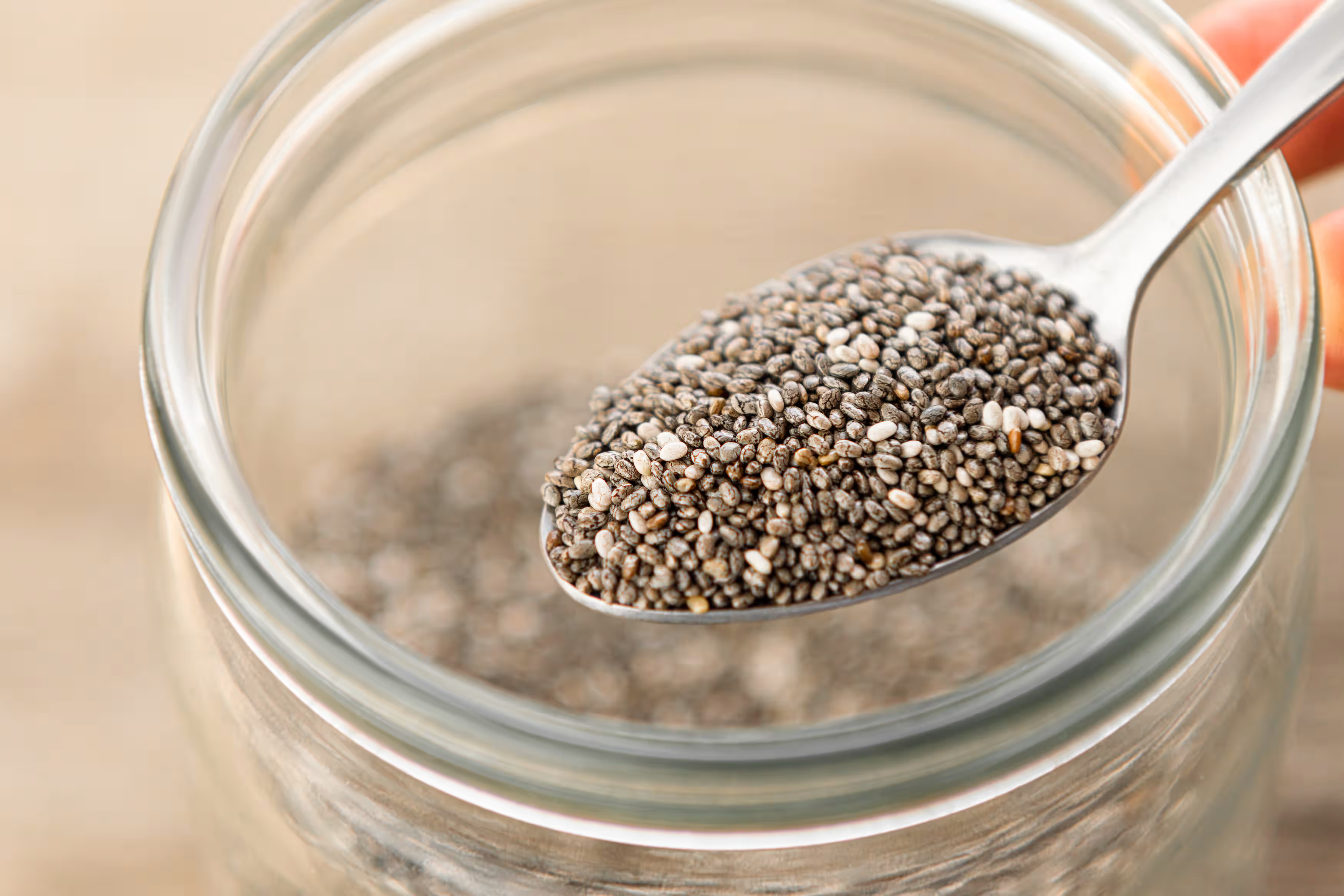
Chia seeds come from Salvia hispanica, a plant native to Mexico and Guatemala. They have been part of human diets for over 5,000 years and were widely used by ancient civilisations like the Aztecs and Mayans. Today, they are popular worldwide for their strong nutritional value [1].
Why Are Chia Seeds So Nutritious?
Chia seeds are packed with nutrients in a very small serving.
They provide:
• Fibre (around 10g per serving) for digestion [3]
• Protein with all 9 essential amino acids [1]
• Omega-3 fatty acids for heart and brain health[2]
• Vitamins & minerals like calcium, magnesium, and iron [1]
• Antioxidants that protect the body [1]They are also gluten-free and suitable for most diets [5].
Key Health Benefits of Chia Seeds
- Supports Heart Health
Chia seeds may help lower bad cholesterol, reduce triglycerides, and improve heart function due to their fibre and healthy fats [1]. - Helps Control Blood Sugar
Their fibre slows digestion, helping maintain stable blood sugar levels and reducing diabetes risk [1]. - Improves Digestion and Gut Health
High fibre supports smooth digestion, prevents constipation, and promotes healthy gut bacteria[4]. - Keeps You Full and Helps Weight Management
Chia seeds absorb liquid and expand, helping you feel full longer and reduce overeating [3]. - Protects the Body from Damage
Antioxidants in chia seeds help fight harmful molecules that can lead to chronic diseases [1]. - Supports Overall Health
Research suggests benefits like reduced inflammation, improved immunity, and better mental well-being [1].
Unique Feature: Expands in Liquid
Chia seeds can absorb 10–12 times (or more) their weight in water, forming a gel-like texture [3].
This helps:
• Increase fullness
• Support digestion
• Improve texture in foods
How to Add Chia Seeds to Your Diet
Important Risks and Precautions
While chia seeds are healthy, research highlights some important risks if not consumed properly:
- Allergic Reactions (Rare):
Some people may experience itching, swelling, or skin reactions. - Choking Risk:
Dry chia seeds can expand quickly when they absorb liquid. Eating them dry may cause choking.
Tip: Always soak before consuming. - Digestive Issues:
Too much fibre can cause bloating or stomach discomfort, especially if added suddenly. - May Affect Medication:
Chia seeds may interact with:
• Diabetes medications (lower blood sugar further)
• Blood pressure medicines
• Blood thinners - Can Reduce Nutrient Absorption
Excess intake may reduce absorption of minerals like iron, calcium, and zinc. - Kidney Concerns (in some cases)
People with kidney disease should monitor their intake due to mineral content. - Mixed Evidence on Certain Risks
Some studies show unclear links between omega-3 and prostate cancer risk. More research is needed. [5]
- Allergic Reactions (Rare):
How Much Is Too Much?
- Standard serving: ~2–2.5 tablespoons
- Large amounts (like 1/3 cup at once) may cause discomfort
It’s best to spread intake throughout the day [6]
Are They Safe Daily?
Yes, chia seeds can be eaten daily for most people, as long as they are consumed in moderation and properly prepared [6].
The Bottom Line
Chia seeds truly live up to their reputation as a powerful, nutrient-rich food. They support heart health, digestion, and overall well-being.
However, like any healthy food, they should be consumed carefully. Eating the right amount, soaking them properly, and being aware of possible side effects can help you enjoy their benefits safely.
References
[1] National Institutes of Health: Chia seeds A therapeutic weapon in metabolic disorders
[2] Harvard Health Publishing: Chia seed benefits: What you need to know
[3]Mayo Clinic: Chia seeds pack nutritional punch
[4] Healthline: 6 Enticing Health Benefits of Chia Seeds
[5] Verywell Health: 7 Surprising Risks of Chia Seeds
[6] Cleveland Clinic: The Many Benefits of Chia Seeds
Pingback: Vegetarian Diet: The Ultimate Guide to Healthy Eating - SuppFactsDaily
Pingback: Omega-3 Rich Foods: Delicious Ways to Boost Heart, Brain & Overall Health - SuppFactsDaily
Pingback: Omega-3 Rich Foods: Best Sources for Heart & Brain Health - SuppFactsDaily
Pingback: Side Effects of Protein Supplements: Are They Safe to Take? - SuppFactsDaily
Pingback: Omega-3 Fatty Acids: Types, Benefits & Best Food Sources - SuppFactsDaily
Pingback: Probiotics, Prebiotics and Postbiotics: The Key to Better Gut Health - SuppFactsDaily