Licorice isn’t just a sweet root—it’s an age-old remedy that still knows how to handle modern-day stress and lifestyle imbalances. Let’s explore how it can support your daily health, naturally.
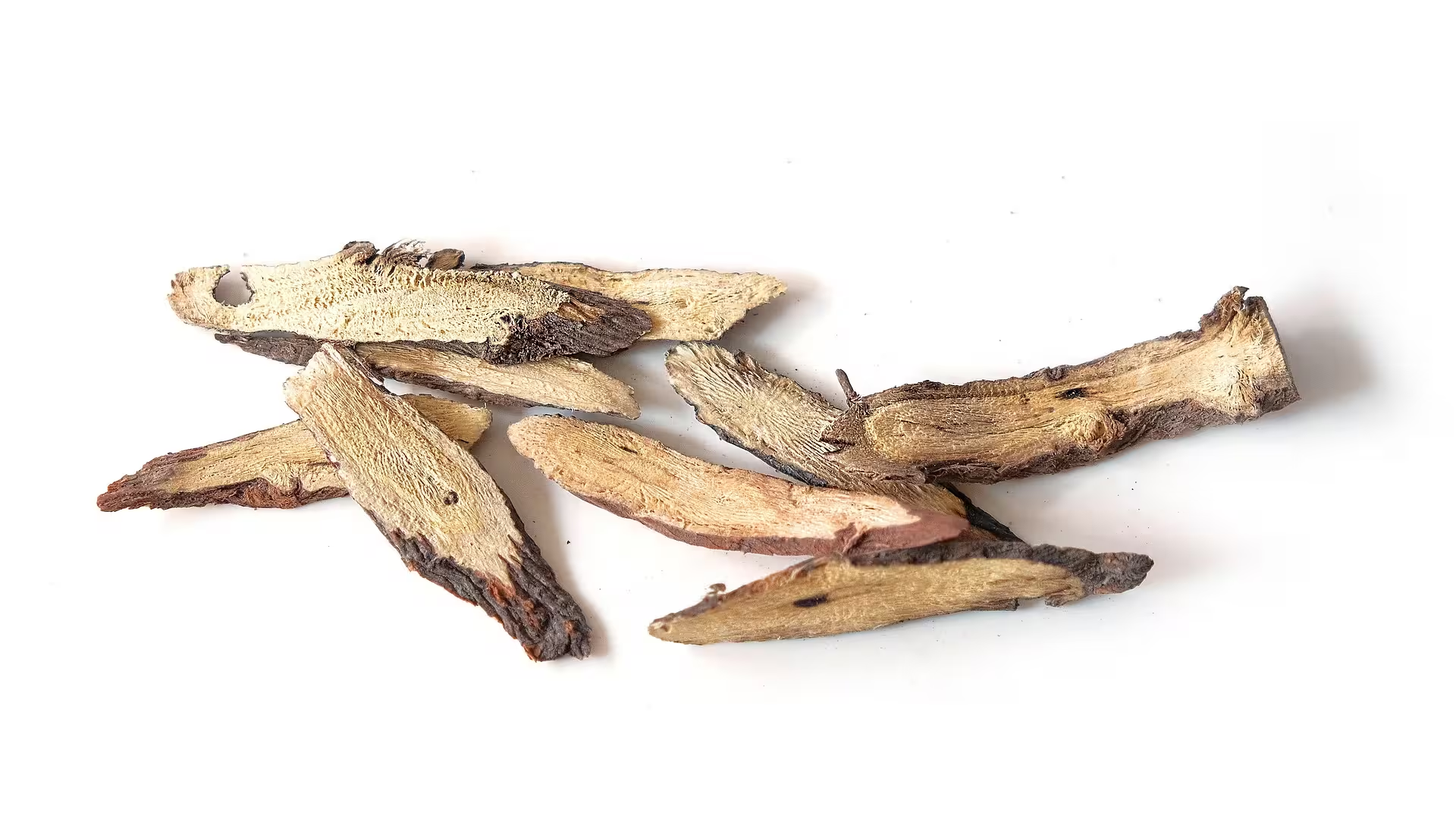
The licorice root is botanically classified as Glycyrrhiza glabra. In the ancient system of Ayurvedic medicine, this perennial plant native to Southern Europe and Asia is referred to as Mulethi or Yashtimadhu, which means “sweet root.”
Over the years, this versatile plant whose use can be traced back to the graves of ancient Egyptian kings has earned fame for its unique composition containing close to 300 chemicals including the effective compound glycyrrhizin.
Health Benefits of Licorice
1.Managing Acid Reflux and GERD
- Licorice root has been widely documented for its capacity to relieve the gastrointestinal tract. It acts as an herbal substitute for people looking for remedies to common digestive problems.
- The extract of the licorice root is commonly used in relieving GERD (Gastroesophageal reflux disease) symptoms such as heartburn and indigestion.
- According to a study conducted in 2017, its use on a daily basis is much more effective in symptom reduction for two years compared to conventional antacids. [1]
2. Treatment of Peptic Ulcers
Mulethi acts as an anti-ulcer [2] agent through the following mechanisms:
- Increased Mucus Secretion: The mucus layer provides protection to the stomach lining.
- Improved Circulation: Improved blood flow to the stomach facilitates healing of the injured tissues.
- Inhibition of Gastrin: Through inhibition of the gastrin hormone, licorice prevents excessive acid secretion, thus preventing ulcers.
3.Provides Respiratory Support
Licorice functions as an expectorant and demulcent. Expectorants have the ability to break down mucous build-up, while demulcents create a protective layer in the throat.
- Sore Throats: Licorice tea is often used to treat a sore throat, especially if it is due to strep throat.
- Asthma and Bronchitis: Due to its anti-inflammatory nature, licorice can be beneficial for these conditions. [3]
4.Improves Skin Health
Advantages of licorice are not limited to internal use only. The ingredient is becoming increasingly popular in the beauty sector owing to its healing properties for inflammatory conditions and pigmentation problems.
- Eczema and Acne: Its antimicrobial effect helps combat the pathogens that cause acne, whereas the anti-inflammatory effect alleviates redness and itching caused by eczema. [4]
- Dark Spots and Acne Scars: Licorice is rich in glabridin, a compound that interferes with melanin synthesis, hence its effectiveness in lightening skin discolorations and acne scars. [5]
5. Immune & Antiviral Defense
- Licorice is an extremely effective supplement to support the immune system. One of its functions is the enhancement of interferon secretion which serves as a protein signaling the appearance of viral infection. [7]
- Antiviral Effects: Scientific research has demonstrated that it might have inhibitory effects on specific viruses associated with hepatitis C and influenza. [6]
- Antioxidant Function: Flavonoids present in licorice shield against oxidative damage to cellular structures, considered the main cause of age-related diseases.
6.Adrenal Support and Stress Relief
- Licorice has been called an adaptogen because of its ability to assist the body in coping with stress. [8]
- The way it aids in supporting the adrenals is by inhibiting the enzyme which breaks down cortisol, which is the main stress hormone. Licorice can effectively counter adrenal fatigue by keeping appropriate levels of cortisol.
7. Aids in Oral Health
Licorice is extremely good for your oral health [9]. This is because it has anti-bacterial properties that act against the bacteria that cause tooth decay and gingivitis.
Licorice extract is now being used in many natural oral hygiene products.
Other Health Benefits
- Have anti-cancer effects
- Alleviates menopausal issues
- Facilitates weight reduction
- Helps in healing hepatitis C
- Help diabetics
Nevertheless, further studies are required to confirm these advantages.
Possible Side-Effects
Excessive intake of licorice rich in glycyrrhizin may cause:
- Hypertension: Sodium retention and elevated blood pressure.
- Hypokalemia: Severe potassium deficiency causing muscle cramps and irregular heartbeats.
- Edema: Fluid accumulation in the legs and face.
Who Should Refrain from Taking Licorice?
Those suffering from the following ailments should seek medical advice before starting to use licorice :
- High blood pressure and heart problems.
- Diseases of the kidney or liver.
- Pregnancy (because of possible effects on fetal development).
Recommended Guidelines
- There is no standard dosage, although the WHO recommends that the daily consumption not exceed 100 mg.
- Those who are looking for aid in digestion can turn to DGL (Deglycyrrhizinated Licorice) in the form of tablets with dosages of about 380 to 400 mg.
- It is always advisable to seek medical advice before starting to consume/use licorice.
The Bottom Line
The licorice root continues to be a versatile medicine in the natural world. From healing the digestive system to cleansing the respiratory organs to improving the skin, licorice benefits have been validated not only from the knowledge passed down since ancient times but also from contemporary medical research. Through selecting the appropriate product and medical advice, the power of the licorice root can be safely enjoyed.
References
1.Informit: Prevention of symptoms of gastric irritation (GERD) using two herbal formulas: An observational study
2.ScienceDirect : Licorice flavonoid alleviates gastric ulcers by producing changes in gut microbiota and promoting mucus cell regeneration
4.PubMed Central: New Herbal Biomedicines for the Topical Treatment of Dermatological Disorders