Exploring the vegetarian diet benefits can offer a fresh perspective on healthy eating, with a focus on nutrient-rich plant foods that can support overall well-being. When thoughtfully planned, this eating pattern can provide essential nutrients while potentially supporting heart health, healthy weight management, and a lower risk of certain chronic conditions.
What Is a Vegetarian Diet?
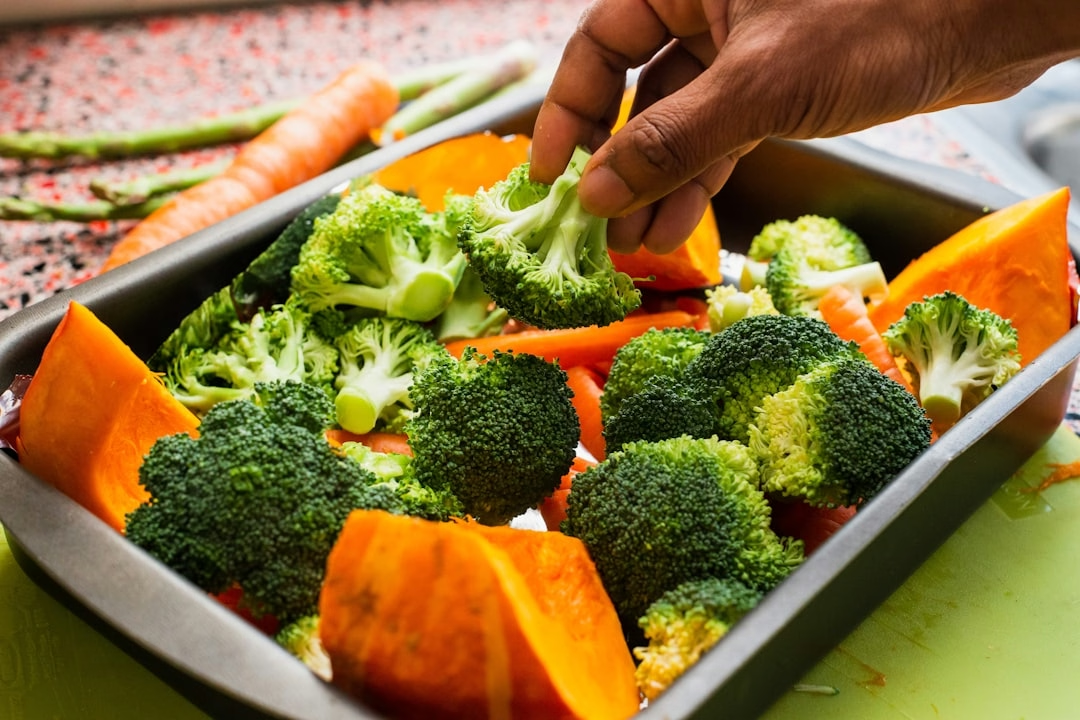
A vegetarian diet is a meal plan that excludes all meat, poultry, and seafood, focusing instead on foods derived primarily from plants. This includes a vibrant array of vegetables, fruits, whole grains, legumes, seeds, and nuts. Some variations may include eggs and dairy products. It’s important to understand that vegetarians do not consume any animal flesh, including fowl, beef, pork, lamb, bison, or exotic meats. Additionally, products containing animal-derived ingredients like gelatin or rennet (an enzyme used in cheesemaking) are also avoided.
Why Choose a Vegetarian Diet?
Adopting a plant-based approach to eating isn’t just a dietary choice; it’s a health strategy. A well-planned vegetarian diet can comprehensively meet your nutritional needs, and shifting away from heavy meat consumption is associated with significant positive health outcomes. Understanding the different types of vegetarian diets is the first step to finding the right fit for your lifestyle and nutritional goals.
Types of Vegetarian Diets: What’s the Difference?
Not all vegetarian diets are the same. Here are the main categories:
- Vegan: The most restrictive, including only plant-based foods. It excludes all animal proteins and by-products like eggs, milk, and honey.
- Lacto-vegetarian: Includes plant foods plus some or all dairy products.
- Lacto-ovo vegetarian: Includes plant foods, dairy products, and eggs.
- Semi- or partial vegetarian: Includes plant foods and may include chicken or fish, dairy, and eggs, but excludes red meat.
- Pescatarian: Includes plant foods and seafood.
Vegetarian Diet Benefits: How Plant-Based Eating Supports Health
Embracing a vegetarian lifestyle comes with a compelling list of vegetarian diet benefits. Research indicates that compared to non-vegetarians, vegetarians typically consume fewer calories from fat (especially saturated fat), fewer overall calories, and more fiber, potassium, and vitamin C. This nutritional profile can translate into tangible health gains.
Health Benefits Linked to a Vegetarian Diet
- May reduce your chance of developing obesity.
- Can lower your risk for heart disease.
- Helps in reducing high blood pressure.
- Associated with a lower risk for developing type 2 diabetes.
How to Get Enough Nutrients on a Vegetarian Diet
The cornerstone of reaping the vegetarian diet benefits is proper planning. You need to eat a wide variety of foods to get all the necessary calories and nutrients for growth and good health. This is especially important for young children, teens, pregnant or breastfeeding women, older adults, and people with chronic illnesses. While lacto-ovo vegetarian diets typically provide all needed nutrition, more restrictive diets like veganism require careful attention to specific nutrients.
1. Vitamin B12
Essential for preventing anemia and normal nerve function. Eggs and dairy are rich sources. Vegans can find it in fortified cereals, soy products, and nutritional yeast. Pescatarians can also get B12 from clams, salmon, and tuna.
2. Vitamin D
Crucial for bone health. While sun exposure is a source, it should be limited. Food sources include egg yolks and foods fortified with vitamin D, like orange juice, cow’s milk, soy milk, rice milk, and cereals. Pescatarians can also get it from fatty fish like sardines, salmon, and mackerel.
3. Zinc
Important for immune function and cell growth. Note that zinc from plants is not absorbed as well as from animal foods. Sources include beans, legumes, nuts, seeds, yogurt, cheese, and fortified foods like milk and cereals. Pescatarians have the additional option of oysters, crab, and lobster.
4. Iron Sources
Needed for healthy red blood cells. Plant-based (non-heme) iron is not absorbed as efficiently as iron from meat. Sources include beans, legumes, green vegetables, dried fruit, whole grains, and fortified cereals and breads. A key tip: Eating vitamin C-rich foods (like tomatoes, citrus, or bell peppers) at the same meal significantly boosts iron absorption.
5. Calcium
Vital for strong bones. Dairy products are the richest source. For those avoiding dairy, options include fortified plant milks and juices, tofu, almonds, Brazil nuts, tahini, and certain green vegetables like collard greens, kale, and broccoli. Be aware that oxalates in some greens (like spinach) can inhibit calcium absorption. Pescatarians can also get calcium from sardines and canned salmon with bones.
6. Omega-3
Important for heart and brain health. Plant sources include walnuts, ground flaxseed, chia seeds, pumpkin seeds, canola oil, soybeans, and soy oil. Many breads, eggs, juices, and milks are now fortified with omega-3s. Pescatarians can obtain them from fatty fish like halibut, mackerel, salmon, herring, and sardines.
7. Protein
Getting enough protein on a vegetarian diet is straightforward. Excellent sources include soy foods (tofu, tempeh, soy milk), seitan, legumes, beans, lentils, nuts, nut butters, seeds, whole grains, and dairy products. You do not need to combine specific foods at the same meal to get complete protein. Teens and pregnant women should ensure adequate intake.
Is a Vegetarian Diet Safe? Potential Risks and Considerations
A vegetarian diet is generally safe for people of all ages when well-planned. The primary consideration is the risk of nutrient deficiencies if the diet is overly restrictive or poorly planned, particularly for vitamins B12 and D, iron, zinc, calcium, and omega-3 fatty acids. Individuals with specific health conditions or higher nutritional needs should be especially vigilant.
How to Follow a Healthy Vegetarian Diet
There is no single “dosage” for a vegetarian diet, but following these evidence-based recommendations can help you thrive:
- Eat a diverse mix of vegetables, fruits, beans, nuts, seeds, and whole grains daily.
- Include low-fat or fat-free dairy and eggs if your diet permits.
- Choose fortified foods (cereals, breads, plant milks, juices) to help meet nutrient needs.
- Limit foods high in added sugar, sodium, and unhealthy fats.
- Aim to include a source of protein with each meal.
- Consider taking supplements if your diet consistently lacks specific vitamins or minerals.
- Learn to read Nutrition Facts Labels to make informed choices.
- If following a restrictive diet (like veganism), consult a registered dietitian to ensure nutritional adequacy.
The Bottom Line
A well-structured vegetarian diet is a powerful tool for promoting long-term health, offering benefits like a reduced risk of heart disease, obesity, and type 2 diabetes. By focusing on variety, incorporating fortified foods, and paying special attention to key nutrients like B12, iron, and omega-3s, you can enjoy all the vegetarian diet benefits while ensuring your body gets everything it needs to flourish.