What if one mineral could supercharge your energy and immunity? Iron just might—keep reading to find out how!

Iron is an essential nutrient that keeps your blood and body functioning at its best. A large part of hemoglobin—the protein in red blood cells that carries oxygen from your lungs to every part of your body—relies on iron, which is why low iron can leave you feeling fatigued.
Iron is also a key component of myoglobin, the protein that delivers and stores oxygen in your muscles.
Beyond energy, iron supports children’s brain development, overall growth, and the healthy production and function of countless cells and hormones throughout the body.
How Your Body Stores and Transports Iron
Iron is transported throughout the body via transferrin, a blood protein that binds to iron and iron is deposited as ferritin in the liver, spleen, muscle tissue and bone marrow. If anemia is suspected, a physician may occasionally check these two components’ blood levels.
4 Amazing Health Benefits of Iron
1. Strengthens Your Immune System
- For the immune system to operate properly, iron is essential. You may be more susceptible to illnesses if you don’t consume enough iron.
- According to Cleveland Clinic: “People who have iron deficiency anemia can be less able to fight off certain infections and germs. If you’re not getting enough oxygen through your body, your body has to work harder just to try to keep going with the day-to-day. And things like your immune system can suffer.” [2]
2. Boosts Your Energy Naturally
Iron helps produce hemoglobin, which transports oxygen from the lungs to various tissues in your body, enabling your cells to produce energy. Lack of energy is one of the main symptoms of anemia—the deficiency of iron. [1]
3. Supports Endurance and Physical Performance
The body needs iron to carry oxygen to the muscles. Athletes who are iron deficient do not perform physically well, including strength, stamina, power, speed, coordination, and recuperation. [3]
4. Supports a Healthy Pregnancy
Your body requires more iron during pregnancy due to an increase in blood volume. Iron is used by your body to produce blood, which provides oxygen to support your baby’s growth. [4]
How Much Iron Do You Need Daily?
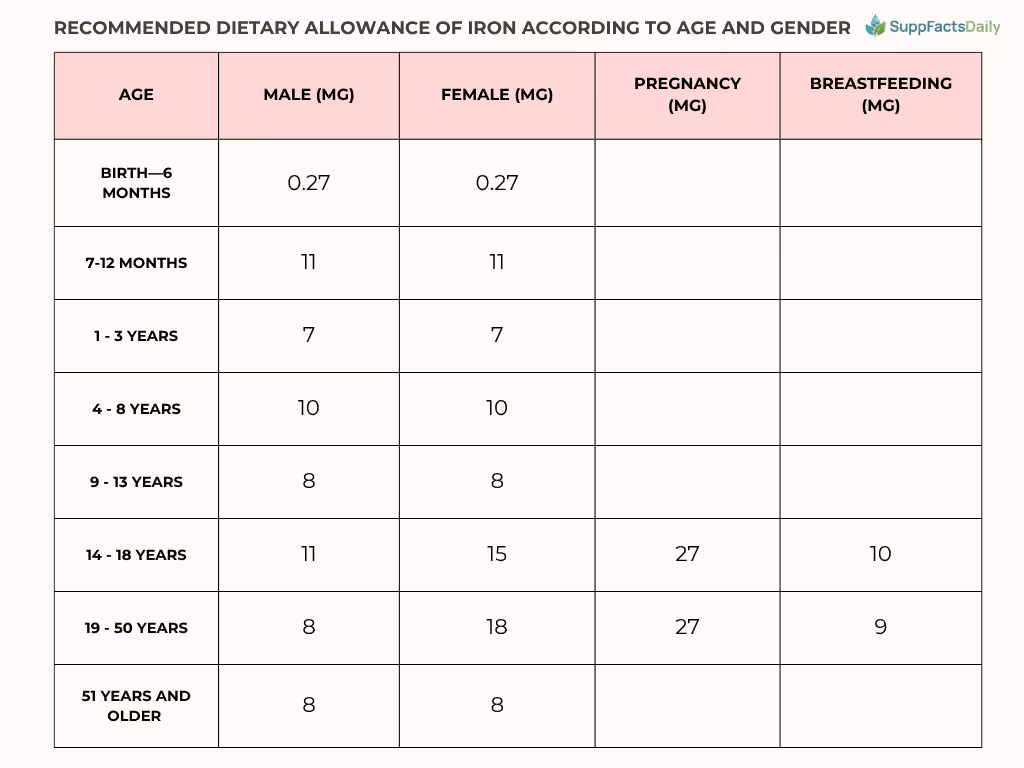
Source: National Institutes of Health [5]
- The high levels needed in women and during pregnancy result from blood loss via menstruation and the swift development of the fetus necessitating additional blood circulation throughout pregnancy.
- Teenagers aged 14-18 who are growing rapidly require increased iron intake:
- The RDA for women aged 51 and older decreases to 8 mg, assuming that menstruation has ceased due to menopause. It is worth mentioning that menopause takes place later for certain women, so they ought to maintain adherence to the RDA for younger women until menopause is verified.
Best Dietary Sources of Iron
Iron is found naturally in various foods, and some food manufacturers also include it in specific fortified items. Typically, a diverse diet provides sufficient iron, but some individuals struggle to obtain it from their food.
Factors Influencing Absorption: Iron has limited bioavailability. This indicates that the small intestine does not take in significant quantities of iron from the food consumed. Various factors influence the amount of iron you consume, including:
- The iron source
- Your general well-being and the condition of your digestive system
- Drugs or vitamins you’re using
- Additional foods you’re consuming
- Your iron count in the body
Consuming foods high in Vitamin C improves the absorption of nonheme iron. Conversely, some elements—such as tannins found in tea, coffee, and wine may hinder the absorption of iron.
Types of Iron
Two types of iron are found in food, namely heme and non-heme. Only animal flesh such as meat, poultry, and shellfish contains heme. Plant foods such as whole grains, nuts, seeds, legumes, and leafy greens contain non-heme iron.
Since animals eat plant foods that contain non-heme iron, it can also be present in animal flesh and fortified meals. Heme iron is considered to have increased bioavailability than non-heme iron.
Top Foods Rich in Iron
Naturally iron-rich foods consist of:
- Fish
- Leafy green vegetable
- Various organ meats
- Tofu
- Broccoli
- Raisins
- Sweet potatoes
- Seafood
- Figs
- Certain cereals and foods are fortified with iron.
Iron Supplements: When and How to Use Them
- Iron is available in the form of supplements and multivitamins. High-dose iron supplements are prescribed for people with or at high risk of iron deficiency anemia.
- You can resolve any confusion regarding the types and amounts of iron supplements by asking your doctor to specify both the elemental and chemical compounds.
Signs of Iron Deficiency and Risks of Overload
Anemia is a condition that can result from insufficient iron intake. Typical signs of anemia include: exhaustion and dyspnea, dizziness, and pale skin.
Iron overload can be harmful. When you don’t have an iron deficiency or are not at a significant risk of becoming one, doctors don’t advise taking iron supplements.
Iron excess is a serious risk if you have hemochromatosis, a genetic disorder. Compared to people without this illness, those who have it absorb a lot more iron from food. [6]
An excess of iron can lead to the following problems:
- Stomach problems
- Iron supplementation may result in constipation, nausea, vomiting, and stomach pain.
- Damage to organs
- Too much iron can build up in the liver and other organs, harming all body tissues and cells.
The Bottom Line
Your red blood cells need iron, a necessary mineral to transport oxygen throughout your body.
Generally speaking, you can get enough iron from your diet by eating a range of foods, but some people may find it difficult to satisfy their iron needs and may need to take supplements.
Before using supplements, make sure to talk to your doctor about them.
Image Credits
References
[1] National Institutes of Health: Iron
[2] Cleveland Clinic: What Iron does for Your Body?
[3] PubMed Central: Iron Status and Physical Performance in Athletes
[4] ScienceDirect: Iron deficiency in pregnancy
[5] National Institutes of Health: Iron
[6] Cleveland Clinic: Hemochromatosis (Iron Overload)
[7] Mayo Clinic: Iron Deficiency Anemia
[8] PubMed: Nutritional Aspects of Iron in Health and Disease
[9] Pubmed: Review on iron and its importance for human health
[10] National Library of Medicine: Iron Deficiency-Anemia