Ayurveda has long turned to Malabar Nut for coughs and congestion—but what makes this humble herb so effective?
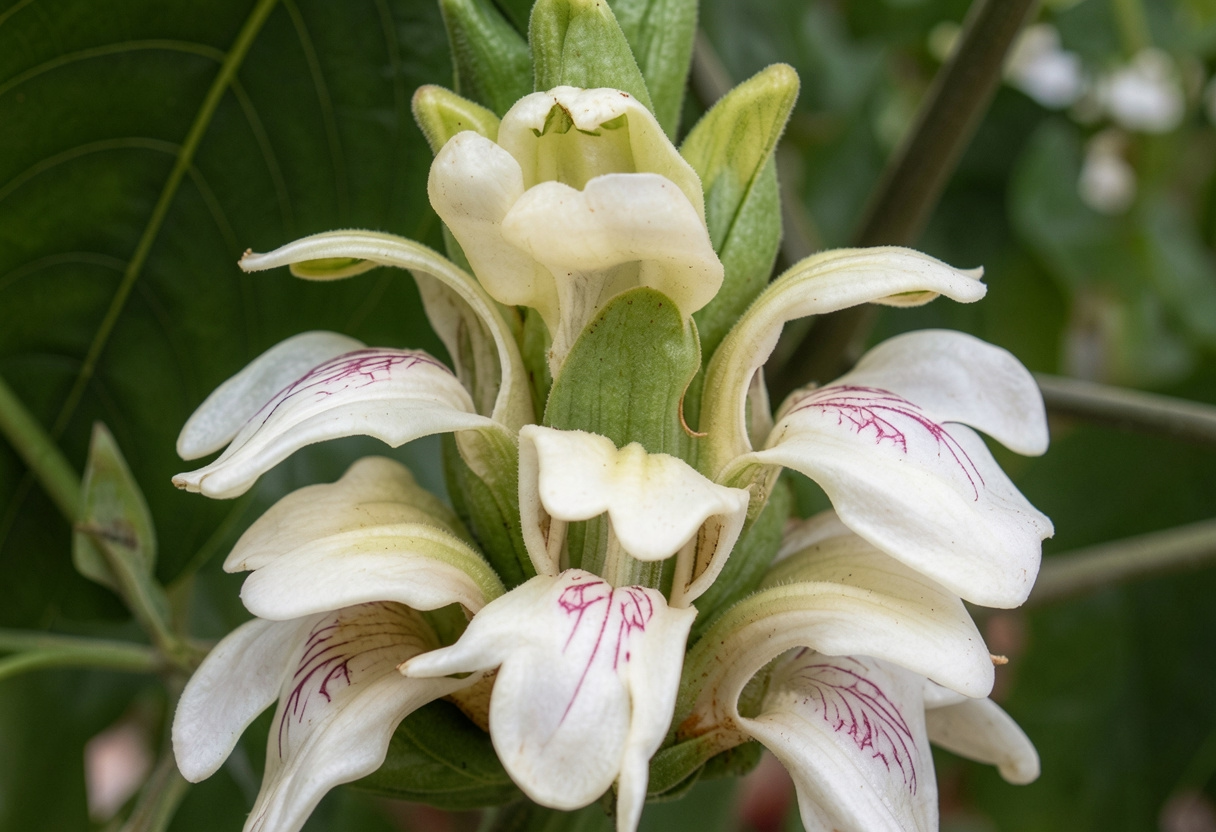
Known as Adhatoda vasica, Malabar Nut has held a special place in Ayurvedic tradition for generations. This unassuming medicinal shrub has been valued for its connection to respiratory wellness, yet its journey from ancient herbal practice to modern scientific interest raises an intriguing question: what lies behind its long-standing reputation? Here’s a closer look at the herb, its traditional roots, and the science that is beginning to explore its potential.
What Is Malabar Nut?
Malabar Nut (Adhatoda vasica), also known as Justicia adhatoda, is a medicinal shrub native to the Indian subcontinent and parts of Southeast Asia. Recognized by its distinctive leaves and white flowers, the plant has been valued in Ayurvedic and Unani medicine for centuries. Traditionally, its leaves, roots, flowers, and other parts have been used in herbal preparations, particularly those associated with respiratory wellness. Its enduring place in these traditional systems has made it an important subject of interest as researchers explore the properties of medicinal plants used across generations.
Much of the interest surrounding Malabar Nut comes from its rich phytochemical profile, particularly the alkaloids vasicine and vasicinone. These naturally occurring compounds have been studied for their potential expectorant, bronchodilatory, and anti-inflammatory effects, which may help explain some of the plant’s traditional respiratory applications [1]. Alongside these alkaloids, the plant contains other bioactive compounds that contribute to its complex medicinal profile. Together, its long history of traditional use and distinctive chemistry have made Malabar Nut an intriguing subject for modern scientific research.
Why Is Malabar Nut Gaining Attention?
In an era where synthetic drugs can come with significant side effects and antibiotic resistance is a growing concern, there is a renewed global interest in evidence-based herbal remedies. Malabar Nut offers a traditional, multi-target approach to common health issues, particularly those affecting the respiratory system and oral cavity. Modern research is now validating many of its historical uses, providing scientific backing for its integration into holistic health practices.
Malabar Nut Benefits and Potential Uses
With centuries of traditional use and growing scientific interest, Malabar Nut has been studied for several potential health benefits. Here’s what research and traditional practice suggest about where this herb may have a role.
1. May Help Relieve Cough
The most celebrated use of Malabar Nut is as a natural antitussive (cough suppressant) and expectorant. The alkaloids, especially vasicine, help relax bronchial muscles and thin mucus, making it easier to clear from the airways[1]. This mechanism is central to its effectiveness in calming dry, hacking coughs.
2. Upper Respiratory Tract Infections (URTIs)
Clinical studies have investigated Malabar Nut as part of herbal combinations for acute upper respiratory infections. One randomized, double-blind, placebo-controlled study[2] found that a fixed combination containing Adhatoda vasica extract, Echinacea, and Eleutherococcus (KanJang) was effective in reducing symptoms in patients with URTIs. Another comparative study[1] confirmed the antitussive effect of a similar combination, showing significant improvement compared to a placebo.
3. Treatment for Gingivitis and Oral Health
Beyond respiratory health, Malabar Nut shows promise in dentistry. A randomized, double-blind, placebo-controlled study[3] on patients with chronic gingivitis found that an Ayurvedic toothpaste containing Malabar Nut significantly improved gingival bleeding, oral hygiene, and microbial parameters. An earlier study[4] on a herbal toothpaste also reported positive effects on gingival bleeding and oral hygiene.
4. Antimicrobial and Antioxidant Properties
Laboratory research highlights the plant’s broader protective capacities. Isolated compounds like vasicine acetate have demonstrated antimicrobial activity[5], including against mycobacteria[6]. The plant also possesses significant antioxidant effects. A 2020 animal study[7] found that a combination of Justicia adhatoda (Malabar Nut) and holy basil boosted antioxidative effects and helped impede hyperlipidemia.
5. Hepatoprotective (Liver-Protecting) Potential
Preliminary animal research suggests components of Malabar Nut may support liver health. A 2014 study[8] in mice indicated that vasicinone, another alkaloid from the plant, exhibited hepatoprotective activity against toxin-induced liver damage.
Is Malabar Nut Safe? Side Effects & Precautions
While generally considered safe when used appropriately, it’s important to be aware of potential side effects and contraindications.
- Common Side Effects: Some individuals may experience stomach upset, nausea, or increased saliva production.
- Pregnancy and Breastfeeding Warning: Malabar Nut is traditionally known to stimulate uterine contractions. It is considered likely unsafe during pregnancy due to the risk of abortion and should be avoided. There is insufficient reliable information about its safety during breastfeeding, so avoidance is recommended.
- Sedative Interaction: Due to its potential to cause drowsiness, Malabar Nut may amplify the effects of sedative medications (CNS depressants).
- General Precaution: As with any supplement, it is crucial to consult with a qualified healthcare provider before starting Malabar Nut, especially if you have pre-existing medical conditions or are taking other medications.
Malabar Nut Dosage & How to Use It Safely
Appropriate dosing depends on the form of the product and the condition being addressed. There is no single universally standardized dose, but clinical research provides some guidance.
- For Cough and Respiratory Support: In clinical studies on cough associated with URTIs, a specific combination product containing 30 mg of vasicine (from Malabar Nut extract) taken twice daily was used[1].
- For Gingivitis: Research on oral health utilized a specific herbal toothpaste formulation containing Malabar Nut extract, applied twice daily as part of normal brushing[3].
- Leaf Extract: Some studies on antioxidant effects have used doses such as 500 mg/kg of body weight of an aqueous leaf extract in animal models[7]. This does not directly translate to human dosing.
- General Advice: Always follow the dosage instructions on the specific commercial product you purchase, or follow the guidance of an Ayurvedic practitioner or healthcare provider. Start with the lower end of the recommended range to assess tolerance.
The Bottom Line
Malabar Nut (Adhatoda vasica) is a venerable herbal remedy with compelling modern research, particularly for managing coughs, upper respiratory infections, and gingivitis. Its effects are attributed to bioactive alkaloids like vasicine. While promising, it is not without precautions; it should be avoided during pregnancy and may interact with sedatives. For those seeking a natural approach to respiratory and oral health under professional guidance, Malabar Nut represents a science-backed option rooted in ancient tradition.
Frequently Asked Questions
What is Malabar Nut used for?
Malabar Nut has traditionally been used in Ayurvedic and Unani medicine for respiratory complaints, particularly coughs and mucus-related symptoms. Research has also explored its potential role in oral health and other areas, although the strength of evidence varies by use.
Does Malabar Nut help with cough?
Malabar Nut contains alkaloids such as vasicine that have been studied for their effects on the respiratory system. Some clinical research involving Malabar Nut-containing herbal preparations suggests potential benefits for cough and upper respiratory symptoms, but evidence for Malabar Nut alone remains limited.
Is Malabar Nut safe during pregnancy?
Malabar Nut should be avoided during pregnancy. Vasicine and related compounds may stimulate uterine contractions, creating a potential risk of miscarriage or other pregnancy complications.
What are the side effects of Malabar Nut?
Possible side effects may include stomach upset, nausea, increased salivation, or drowsiness. Individual responses can vary depending on the preparation and dose.
Can Malabar Nut interact with medications?
Potentially. Malabar Nut may increase the effects of sedative or central nervous system depressant medications. Anyone taking regular medications should check with a healthcare professional before using it.
You May Also Like


Why Trust SuppFactsDaily
At SuppFactsDaily, we believe supplement and wellness information should be based on facts over buzz. We break down nutritional supplements, herbs, vitamins, minerals, and health and wellness topics using evidence from reputable scientific and medical sources, while clearly separating established findings from early or limited research.
Our goal isn’t to promote every “natural” remedy as a cure. We focus on what the evidence actually says—including potential benefits, limitations, side effects, interactions, and safety concerns—so you can make more informed decisions about your health.
Image Credits
Photo by Magnific
References