Nature often works in subtle ways—and Tulsi is a perfect example of that gentle, everyday power. Let’s take a closer look.
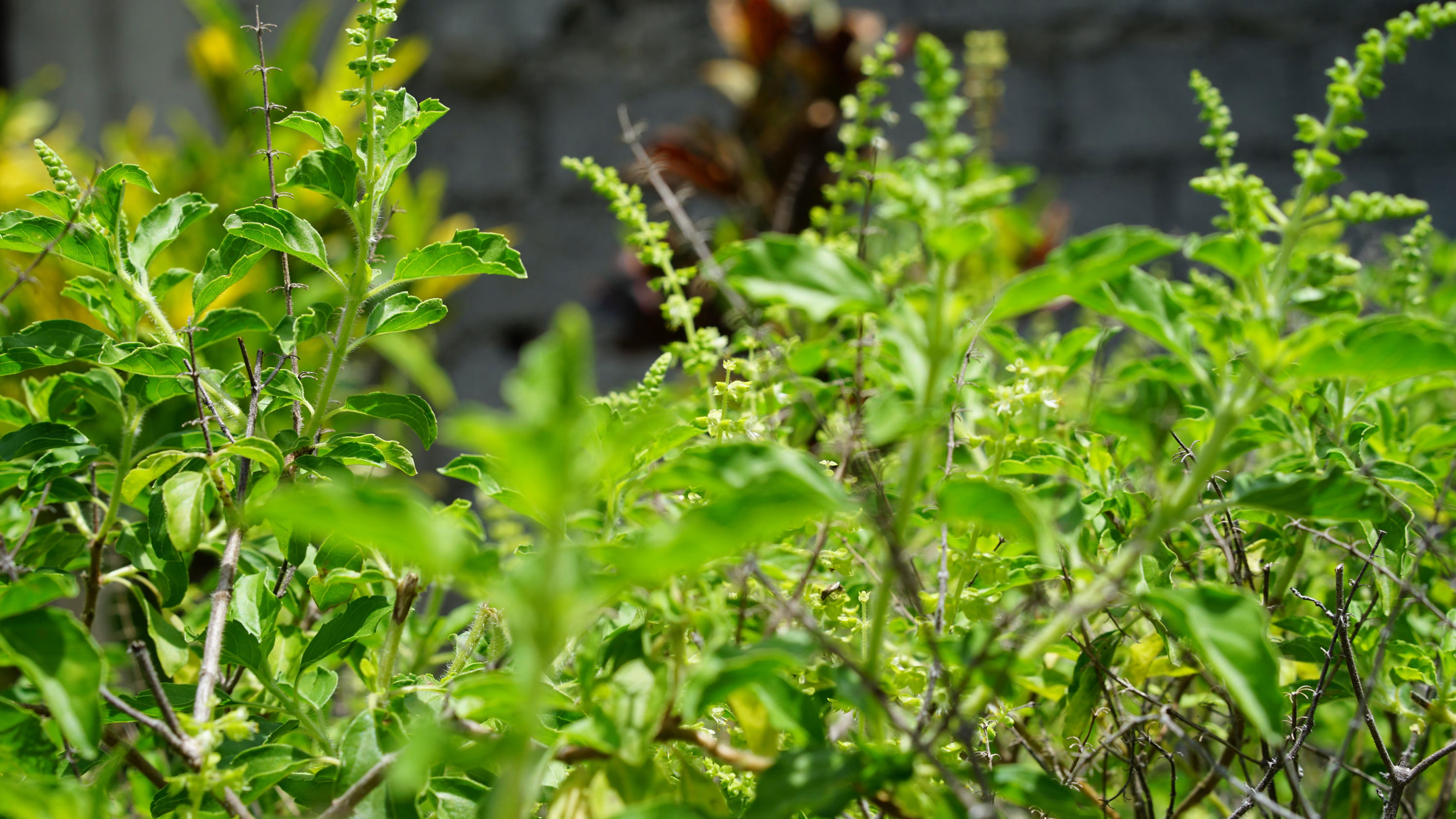
In a world where we often look for healing in pharmacies, the most powerful remedy might actually be growing in a clay pot on your balcony: Tulsi, the ‘Queen of Herbs,’ where ancient spirituality meets modern science.
An Overview
In the rich world of Ayurveda, few plants are as respected as Ocimum sanctum commonly known as Tulsi or Holy Basil. Often called the “Queen of Herbs,” Tulsi is more than just a plant; It is a key part of traditional Indian medicine that connects physical health with spiritual well-being.
Modern research is beginning to confirm what ancient sages have understood for thousands of 1years that this green leafy plant provides a unique combination of benefits which support the body’s chemistry, metabolism and emotional strength.
Essential Tulsi Benefits for Your Health
1. Helps Ease Stress & Improve Mental Clarity
At the core of Tulsi’s benefits is its role as a strong adaptogen. An adaptogen is a natural substance that helps the body manage various stressors, whether they are chemical, physical, infectious or emotional.
Tulsi helps maintain balance by regulating cortisol levels. Regular consumption like chewing fresh leaves or drinking Tulsi tea has been shown to: [2]
- Reduce Anxiety: Its antidepressant qualities can be compared to some pharmaceutical options helping to calm the mind without causing drowsiness. [1]
- Improve Cognitive Function: By lowering oxidative stress in the brain, it aids memory retention and combats “brain fog.”
- Enhance Sleep Quality: Recent studies indicate that Tulsi extract can improve sleep patterns, leading to a more restful night. [4]
2. Protection Against Chemical & Physical Stress
Beyond emotional stress, Tulsi protects against environmental toxins. It enhances the body’s natural antioxidant enzymes like superoxide dismutase and catalase. These enzymes neutralize free radicals created by pollution, heavy metals (such as mercury and lead) and even radiation. [5]
3. Supports Respiratory & Immune Health
Tulsi is well-known for its effectiveness in treating respiratory issues. [2] It acts as an expectorant, helping to clear mucus from the lungs. When mixed with honey and ginger, a decoction of Tulsi leaves serves as a powerful remedy for:
- Asthma and Bronchitis
- Influenza and common colds
- Sore throats (when used as a gargle with boiled water)
4. For Metabolic & Cardiovascular Wellness
For those dealing with metabolic disorders, Tulsi provides a natural supportive therapy.
- Blood Sugar Regulation: Clinical trials show that Tulsi can help lower blood glucose levels, making it a helpful addition for individuals with Type 2 diabetes. [3]
- Cholesterol Management: The herb works to reduce “bad” LDL cholesterol, promoting better heart health.
- Kidney Function: Consuming Tulsi leaf juice with honey is traditionally used to strengthen the kidneys and support the removal of kidney stones.
How to Add Tulsi to Your Routine
While Tulsi is a “sacred” herb, it should be treated with the same care as any medicinal supplement. Adding it to your lifestyle requires understanding both its uses and precautions.
There are several ways to enjoy the benefits of Holy Basil depending on your preference:
- Tulsi Tea: Steep 2–3 teaspoons of dried leaf powder or fresh leaves in boiling water for 5–6 minutes.
- Direct Consumption: Chewing 10–12 fresh leaves daily is a traditional method for blood purification.
- Infused Ghee or Honey: Mixing Tulsi extract with honey or ghee improves its effectiveness.
- Topical Use: Tulsi possesses antibacterial properties and it can support wound healing and treat skin infections.
Using Tulsi Safely
Despite its lack of negative side effects in most human trials, some groups should be careful:
- Pregnancy and Nursing: Because it can affect hormone levels, pregnant or lactating women usually avoid Tulsi.
- Diabetes Medication: As Tulsi lowers blood sugar, those on insulin should closely monitor their levels to prevent hypoglycemia.
- Blood Thinners: Tulsi might slow blood clotting, so it should be used cautiously by those on anticoagulants.
The Bottom Line
Tulsi serves as a unique link between the wisdom of the past and the clinical needs of today. Whether you want to improve your focus, strengthen your immune system or find a moment of calm in a hectic world, this “Queen of Herbs” offers a natural solution.
By incorporating Tulsi into your daily routine—with attention to safety and professional medical advice—you aren’t just taking a supplement; you are embracing a centuries-old tradition of holistic resilience.
References
[1] PubMed Central: Tulsi – Ocimum sanctum: A herb for all reasons
[2] ScienceDirect: Ancient herb, modern applications: Immunological potential of ocimum tenuiflorum in respiratory and neuropsychological health
[3] ScienceDirect : Holybasil (tulsi) lowers fasting glucose and improves lipid profile in adults with metabolic disease: A meta-analysis of randomized clinical trials
[4] Parkinson`s Resource Organization: HOLY BASIL TO BEAT STRESS AND SLEEP BETTER
[5] TNAU Agritech Portal: Tulsi
[6] Europe PMC: Tulsi – Ocimum sanctum: A herb for all reasons.