Often referred to as “nooch,” these golden flakes are no longer just a staple for plant-based enthusiasts. They are now recognised by leading medical institutions as a source of complete protein and essential vitamins.
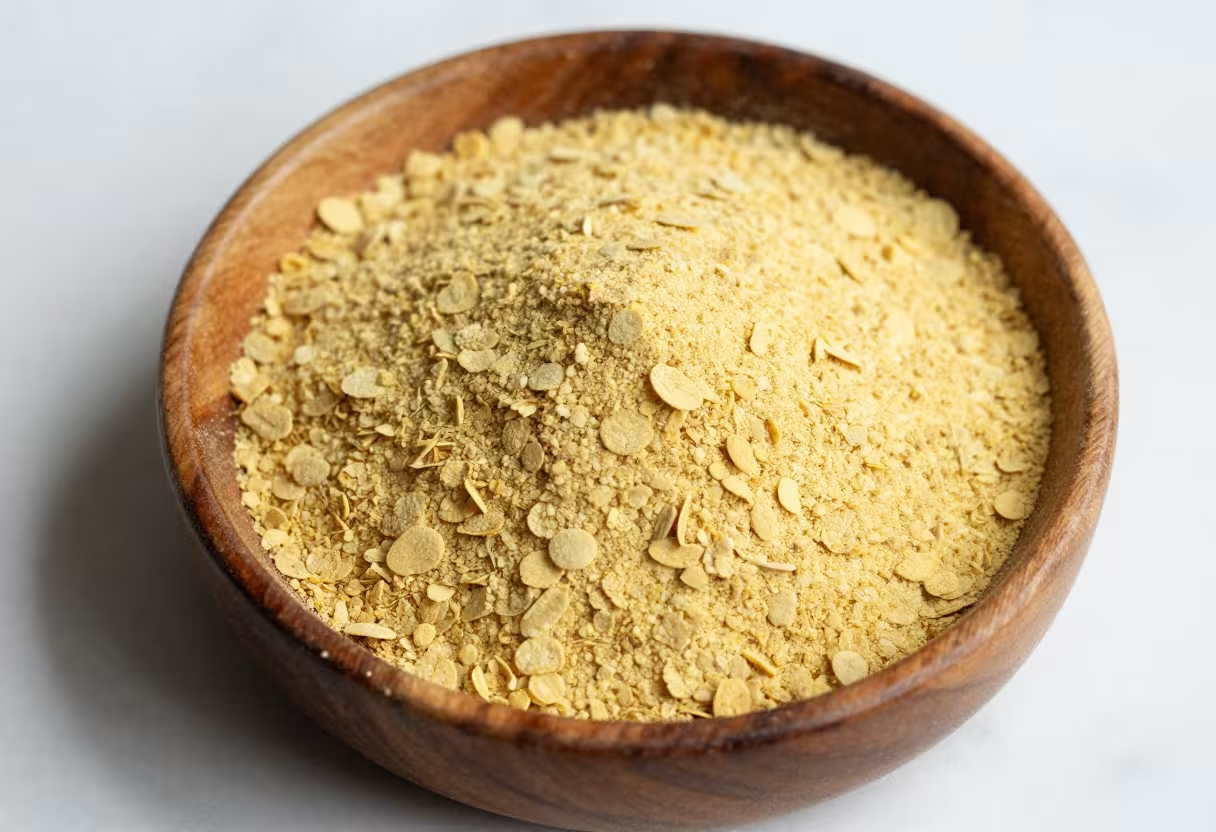
Nutritional yeast comes from a species of fungus called Saccharomyces Cerevisiae. While this is the same species used in baking and brewing, nutritional yeast is a distinct product [1][4].
The production process involves growing yeast on a sugar-rich medium, followed by heat inactivation [1][4]. This process kills the yeast cells, meaning they cannot make bread rise or ferment beer. Instead, the cells release glutamic acid, which provides the savoury, “umami” flavour that many describe as cheesy or nutty [1][5].
The "Complete Protein" Breakthrough
The most significant finding across clinical databases is that nutritional yeast is a complete protein, a rarity in the plant world.
- The Nine Essentials: To be considered “a complete protein,” a food must contain all nine essential amino acids that the body cannot produce on its own. Nutritional yeast contains all of them [1][5].
- Protein Density: Research shows that nutritional yeast is approximately 50% protein by weight [1][5]. A standard 1/4 cup serving offers roughly 8 to 10 grams of protein, which is comparable to the protein found in a large egg or a cup of whole milk [3][5].
- Amino Acid Superiority: It is particularly high in Lysine (65 mg/g) and Leucine (64 mg/g), which are critical for tissue repair and muscle maintenance [5].
Fortified vs Unfortified: The B-Vitamin Factor
Not all nutritional yeast are created equal. Medical experts emphasise the distinction between the two main types:
- Unfortified: This version contains only the vitamins and minerals naturally produced by the yeast as it grows. While still a complete protein, it is not naturally high in Vitamin B12 [4][6].
- Fortified: This is the version most commonly found in grocery stores. Manufacturers add synthetic vitamins during the process to boost the nutrient profile. Fortified nooch is a powerhouse of B-complex vitamins, including B1, B2, B6, folate, and B12 [4][6].
Because B12 is primarily found in animal products, clinical guidelines highlight fortified nutritional yeast as an essential tool for preventing anaemia and supporting nerve function in those following a plant-based diet [2][6].
Clinical Benefits: Immunity and Heart Health
Clinical trials and research summaries point to several specific health benefits:
- Immune System Support: Nutritional yeast contains beta-glucans, a type of fibre. Studies show these fibres can stimulate immune cells to protect the body against infections [1][7].
- Cholesterol Management: The same beta-glucans found in nutritional yeast have been linked to lower cholesterol levels, supporting overall heart health [1][7].
- Antioxidant Power: It contains powerful antioxidants like glutathione and selenomethionine, which protect cells from oxidative stress and environmental damage [6]
A Word of Caution: Use with Awareness
Despite its benefits, researchers advise a balanced approach due to the high concentration of added nutrients.
- Niacin Limits: Some fortified brands contain very high levels of Niacin (Vitamin B3). The tolerable upper limit (UL) for adults is 35mg per day. Some brands provide this amount or more in just a two-tablespoon serving, which can cause a temporary skin “flush” [4].
- Label Accuracy: Independent testing by groups like Consumer Lab found that the nutrient levels listed on labels for fortified yeast were not always accurate [4].
- Digestive Sensitivity: While generally safe, some individuals may experience sensitivity or digestive issues, and it is recommended to start with small amounts [3][6].
The Bottom Line
The consensus from top medical sources is that nutritional yeast is an exceptional source of high-quality, complete protein. Its unique ability to provide all essential amino acids, combined with its B-vitamin density and immune-supporting fibres, makes it a scientifically verified powerhouse for anyone looking to optimise their nutritional intake.
References
[1]National Institutes of Health (NIH): PMC11171741 – Saccharomyces cerevisiae and Protein Synthesis
[2]Mayo Clinic: Vitamin B-12 and its role in plant-based nutrition
[3]Nutri: Is Nutritional Yeast a Complete Protein?
[4]Harvard Health Publishing: Search – Find the information you need – Harvard Health
[5]VegFAQs: The Essential Amino Acid Profile of Nutritional Yeast
[6]Healthline: Nutritional Yeast: Nutrients, Benefits, and Uses
[7]Cleveland Clinic: 4 Ways Nutritional Yeast Is Good for You