Long before holy basil appeared in modern supplements and wellness routines, tulsi was deeply woven into Ayurvedic tradition. Its enduring reputation has now opened the door to a growing body of research exploring what this ancient herb may actually do.
Holy Basil Health Benefits: An Overview
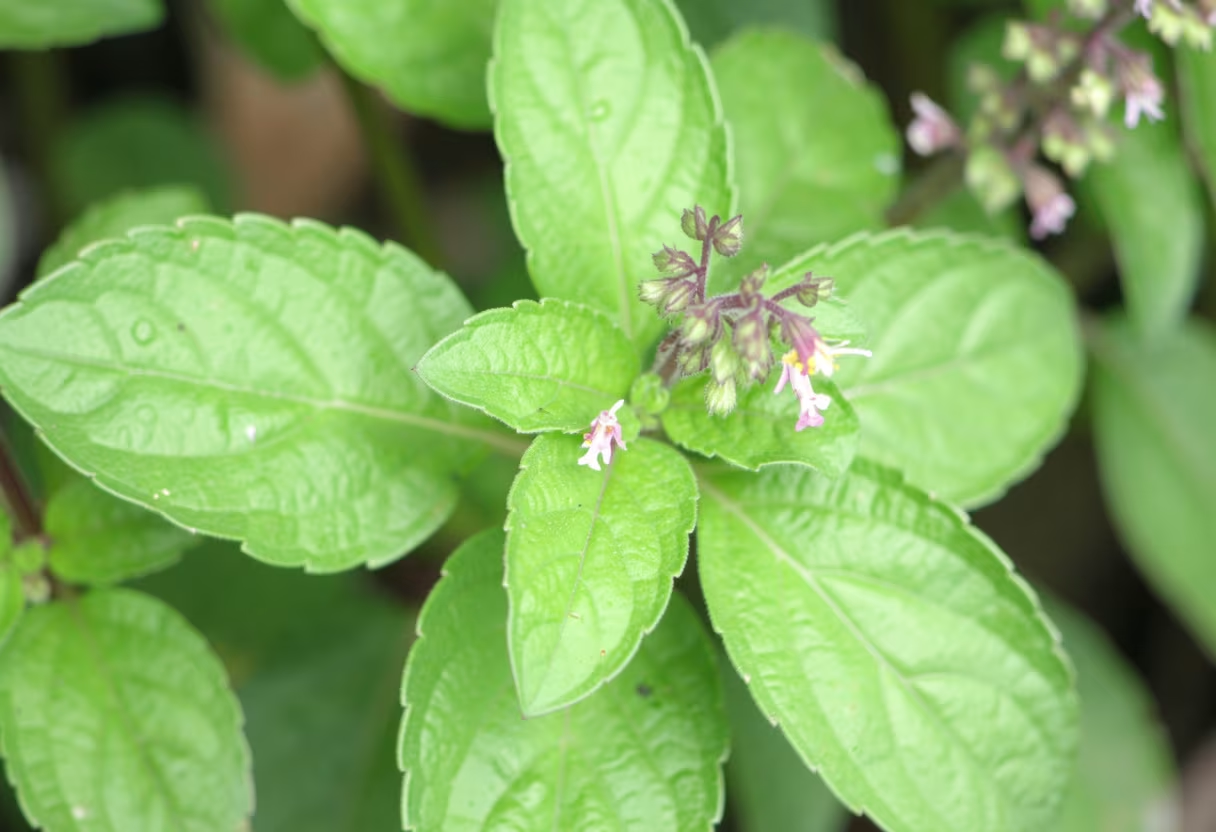
Holy basil, also known as Ocimum sanctum or Ocimum tenuiflorum, has been a staple of Ayurvedic medicine for centuries. Traditionally revered as an “adaptogen,” it helps the body adapt to physical and emotional stressors. Modern research confirms that the plant’s essential oils, flavonoids, and polyphenols interact with the body’s endocrine and immune pathways, supporting a balanced response to daily challenges.[1]
Why Is Holy Basil Gaining Attention?
In today’s fast‑paced world, chronic stress, blood‑sugar spikes, and low‑grade inflammation are common contributors to long‑term health problems. Understanding how holy basil health benefits intersect with these issues can empower you to make evidence‑based choices for better health.
1. Stress and Emotional Well-Being
Multiple clinical trials show that standardized holy basil extracts reduce perceived stress, improve mood, and promote better sleep quality. One double‑blind study reported a 30% reduction in cortisol levels after eight weeks of supplementation, alongside lower scores on standardized anxiety questionnaires.[4] The herb’s adaptogenic compounds, such as eugenol and rosmarinic acid, appear to modulate the hypothalamic‑pituitary‑adrenal (HPA) axis, helping the body maintain equilibrium during stressful periods.
2. Blood Sugar and Metabolic Health
Research in both animal models and human participants suggests that holy basil health benefits extend to glycemic control. A randomized placebo‑controlled trial in patients with type 2 diabetes found that daily consumption of holy basil leaf powder lowered fasting blood glucose by an average of 12 mg/dL and improved HbA1c over three months.[2] The mechanisms are thought to involve enhanced insulin secretion and increased peripheral glucose uptake.
3. Antioxidant and Inflammation Support
Inflammation underlies many chronic diseases, from cardiovascular disease to arthritis. Holy basil’s essential oil exhibits potent anti‑inflammatory activity by inhibiting cyclooxygenase‑2 (COX‑2) and reducing pro‑inflammatory cytokines such as TNF‑α and IL‑6.[3] Additionally, its antioxidant flavonoids scavenge free radicals, protecting cells from oxidative damage.
4. Immune and Antimicrobial Potential
Laboratory studies demonstrate that holy basil extracts boost natural killer (NK) cell activity and enhance the body’s first line of defense against pathogens. The herb also shows antimicrobial activity against common oral bacteria, making it a useful adjunct in oral‑health routines.
5. Focus, Cognition, and Mood
Preliminary psychopharmacological evaluations indicate that holy basil may improve attention and reduce mental fatigue. Participants in a recent trial reported better focus and reduced feelings of mental exhaustion after four weeks of supplementation.
Holy Basil Safety, Side Effects, and Precautions
Holy basil is generally well‑tolerated when taken at recommended doses. Mild side effects such as gastrointestinal discomfort or a slight drop in blood pressure have been reported in a small number of users. Because the herb can interact with anticoagulant medications and thyroid hormone therapy, it’s advisable to consult a healthcare professional before adding holy basil to your regimen, especially if you are pregnant, nursing, or have a chronic medical condition.[4]
How Much Holy Basil Should You Take?
Effective dosages vary by formulation. Clinical studies have used:
- Powdered leaf: 300–600 mg per day, divided into two doses.
- Standardized extract (minimum 2.5% eugenol): 400–500 mg daily.
- Essential oil (diluted): 1–2 drops in a carrier oil, taken orally or applied topically.
Start with the lowest dose to assess tolerance, and gradually increase to the target range. Consistency is key and most benefits appear after 4–8 weeks of regular use.[5]
The Bottom Line
Holy basil health benefits are supported by a growing body of scientific evidence. The herb offers a multi‑faceted approach to stress management, blood‑sugar regulation, inflammation reduction, and immune support. When used responsibly and in consultation with a healthcare provider, holy basil can be a valuable addition to a holistic wellness plan.




Pingback: Malabar Nut Benefits: What’s Behind Its Ancient Reputation? - SuppFactsDaily