Once overlooked, this aromatic herb is now being studied for its powerful effects on inflammation and healing.

Helichrysum italicum, often called sandy everlasting or the immortelle herb, is a plant steeped in traditional use that is now gaining significant attention for its science-backed health benefits[1]. From its anti-inflammatory and antioxidant properties[2] to its potential role in managing metabolic health[3], this aromatic herb offers a fascinating blend of historical wisdom and modern research.
What Is Helichrysum Italicum?
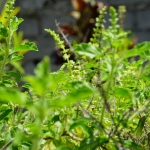
Helichrysum italicum, also known as sandy everlasting or immortelle, is a perennial herb native to the Mediterranean region. It is renowned for its vibrant yellow flowers and a distinctive, curry-like aroma. Traditionally, it has been used across European herbal medicine systems for a variety of purposes[4]. The plant is available in several forms for modern use, including dried herb for infusions (tea), extracts, and a highly concentrated Helichrysum essential oil derived from its flowers.
Why Is Helichrysum Italicum Important?
In an era where people are increasingly seeking natural supports for wellness, herbs with a strong traditional foundation and emerging scientific validation are particularly valuable. Helichrysum italicum bridges this gap. Its uses in folk medicine are now being explored through clinical and laboratory studies, offering a more evidence-based perspective on its potential benefits for inflammation, skin health, metabolic function, and more[1]. Understanding this herb provides a clearer picture of how natural compounds can interact with our biology.
Top Benefits & Uses of Helichrysum Italicum
The research into sandy everlasting points to several promising areas of benefit. Here is a detailed look at the key uses supported by studies.
1. Anti-Inflammatory and Antioxidant Actions
A foundational study[2] identified significant anti-inflammatory and antioxidant properties in Helichrysum italicum extracts. This is crucial because chronic inflammation and oxidative stress are underlying factors in many health conditions. Another study[5] isolated a specific compound from the plant that acts as a dual inhibitor of arachidonate metabolism, a key pathway in the inflammatory response.
2. Antimicrobial and Antifungal Support
Research indicates Helichrysum italicum may help combat certain microbes. One study[6] found that its extract interfered with the production of enterotoxins by Staphylococcus aureus. Furthermore, the essential oil of a specific subspecies (Helichrysum italicum G. Don ssp. microphyllum) demonstrated antifungal activity[7], suggesting potential applications in fighting fungal infections.
3. Support for Metabolic Health and Blood Sugar
Recent human trials have explored Helichrysum italicum’s role in metabolic function. A 2022 double-blind, randomized comparative trial[3] investigated Helichrysum italicum and Helichrysum arenarium infusions for reversing traits of metabolic syndrome. A 2021 pilot study[8] found that an infusion of Helichrysum italicum ssp. italicum promoted fat oxidation in liver cells and stimulated energy expenditure and fat oxidation after acute ingestion in humans. An animal study[9] also showed that Helichrysum and grapefruit extracts inhibited carbohydrate digestion and absorption, improving postprandial glucose levels and hyperinsulinemia in rats.
4. Skin Health and Wound Healing
The application of Helichrysum italicum essential oil for skin is a popular traditional use, and modern research is beginning to validate this. A 2021 study[10] formulated and evaluated Helichrysum italicum essential oil-based topical formulations for wound healing in diabetic rats. A follow-up 2022 study[11] confirmed that an immortelle essential oil-based ointment improves wound healing in a diabetic rat model. It’s important to note that direct skin application can carry risks, as a case report[12] documented allergic contact dermatitis caused by Helichrysum italicum contained in an emollient cream.
5. Relief for Cough in Children
A specific commercial formulation containing Helichrysum has been studied for respiratory support. A 2021 randomized, double-blind, placebo-controlled clinical trial[13] evaluated the efficacy and safety of the syrup “KalobaTUSS®” as a treatment for cough in children, finding it to be a beneficial option.
Safety, Side Effects & Precautions
While generally considered safe when used appropriately, it is crucial to be aware of potential Helichrysum side effects and precautions.
- Allergic Reactions: As noted, topical use of Helichrysum italicum, particularly in essential oil form, can cause allergic contact dermatitis[12]. Always dilute essential oils properly and perform a patch test before widespread use.
- Regulatory Status: In some regions, certain preparations of Helichrysum italicum may fall under regulations for substances generally recognized as safe (GRAS) for specific uses[14]. However, this does not equate to a universal safety guarantee for all applications or doses.
- Drug Interactions: There is currently limited specific data on drug interactions with Helichrysum italicum. However, given its potential effects on metabolic pathways and inflammation, it is prudent to consult a healthcare provider if you are on prescription medications, especially for diabetes or inflammatory conditions.
- Use in Special Populations: Safety data for use during pregnancy or breastfeeding is insufficient. It is recommended that pregnant or nursing women avoid using Helichrysum italicum supplements or essential oil due to the lack of established safety profiles.
Dosage & How to Use Helichrysum Italicum Safely
Helichrysum italicum dosing is not standardized, as it depends heavily on the form used and the intended purpose. Here are the common forms and usage notes based on available research and traditional guidelines.
- Infusion (Tea): The dried herb can be used to make a tea. Human trials[3][8] have studied the effects of infusions, but specific daily dosage amounts for general consumption are not well-defined in the literature.
- Extracts: Concentrated extracts are used in research settings[2][5]. Commercial extract products should be used according to the manufacturer’s instructions, as potency can vary widely.
- Helichrysum Essential Oil: This is a highly concentrated form used primarily in aromatherapy and topical applications. It must always be diluted with a carrier oil (like jojoba or almond oil) before skin application to minimize risk of irritation or allergy[12]. Typical dilutions range from 1% to 5% essential oil in carrier oil.
- Topical Formulations (Ointments/Creams): Studies on wound healing[10][11] used specifically formulated ointments containing the essential oil. These are not general-use products and should be applied as directed in clinical or research contexts.
- Syrup Formulations: For cough relief in children, the studied syrup “KalobaTUSS®”[13] provides a specific, pre-measured dosage. Do not substitute with homemade preparations.
- General Advice: Due to the variance in forms and potencies, there is no single recommended daily dose for Helichrysum italicum. The most important rule is to follow the usage instructions provided with any commercial product carefully.
- Consultation is Key: Before starting any new herbal regimen, especially for managing a specific health condition, consulting with a qualified healthcare professional or herbalist is essential to determine an appropriate and safe form and dosage for your individual needs.
The Bottom Line
Helichrysum italicum, or sandy everlasting, is an herb with a rich traditional history that is now being illuminated by scientific research. Studies suggest potential benefits for inflammation, antioxidant support, metabolic health, skin healing, and cough relief. However, it is not a cure-all, and its use requires caution – particularly regarding topical allergies and the lack of standardized dosing. If you’re interested in exploring the Helichrysum italicum benefits, prioritize high-quality sources, start with low doses, and seek professional guidance to integrate this intriguing plant into your wellness approach safely.
Frequently Asked Questions
What is Helichrysum italicum used for?
Helichrysum italicum is commonly used for its anti-inflammatory, antioxidant, skin-healing, and antimicrobial properties. It is also being studied for metabolic health and respiratory support.
Is Helichrysum italicum safe to use daily?
There is no standardized daily dosage. While generally safe in moderate use, long-term daily use should be guided by a healthcare professional.
Can Helichrysum essential oil be applied directly to the skin?
No. It should always be diluted with a carrier oil, as direct application may cause irritation or allergic reactions.
Are there any side effects of Helichrysum italicum?
Possible side effects include allergic skin reactions, especially from essential oil use. Safety data is limited for pregnancy and breastfeeding.
What is the best way to consume Helichrysum italicum?
It can be consumed as tea (infusion), used as extracts, or applied topically in diluted essential oil form depending on the intended use.
You May also Like


Why Trust SuppFactsDaily
Confused by supplements, nutrition advice, and endless health trends? SuppFactsDaily cuts through the noise with clear, science-backed insights on supplements, health, wellness, and nutrition you can actually trust. Every article is built using credible sources like NIH, Cleveland Clinic, and leading medical institutions.
No hype. No guesswork. Just practical guidance to help you make smarter health decisions with confidence.
Image Credits
Photo by Bogdan Farca on Unsplash
References
[1] Helichrysum italicum: from traditional use to scientific data
[2] Anti-inflammatory and antioxidant properties of Helichrysum italicum
[4] The Complete German Commission E Monographs: Therapeutic Guide to Herbal Medicines
[5] A new dual inhibitor of arachidonate metabolism isolated from Helichrysum italicum
[6] Helichrysum italicum extract interferes with the production of enterotoxins by Staphylococcus aureus
[11] Immortelle essential oil-based ointment improves wound healing in a diabetic rat model
[12] Allergic contact dermatitis caused by Helichrysum italicum contained in an emollient cream
[13] Efficacy and safety of the syrup “KalobaTUSS®” as a treatment for cough in children
[14] Electronic Code of Federal Regulations. Title 21. Part 182 — Substances Generally Recognized As Safe