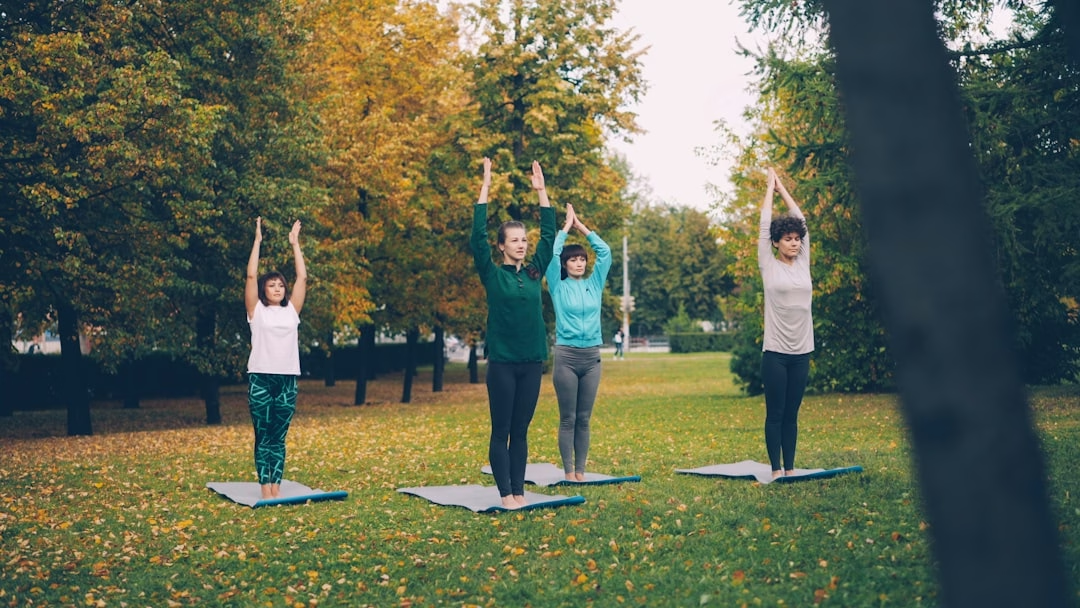
The key to aging gracefully isn’t found in medicine—it’s built through daily movement and strength.
The transformative power of exercise for seniors is one of the most effective tools for promoting healthy aging and maintaining independence. As we grow older, physical activity becomes even more critical, not just for fitness, but for building resilience against chronic disease, preventing falls, and supporting mental well-being.
Why Exercise Is Essential for Healthy Aging
Staying active is a cornerstone of healthy aging. Engaging in regular physical activity directly combats the natural decline in muscle mass, bone density, and balance that can occur with age. More than just a way to stay fit, consistent exercise is a powerful preventive health strategy that can help you live a longer, more vibrant, and independent life.
Why Senior Fitness Matters More Than Ever
The benefits of maintaining an active lifestyle in your later years are profound and wide-ranging. Research shows that regular physical activity can help prevent or reduce the chance of developing over [1] 30 chronic health problems common in older age. These include:
Heart disease
Diabetes
Lung disease
Bone loss (osteoporosis)
Depression
Dementia
Cancer
Conversely, not being physically active is linked to a higher risk of these conditions[2]. Crucially, the risk of falls and related injuries also rises with age[3], but a targeted senior workout routine can significantly reduce this risk. Beyond prevention, exercise supports treatment for existing conditions and, in some cases, may help reduce the need for certain medications or surgeries.
The 4 Pillars of a Complete Senior Fitness Routine
A well-rounded fitness plan for older adult exercise incorporates four essential pillars. This variety ensures all aspects of physical health are addressed and can aid recovery if a minor injury occurs[4].
1. Cardio for Heart Health & Endurance
Also known as aerobic exercise, this category is vital for heart health, lung capacity, and endurance. It gets your heart rate up and improves circulation. Excellent low-impact options include brisk walking, swimming, cycling, and dancing.
2. Build Strength to Protect Muscles & Joints
This is non-negotiable for maintaining and building muscle mass, which naturally declines with age. Stronger muscles support your joints, improve metabolism, and make daily tasks easier. You can use light dumbbells, resistance bands, or even your own body weight for effective strength training.
3. Improve Stability & Prevent Falls
Dedicated balance exercises for seniors are one of the most direct forms of fall prevention exercises. They train your body’s stability systems. Simple practices like standing on one leg (with a chair for support), heel-to-toe walking, or specific yoga poses can dramatically improve balance and confidence.
4. Stay Flexible & Injury-Free
Flexibility work keeps muscles long and joints nimble, reducing stiffness and the risk of injury. This can be achieved through gentle stretching routines, yoga, Pilates, or Tai Chi, all of which promote a greater range of motion.
Safety & Side Effects
Safety is paramount when beginning or continuing an exercise for seniors program. The most important rule is to listen to your body and stop immediately if you feel pain, dizziness, shortness of breath, or chest pressure[5]. Always consult your doctor before starting a new routine, especially if you have a chronic health condition. They may recommend a supervised program. For strength training, avoid locking your joints and start with lighter weights. During balance work, always have a sturdy chair or wall within reach for support and wear stable, non-slip footwear.
How to Proceed: The Official Guidelines
Global health authorities provide clear targets for older adult exercise. The CDC recommends that adults aged 65 and older aim for at least [6] 150 minutes of moderate-intensity aerobic activity (like brisk walking) per week. This can be broken into manageable sessions of 20 to 30 minutes, 5 to 7 days a week. If you are already physically fit, you can substitute this with 75 minutes of vigorous aerobic activity.In addition to aerobic activity, incorporate muscle-strengthening activities (strength training) on at least 2 days per week.
Also, include activities that improve balance, like standing on one foot, on at least 2 days per week. If you are new to exercise, start slowly with shorter sessions and lower intensity, gradually increasing both as your fitness improves.General best practices include always warming up before and cooling down after activity, staying well-hydrated, and seeking guidance from a qualified fitness professional if you are unsure about any movements.
The Bottom Line
Committing to regular exercise for seniors is one of the single most impactful choices you can make for your long-term health and independence. By combining 150 minutes of weekly moderate aerobic activity with twice-weekly strength and balance training, you build a powerful defense against chronic disease, falls, and functional decline. Start where you are, progress gradually, and always prioritize safety- your future self will thank you.
Frequently Asked Questions
What is the best exercise for seniors?
The best exercise routine for seniors includes a mix of walking (cardio), light strength training, balance exercises, and flexibility workouts like yoga or stretching.
How often should seniors exercise?
Seniors should aim for at least 150 minutes of moderate activity per week, along with strength and balance training at least twice a week.
What exercises help prevent falls in older adults?
Balance exercises such as standing on one leg, heel-to-toe walking, and Tai Chi are highly effective in reducing fall risk.
Exercise should be paused if there is chest pain, dizziness, severe shortness of breath, or joint pain. Medical advice is recommended before continuing.
Confused about how much exercise you really need as you age, or which workouts are actually safe and effective? SuppFactsDaily breaks it down with clear, science-backed guidance on senior fitness—helping you stay active, strong, and independent without confusion or guesswork.