White rice is a staple for a reason, but how you pair it can make all the difference.
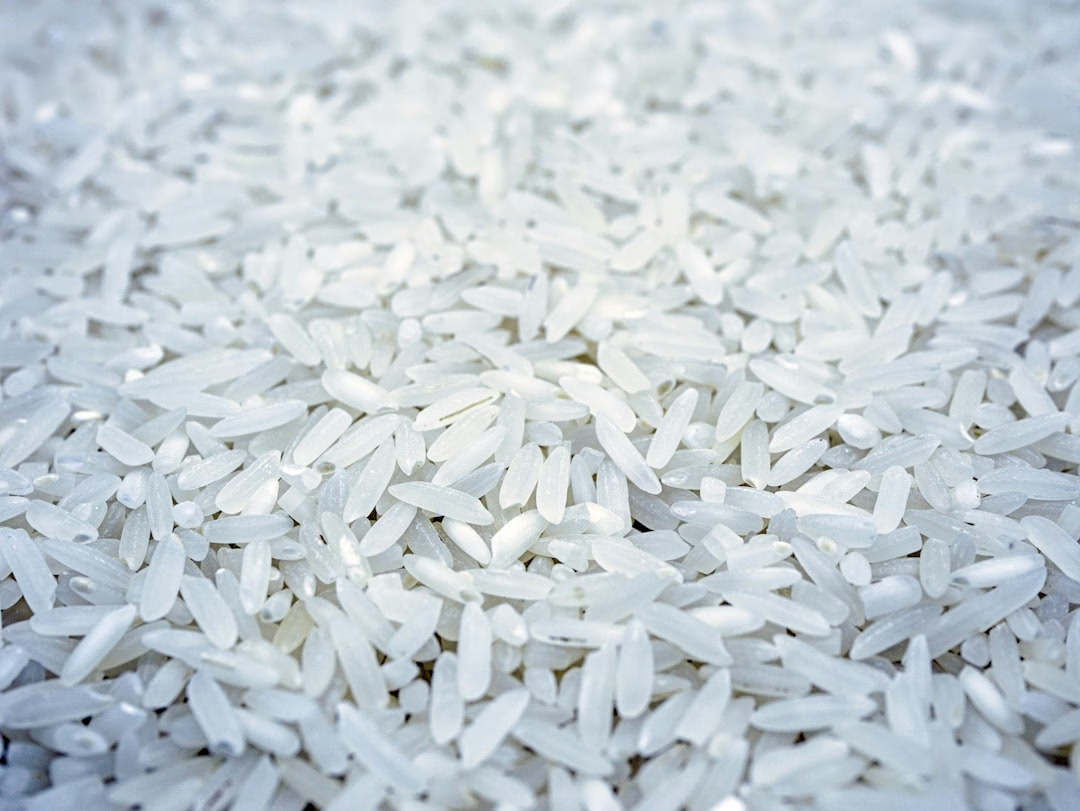
White rice has earned its place as a staple around the world, but how you serve and pair it can shape its role in a balanced diet. Exploring healthy ways to eat white rice can help you enjoy this familiar grain while creating meals that are more varied, satisfying, and nourishing.
What Does White Rice Offer Nutritionally?
Rice is a staple food in many cultures[1], with over 60% of the world’s population consuming it[2]. While white rice offers fewer nutrients, minerals, vitamins, and dietary fiber compared to brown rice[1], it remains more widely consumed due to cultural practices, faster cooking time, and a softer texture[3]. It is also more cost-effective. For example, a 320-ounce bag of white rice (over 200 servings) costs less than $9 USD, while purchasing the equivalent amount of brown rice would require 10 32-ounce bags costing over $13 USD.
Is White Rice a Healthy Choice?
The research on white rice’s health effects has been inconsistent. Some research suggests it may increase the risk of type 2 diabetes[4], while other studies[5] found that reheating refrigerated white rice for 24 hours after cooking can lower blood sugar levels due to the activation of resistant starch[6]. The key is understanding its nutritional profile and how to complement it.
| Nutrient | White Rice (1 cup cooked) | Brown Rice (1 cup cooked) |
|---|---|---|
| Calories | 194 | 228 |
| Carbs (grams) | 41.1 | 48.5 |
| Protein (grams) | 4.6 | 4.8 |
| Fat (grams) | 0.6 | 1.3 |
| Dietary Fiber (grams) | 1.4 | 2.6 |
| Phosphorus (% DV) | 7% | 12% |
| Selenium (% DV) | 27% | 27% |
| Niacin (% DV) | 23% | 18% |
White rice offers fewer calories, carbs, fat, and dietary fiber, and less phosphorus, but comparable protein and selenium. This shows it has nutritional benefits. Pairing it with fiber-rich and mineral-rich foods can boost your meal’s profile.
9 Healthy Ways to Eat White Rice
Here are nine practical, balanced methods to incorporate white rice into your diet.
1. Pair White Rice With Beans and Peas
Peas and beans are rich in dietary fiber[7] and antioxidants[8], which have been shown to improve gut health[9]. When paired with rice, they form a complete protein[10], which is vital for vegetarian and vegan diets. Enjoy white rice with stewed lentils, dhal (split peas), or black bean chili.
2. Add Vegetables to Your Rice
Non-starchy vegetables add dietary fiber and nutrients like calcium, vitamin C, iron, and folate that support health[11] and may protect against some cancers[12]. Examples include carrot rice, spinach rice, and pumpkin rice.
3. Build a Balanced Rice Plate
Following a balanced plate method, where half your plate is non-starchy vegetables and fruit, a quarter is protein (meat, fish, poultry), and a quarter is grains like white rice, encourages nutrient diversity and mindful servings. Serve a quarter-plate of white rice with a half-plate of cooked spinach and a quarter-plate of grilled fish.
4. Make a Nutrient-Rich One-Pot Rice Dish
One-pot meals like pelau (a Caribbean dish with caramelized chicken, rice, pigeon peas, herbs, spices, and vegetables) or South Indian sambar rice can be nutritious. Pair them with a side of non-starchy vegetables like carrot coleslaw or tossed salad for added fiber.
5. Build a Balanced Vegetarian Rice Bowl
Popular in Asian, Persian, and Spanish cultures, rice bowls combine smaller portions of rice with beans, vegetables (lettuce, onions, olives), healthy fats like avocado[13], and sauces. The inclusion of fats encourages the absorption of fat-soluble vitamins[14] and can help lower blood sugar spikes[15].
6. Try a Lean Protein Rice Bowl
Burrito bowls, similar to rice bowls, include toppings like lettuce, red onions, celery, corn, black beans, and cooked chicken, beef, pork, or plant-based proteins. Choosing lean cuts of meat reduces saturated fat intake, which research shows is beneficial for heart health[16]. Try toppings like Mongolian beef or smoked pork.
7. Pair White Rice With Fish
Consuming fish at least twice weekly is associated with a lower risk of cardiovascular disease[17]. Fish is an important source of heart-friendly omega-3 fatty acids[18]. Try curry fish, blackened creole fish with white rice, or a tuna fish and rice casserole, always including a non-starchy vegetable side.
8. Use White Rice in Stuffed Bell Peppers
Bell peppers contain capsaicin, a phytochemical with potential benefits against cancer[19] and demonstrated anti-inflammatory properties[20]. Stuffed bell peppers offer a clever way to enjoy white rice and vegetables together.
9. Try Air-Fried Rice Croquettes
Croquettes are dumplings usually battered and deep-fried. To make a healthier version with white rice, combine 1 cup cooked white rice with shredded, cooked, low-fat turkey, shredded cheese, breadcrumbs, and eggs. Form into shapes, cover with breadcrumbs, and air-fry for 10–15 minutes at 350 ℉ (177 ℃).
White Rice and Diabetes: What You Need to Know
White rice often gets a bad reputation because it is a refined grain and can cause a relatively rapid rise in blood glucose. But that does not mean everyone needs to eliminate it. The more important questions are how much you eat, how often you eat it, what you pair it with, and how your body responds to it.
Does White Rice Increase Diabetes Risk?
Research has found an association between higher white rice consumption and a greater risk of developing type 2 diabetes, particularly in populations where rice is consumed frequently and in large amounts. A systematic review and meta-analysis found that higher white rice intake was associated with increased type 2 diabetes risk, while brown rice intake was associated with a lower risk. However, these findings describe population-level associations and do not mean that eating white rice directly causes diabetes in every individual.
The difference may partly relate to the way white rice is processed. Milling removes the bran and germ, leaving a grain that is generally lower in fiber than brown rice. Because white rice is also carbohydrate-rich and can have a higher glycemic impact depending on the variety and preparation, regularly eating large portions may make blood glucose management more challenging.
However, the evidence is more nuanced than simply labeling white rice as “bad.” Diet quality, physical activity, overall carbohydrate intake, portion size, and the foods eaten alongside rice all contribute to metabolic health.
Can People With Diabetes Eat White Rice?
Yes, people with diabetes can include white rice in their diet, but portion control and meal composition are especially important. The American Diabetes Association’s Diabetes Plate method recommends making about one-quarter of a 9-inch plate a carbohydrate-containing food, with half the plate made up of non-starchy vegetables and one-quarter protein.
Instead of treating rice as the centerpiece of the meal, consider it one component of a balanced plate.
For example:
- ¼ plate: White rice
- ¼ plate: Fish, chicken, tofu, eggs, beans, or lentils
- ½ plate: Non-starchy vegetables
This approach can help reduce the amount of carbohydrate concentrated in one meal while adding protein and fiber-rich foods.
People with diabetes may also benefit from paying attention to their own blood glucose response. Rice varieties, cooking methods, portion sizes, and meal combinations can all influence the post-meal glucose response. If you have diabetes, your healthcare professional or registered dietitian can help determine a carbohydrate amount that fits your medication, activity level, and glucose-management goals.
Is White Rice Gluten-Free?
Yes. Rice is naturally gluten-free, including both white and brown rice. The Celiac Disease Foundation lists rice among naturally gluten-free grains and starches.
This makes plain rice a useful carbohydrate option for people who need to follow a gluten-free diet because of celiac disease or another medically necessary reason.
However, plain rice and a rice-based dish are not necessarily the same thing. Seasoning mixes, sauces, broths, fried-rice ingredients, prepared rice products, and cross-contact during processing can introduce gluten. People who need to strictly avoid gluten should check ingredient labels and choose products that are certified or tested gluten-free when appropriate.
Who May Need to Limit or Avoid White Rice?
There is no universal rule that healthy people must avoid white rice. However, some people may need to be more deliberate about how much they eat.
- People with diabetes or prediabetes: Large portions of carbohydrate-rich foods can make blood glucose management more difficult, so portion size and meal composition matter.
- People with insulin resistance or metabolic risk factors: Replacing some refined grains with higher-fiber whole grains may be a useful dietary strategy as part of an overall healthy eating pattern.
- People who rely heavily on white rice: If rice makes up a very large share of the diet, it may crowd out vegetables, legumes, whole grains, and other nutrient-rich foods. Increasing dietary variety can improve overall nutrient intake.
- People with celiac disease: Plain rice is naturally gluten-free, so it does not need to be avoided because of gluten. The important consideration is whether the rice or prepared dish has been contaminated with gluten-containing ingredients.
- People with a medically prescribed diet: Individuals with specific medical or nutritional needs should follow the dietary guidance provided by their healthcare professional rather than making major dietary changes based solely on general information.
The Bottom Line
White rice is a cultural staple whose health effects are nuanced. While some research links it to increased diabetes risk, other studies show potential blood sugar benefits when prepared correctly. It contains valuable minerals, is low in calories and fat, and can fit into a healthy diet when paired strategically. The key to healthy ways to eat white rice is combining it with fiber-rich foods like peas, beans, and vegetables, as well as lean proteins like fish and poultry, to create balanced, nutritious, and satisfying meals.
Frequently Asked Questions
Is white rice bad for blood sugar?
White rice can raise blood glucose because it is a carbohydrate-rich food, and its effect can vary depending on the portion and what it is eaten with. Pairing it with fiber-rich foods, protein, and healthy fats may help create a more balanced meal.
Is brown rice healthier than white rice?
Brown rice generally contains more dietary fiber and certain nutrients because it retains more of the grain’s outer layers. However, white rice can still fit into a nutritious eating pattern, particularly when paired with nutrient-dense foods.
How much white rice should I eat in one meal?
There is no single portion that works for everyone, but a useful starting point is to make cooked rice about one-quarter of your plate. Fill the remaining space with vegetables and protein, adjusting the amount based on your hunger, activity level, and nutritional needs.
Does rinsing white rice make it healthier?
Rinsing rice can remove some surface starch and may make the cooked grains less sticky, but it does not significantly transform its overall nutritional profile. Rinsing is mainly a cooking preference rather than a major health strategy.
How should I store leftover white rice safely?
Refrigerate leftover rice promptly in a shallow container, ideally within one hour of cooking, and use it within a few days. Reheat it until steaming hot, and avoid repeatedly cooling and reheating the same portion.
You May Also Like


Why Trust SuppFactsDaily
Confused by supplements, nutrition advice, and endless health trends? SuppFactsDaily cuts through the noise with clear, science-backed insights on supplements, health, wellness, and nutrition you can actually trust. Every article is built using credible sources like NIH, Cleveland Clinic, and leading medical institutions.
No hype. No guesswork. Just practical guidance to help you make smarter health decisions with confidence.
Image Credits
Photo by Daniela Paola Alchapar on Unsplash
References
[1] Rice Production and Consumption
[2] Global Rice Consumption Statistics
[3] Texture and Preference for White Rice
[4] White Rice and Type 2 Diabetes Risk
[5] Refrigerated White Rice and Blood Sugar
[6] Benefits of Resistant Starch
[10] Rice and Legumes as Complete Protein
[11] Nutrients in Vegetables and Health Support
[12] Vegetables and Cancer Protection
[13] Health Benefits of Avocado
[14] Fat and Absorption of Fat-Soluble Vitamins
[15] Fat and Blood Sugar Regulation
[16] Lean Meat and Heart Health
[17] Fish Consumption and Cardiovascular Disease Risk
[18] Omega-3 Fatty Acids in Fish