Your gut and mind are deeply connected—and yoga may help bring both back to a calmer place.
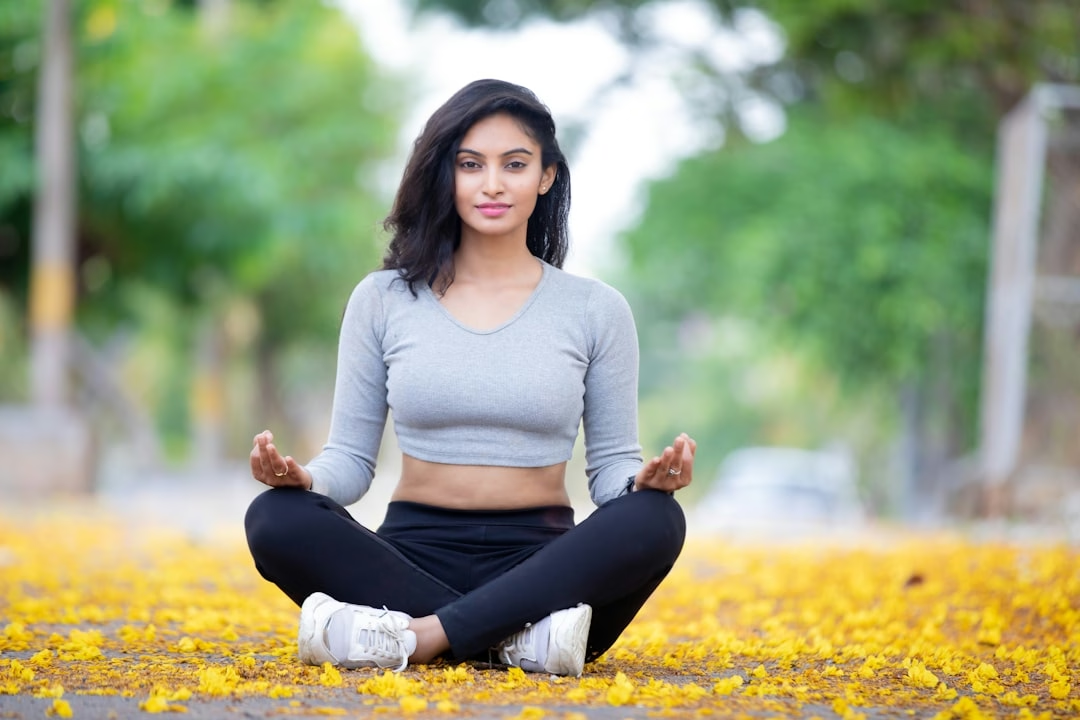
For those managing ulcerative colitis, finding effective stress management tools is a critical part of holistic care, and yoga for ulcerative colitis offers a promising, science-backed approach. Ulcerative colitis (UC) is a chronic inflammatory bowel disease (IBD) characterized by inflammation and ulcers in the lining of the large intestine and rectum. While it requires dedicated medical treatment, research indicates that mind-body practices like yoga can be a powerful complementary strategy for improving quality of life and managing a common symptom trigger.
Understanding the Mind-Gut Connection in Ulcerative Colitis
The relationship between stress and gut health is well-documented, particularly in conditions like ulcerative colitis. Psychological stress is a recognized[1] trigger for UC flares, creating a cycle where disease symptoms increase stress, which in turn can worsen symptoms. This is where the holistic practice of yoga for ulcerative colitis becomes relevant. Yoga is a mind-body discipline that integrates physical postures (asanas), controlled breathing (pranayama), and meditation.
How Can Yoga Help Manage Ulcerative Colitis?
Yoga is not a standalone treatment for UC, and it is essential to continue following your doctor’s prescribed treatment plan. However, incorporating yoga can address key aspects of living with a chronic condition. A 2020 study[2] found that yoga helped relieve stress, which mediated improvements in both quality of life and disease activity scores in people with ulcerative colitis. By promoting relaxation and body awareness, yoga for IBD can be a valuable tool for overall well-being.
8 Gentle Yoga Poses for Ulcerative Colitis
These poses are selected for their stress-relieving and gentle digestive benefits. Always listen to your body and avoid any pose that causes pain or discomfort, especially during a flare.
1. Child’s Pose (Balasana)
This restorative pose helps stretch the lower back, thighs, and ankles and is renowned for promoting a sense of calm and relieving stress[3].
- Begin on your hands and knees with knees spread wide and big toes touching.
- Sit your hips back to rest your buttocks on your heels.
- Fold forward, allowing your belly to rest between your thighs, and rest your forehead on the floor, a yoga block, or a pillow.
- Extend your arms forward on the floor and relax your shoulders, arms, neck, and face.
Hold for 1 minute or longer.
2. Cat-Cow Pose (Marjaryasana-Bitilasana)
This gentle flow mobilizes the spine and can help release tension in the back and abdominal area.
- Start on hands and knees, wrists under shoulders and knees under hips.
- Inhale: Arch your spine, lifting your tailbone, chest, and chin toward the ceiling. Keep your neck long.
- Exhale: Round your spine, dropping your tailbone and drawing your belly button up. Release your head toward the floor.
Repeat this sequence 5 to 10 times.
3. Chair Pose (Utkatasana)
Often described as a powerful posture[4], this pose builds strength and stability throughout the entire body.
- Stand with feet parallel and hip-width apart, arms by your sides.
- Inhale and raise your arms overhead, keeping biceps slightly in front of your ears.
- Exhale and slowly sit back as if into a chair, bending your knees. Keep your knees behind your toes and your lower back long.
Hold for up to 1 minute.
4. Warrior I Pose (Virabhadrasana I)
This foundational standing pose engages all major muscle groups, promoting strength, focus, and stability.
- Stand with feet hip-width apart. Step one foot forward about 4 to 5 feet. Pivot your back foot to a 45-degree angle.
- Exhale and bend your front knee until the thigh is roughly parallel to the floor, knee above the ankle. Keep the back leg straight.
- Raise your arms overhead, shoulders relaxed away from ears. Gaze gently upward.
Hold for up to 1 minute, then repeat on the other side.
5. Bound Angle Pose (Baddha Konasana)
This seated pose can help relieve stress and improve mental health when practiced regularly[5].
- Sit with a straight back and legs extended. Bend your knees and draw your heels toward your pelvis.
- Press the soles of your feet together and let your knees fall open to the sides. Hold your feet or ankles.
- Inhale to lengthen your spine. To deepen, you can gently fold forward from the hips on an exhale, keeping the spine long.
Hold for up to 1 minute.
6. Seated Half Spinal Twist (Ardha Matsyendrasana)
This twist can stretch the thigh and back muscles and is another pose noted for its stress-relieving potential[5].
- Sit with legs extended. Bend your right knee and place the foot flat on the floor outside your left thigh.
- Place your right hand behind you. Hug your right knee with your left arm.
- Inhale to lengthen your spine. Exhale to gently twist to the right, keeping your neck aligned.
Hold for 3 to 5 breaths, release, and repeat on the other side. Never force the twist.
7. Wind-Relieving Pose (Pavanamuktasana)
This pose may help relieve excess gas buildup in the intestines, potentially easing symptoms like bloating and supporting digestion[6].
- Lie on your back with legs extended.
- Inhale, bend your right knee toward your chest, and clasp it with both hands.
- Exhale and gently pull the knee closer to your chest.
Hold for 5 to 8 breaths, then repeat with the left leg.
8. Corpse Pose (Shavasana)
This final relaxation pose facilitates deep stress and fatigue release, taking you to a state beyond simple relaxation[7].
- Lie flat on your back, legs extended, arms by your sides with palms facing up.
- Allow your entire body to relax and sink into the floor. Close your eyes if comfortable.
Rest in this position for several minutes, focusing on natural breath.
Yoga Safety Tips for Ulcerative Colitis
Yoga is generally safe, but it requires mindfulness, especially with a condition like UC.
- Not a Standalone Treatment: Yoga is a complementary practice. It does not replace your prescribed medical treatment plan for ulcerative colitis.
- Consult an Instructor: If you are new to yoga, have any injuries, or are pregnant, consider speaking with a qualified yoga instructor first. They can recommend safe modifications.
- Listen to Your Body: Avoid poses that cause pain or discomfort. Be especially gentle with twists and forward folds during active flares.
- Start Slowly: Begin with short sessions and gentle poses, gradually increasing duration and intensity as tolerated.
How to Practice Yoga Safely With Ulcerative Colitis
Integrating yoga for ulcerative colitis into your routine is about consistency and self-awareness.
- Timing: Practice during remission or when symptoms are mild. A short, gentle session is better than none.
- Frequency: Aim for regular practice, even if only for 10-15 minutes a day, to build the stress-management benefits.
- Environment: Create a calm, comfortable space free from distractions.
- Focus on Breath: The breathing component (pranayama) is as important as the physical poses for stress relief.
- Modify as Needed: Use props like pillows, blocks, and blankets for support and comfort.
- Combine Poses: A simple routine could include 1-2 standing poses (like Warrior I), 2-3 seated/floor poses (like Bound Angle and Wind-Relieving), and always end with Shavasana.
- Hydration: Drink water before and after your practice, but avoid large amounts immediately before.
The Bottom Line
Managing ulcerative colitis effectively often requires a multi-faceted approach. While medical treatment is paramount, evidence supports the role of mind-body practices for UC like yoga in managing stress, a key flare trigger. The eight poses outlined here offer a starting point for a gentle, supportive practice that can improve overall well-being and quality of life. Remember to consult with your healthcare provider and a qualified yoga instructor to ensure your practice is safe and tailored to your needs.
Frequently Asked Questions
Can yoga help with ulcerative colitis?
Yoga may help people with UC manage stress and improve quality of life, but it should be used alongside—not instead of—medical treatment.
Is yoga safe during an ulcerative colitis flare?
Gentle yoga may be appropriate for some people, but active flares can require extra caution. Avoid poses that cause pain or discomfort and speak with your healthcare provider if symptoms are significant.
How long should I practice yoga for ulcerative colitis?
You can start with 10–15 minutes of gentle yoga and gradually increase the duration as comfortable.
Should I practice yoga during remission?
Remission may be a more comfortable time to establish a regular yoga routine. Even then, choose gentle movements and adjust your practice to how you feel.
Can breathing exercises help with ulcerative colitis?
Breathing exercises may support relaxation and stress management, which can be useful as part of a broader approach to managing life with UC.
You May Also Like



Why Trust SuppFactsDaily
Confused by supplements, nutrition advice, and endless health trends? SuppFactsDaily cuts through the noise with clear, science-backed insights on supplements, health, wellness, and nutrition you can actually trust. Every article is built using credible sources like NIH, Cleveland Clinic, and leading medical institutions.
No hype. No guesswork. Just practical guidance to help you make smarter health decisions with confidence.
Image Credits
Photo by Anil Sharma on Unsplash
References
Pingback: Zinc Deficiency: 6 Signs, Causes & How to Fix It - SuppFactsDaily