Sometimes, better rest begins with slowing down, breathing deeply, and giving yourself a moment of calm.
Yoga mudras for sleep are ancient hand gestures that can help improve your slumber, and research also suggests they may aid with asthma, inflammation, and high blood pressure.
What Are Yoga Mudras?
Before modern medicine, practices like yoga, meditation, and tai chi offered stress-reducing techniques that indirectly supported sleep, and these included mudras—hand gestures meant to stimulate energies in the body, mind, and spirit.
What Does “Mudra” Mean?
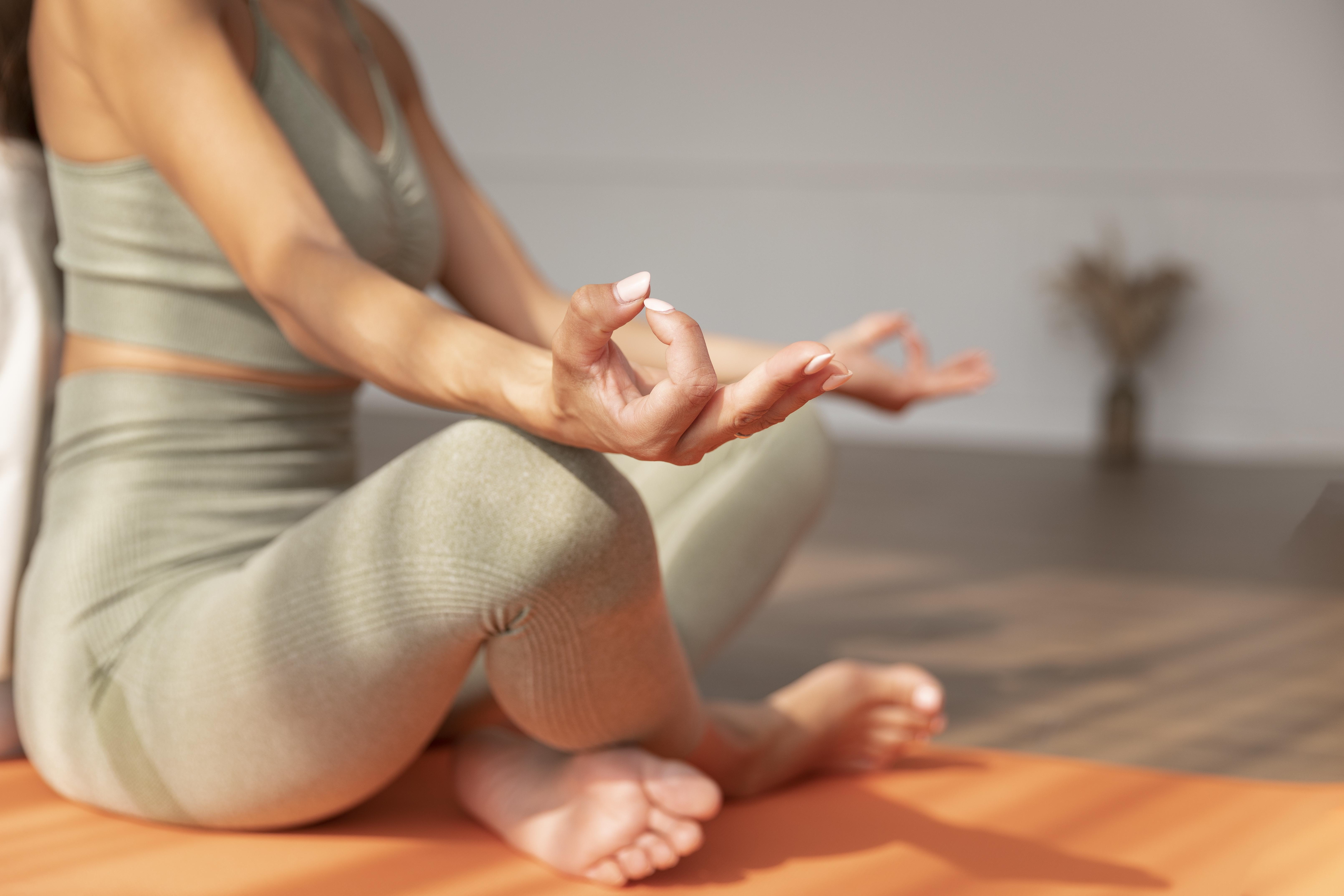
“Mudra” is a Sanskrit term meaning “gesture.” In yogic practices, it refers to specific hand positions, often involving gentle pressure between fingertips, held for a few seconds to long meditation sessions.
Mudras in Indian Classical Dance
Mudras are also common in Indian classical dance, considered a form of Bhakti or devotional yoga.
What Does Mudra Mean in Hindi?
In Hindi, the word mudra can also mean token, currency, or seal, with each hand pose representing a closed loop believed to seal spiritual energy within the body.
What Is Hasta Yoga?
The term “Hastha yoga” is used to refer to hand-based yoga techniques like mudras.
How Do Yoga Mudras Work?
Our hands have a network of nerves and nerve endings, and practitioners believe mudras stimulate these nerves, communicating with the brain to facilitate energy flow and mental states.
1. The Traditional Beliefs Behind Mudras
Mudras facilitate the flow of energy in the body, affecting certain states of mind and maintaining equilibrium in the five elemental energies for a healthy life.
2. Mudras and the Mind-Body Connection
Mudras act as pathways to rewire the brain, with each area of the hand corresponding to a part of the mind or body, creating a mind-body connection.
3. Prana, Chakras, and Yogic Traditions
Mudras can lead to the awakening of prana (life force), chakras (energy centers), and Kundalini shakti (energy of creation coiled at the base of the spine).
4. Ayurvedic Principle of Five Elements
Mudras work on the Ayurvedic principle of Pancha tattva, the five fundamental elements our body is made of, represented by the five fingers.
5. Mudras and the Five Elements
When fingertips are pressed together, the corresponding elements are stimulated:
Thumb: fire or “agni”
Index finger: air or “vayu”
Middle finger: air or “akash”
Ring finger: earth or “prithvi”
Little finger: water or “jal”
6. Corresponding Chakras and Locations
Finger
Element
Chakra
Location
thumb
fire
solar plexus
above the navel
index finger
air
heart
center of the chest
middle finger
air
throat
hollow of the throat
ring finger
earth
root
base of the spine
little finger
water
sacral
between the sacrum and perineum
Can Yoga Mudras Help You Sleep Better?
Yoga mudras for sleep offer a complementary approach to improving slumber, though more research is needed to confirm their effectiveness.
Potential Benefits of Yoga Mudras
Beyond sleep, mudras are believed to help with asthma, inflammation, and high blood pressure, based on ancient wisdom and cultural practices.
What Does the Research Say?
There isn’t a lot of peer-reviewed scientific research specifically on mudras for sleep, but they are considered a culturally relevant practice in Indian studies.
Mudras, Stress, and Relaxation
Mudras are believed to have been used in ancient times to relieve stress and are mentioned in Indian studies for various ailments.
What a Small Study Found
A small 2018 study[1] explores mudras, though more research is needed to establish their effects on sleep.
Can Mudras Replace Sleep Treatment?
While mudras may help with sleeping more soundly, they should complement, not replace, medical advice, diagnosis, or treatment.
How to Practice Yoga Mudras for Sleep
To practice yoga mudras for sleep effectively, follow expert recommendations and consider cultural context.
1. Learn From a Qualified Teacher
It’s recommended to seek out an experienced and culturally competent teacher for proper instruction, as mudras are an advanced yogic practice.
2. Preparation Tips
Before starting, rub the fronts and backs of your hands together to heat them up and activate nerve endings, then relax and pay attention to sensations.
3. Practice Positions for Sleep
Mudras for sleep can be practiced lying down, with hands on your chest, navel, or beside your hips, and there’s no harm if you fall asleep while holding the mudra.
4. Duration and Consistency
Measurable results are observed with daily practice over an extended period, often including meditation to reduce stress and anxiety.
Understanding the Cultural Context of Mudras
Yoga mudras have deep roots in Hindu and Buddhist traditions, requiring respect and understanding.
1. The History of Mudras in Indian Traditions
Mudras are common in Indian classical dance and Hindu rituals, with the ancient Natyashastra text mentioning 37 mudras and their energetic functions.
2. Mudras in Buddhism
In Buddhism, mudras represent events in Buddha’s life and are seen as blessings or transmissions of meditative states.
3. Mudras, Mantras, and Rituals
Yoga mudras are often paired with chanting of mantras or spiritual prayers, holding religious and cultural meaning.
4. Ritualistic Practice
Yoga, mudras, and meditation are inherently ritualistic and require trained guidance for correct performance.
5. Environment and Mutual Respect
The practice benefits from an environment of mutual respect, with each element and the setting impacting its effectiveness.
Are Yoga Mudras Safe?
Yoga mudras for sleep are generally safe when practiced correctly, but they should not replace medical treatment. There are no specific side effects mentioned, but improper practice without guidance could lead to discomfort or misunderstanding of the cultural context. Always consult health authorities for sleep disorders and use mudras as a complementary approach.
A Simple Bedtime Mudra Routine
For yoga mudras for sleep, practice daily over an extended period for best results. Hold each mudra for a few seconds to several minutes, as comfortable. There’s no strict dosage; consistency is key. Practice lying down before sleep, with hands positioned on chest, navel, or beside hips. Incorporate meditation to enhance stress reduction.
The Bottom Line
Yoga mudras for sleep are ancient hand gestures that may help improve slumber and overall wellness, though more research is needed. They work on principles of energy flow and elemental balance, and when practiced with guidance and respect for cultural traditions, they can be a valuable complementary tool for stress reduction and better sleep.
Frequently Asked Questions
Can beginners practice yoga mudras for sleep?
Yes. Beginners can explore simple mudras as part of a relaxing bedtime routine. Start comfortably, avoid forcing your fingers into a position, and consider learning from a qualified instructor if you’re unfamiliar with the practice.
Can I practice a mudra while lying in bed?
Yes. A mudra can be practiced while lying down if that position feels comfortable and allows you to relax. There is no need to maintain a rigid posture solely for the sake of the practice.
Should I practice yoga mudras before or after meditation?
Either can work. Some people may find it relaxing to hold a mudra during meditation, while others may prefer using it afterward as part of a quiet transition toward bedtime.
Can children practice yoga mudras for sleep?
Simple hand gestures may be incorporated into relaxation activities for children, but practices involving spiritual or cultural traditions should be introduced appropriately and with guidance from a knowledgeable adult or teacher.
Can I combine yoga mudras with other relaxation techniques?
Yes. A mudra can be incorporated into a broader wind-down routine that may include slow breathing, meditation, gentle stretching, or reducing stimulating activities before bed.
Confused by supplements, nutrition advice, and endless health trends? SuppFactsDaily cuts through the noise with clear, science-backed insights on supplements, health, wellness, and nutrition you can actually trust. Every article is built using credible sources like NIH, Cleveland Clinic, and leading medical institutions.
No hype. No guesswork. Just practical guidance to help you make smarter health decisions with confidence.


Pingback: Yoga for Beginners: 9 Easy Poses & How to Get Started - SuppFactsDaily