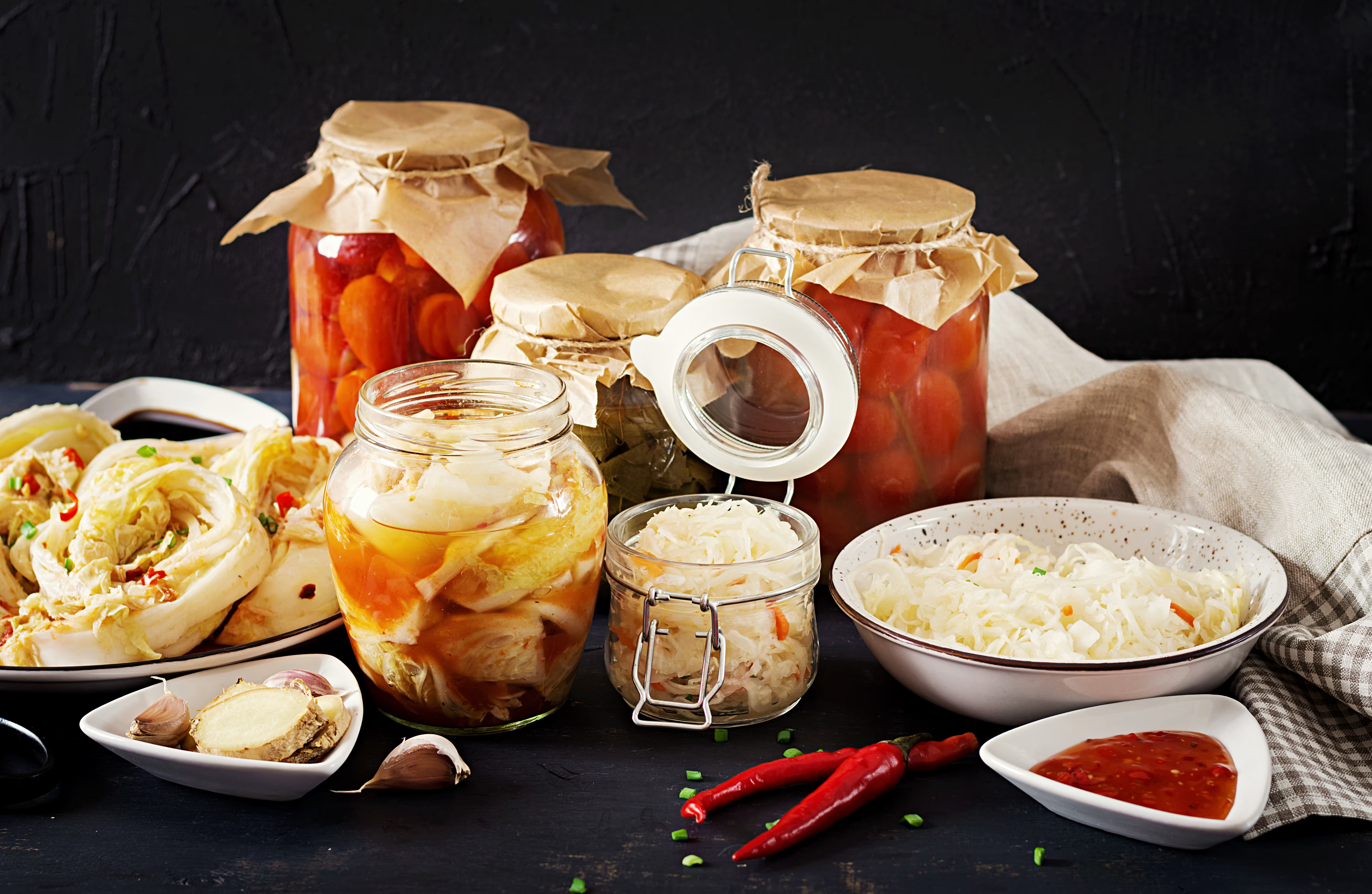
Your gut is home to a vast and constantly changing community of microorganisms that interacts closely with your body. What you eat can influence this delicate ecosystem, making everyday food choices an important part of maintaining a balanced and resilient microbiome.
Why Gut-Friendly Foods Matter for Your Microbiome
A balanced gut microbiome is essential for optimal digestion, nutrient absorption, and a well‑regulated immune response. When the microbial community is out of balance, inflammation can rise and chronic conditions may develop [1]. Think of probiotics as the beneficial bacteria themselves, and prebiotics as the fiber they love to eat.
How Gut-Friendly Foods Support Your Health
Research shows that a diverse, gut‑friendly foods‑rich diet can improve mood, skin clarity, and even cognitive function. By feeding the right microbes, you give your body the tools it needs to repair the gut lining, reduce systemic inflammation, and keep the immune system in check.
1. Fermented Vegetables for Probiotic Support
Fermented cabbage, known as sauerkraut, delivers live probiotic cultures and soluble fiber that help keep digestion smooth. Fresh, unpasteurized sauerkraut retains more vitamin C than its canned counterpart, so look for the refrigerated varieties.
Pro tip: Add a spoonful of sauerkraut to salads, grain bowls, or as a side to roasted meats for a quick probiotic boost.
2. Asparagus: A Prebiotic Powerhouse
Asparagus is rich in inulin, a type of indigestible fiber that fuels beneficial bacteria such as bifidobacteria and lactobacilli [2]. It also supplies B‑vitamins and antioxidant compounds that help calm inflammation.
Pro tip: Enjoy raw asparagus spears with a light dip to maximize its prebiotic effect.
3. Pineapple for Digestive Support
Pineapple contains bromelain, an enzyme that aids protein digestion and has anti‑inflammatory properties [3]. Studies suggest bromelain can reduce cytokine production, protecting the gut lining from damage.
Pro tip: Blend fresh pineapple into smoothies or enjoy the fruit on its own for a tasty digestive aid.
4. Onions and Garlic: Dual Prebiotic Champions
Both onions and garlic are loaded with inulin and fructooligosaccharides, which serve as food for probiotic bacteria. Onions also provide quercetin, a potent antioxidant, while garlic supplies allicin, a compound that forms when the cloves are crushed and offers antimicrobial benefits [4].
Pro tip: Dice raw onions into salads and mix minced garlic into dressings, guacamole, or marinades.
5. Bone Broth for Gut and Nutrient Support
Bone broth supplies collagen, gelatin, and a blend of minerals that support gut‑lining repair and immune function [5]. Regular consumption can help reduce intestinal permeability and soothe inflammation.
Pro tip: Simmer a batch of bone broth with vegetables and sip it throughout the day or use it as a base for soups.
6. Apple Cider Vinegar for Digestive Support
Apple cider vinegar stimulates digestive juices and modestly raises stomach acidity, which can improve nutrient breakdown. Its antimicrobial properties also help keep harmful bacteria in check.
Pro tip: Add a tablespoon of apple cider vinegar to salad dressings or drizzle it over roasted vegetables.
7. Kimchi for Probiotic and Fiber Support
Kimchi is a fermented mix of cabbage, radish, and spices that provides live probiotic cultures, fiber, and antioxidants. Regular consumption supports gut barrier integrity and offers a natural detoxifying effect.
Pro tip: Toss a spoonful of kimchi into grain bowls, tacos, or enjoy it as a side dish.
8. Ginger: Soothing Stomach Helper
Ginger contains gingerols that calm nausea, reduce stomach cramps, and possess anti‑inflammatory activity [5]. Adding fresh ginger to teas or smoothies can give your gut a gentle boost.
Pro tip: Slice fresh ginger into hot water for a calming tea or blend it into a green smoothie.
9. Dandelion Greens for Fiber and Digestive Support
Dandelion greens are packed with fiber, vitamins A and K, calcium, and iron. Their bitter compounds stimulate bile flow and support liver detoxification, while the fiber acts as a prebiotic.
Pro tip: Saute dandelion greens with a touch of olive oil and garlic for a nutrient‑dense side.
Safety & Side Effects
Most gut‑friendly foods are safe for the general population when consumed in typical culinary amounts. However, individuals with specific conditions should consider the following:
- Fermented foods: May cause gas or bloating in those new to probiotics.
- High‑fiber foods (asparagus, onions, garlic): Can trigger digestive discomfort if introduced rapidly; increase intake gradually and stay hydrated.
- Bone broth: Contains histamine; people with histamine intolerance should limit consumption.
- Apple cider vinegar: Its acidity can erode tooth enamel; dilute before drinking.
How to Incorporate Gut-Friendly Foods Into Your Diet
There is no one‑size‑fits‑all dosage, but the following guidelines can help you incorporate gut‑friendly foods into daily meals:
- Fermented vegetables: 1–2 tablespoons per day.
- Asparagus: 1 cup (about 8 spears) raw or lightly cooked.
- Pineapple: ½ cup fresh chunks.
- Onions & garlic: ½ cup raw onion and 1–2 cloves garlic.
- Bone broth: 1 cup warm broth.
- Apple cider vinegar: 1 tablespoon diluted in 8 oz water.
- Kimchi: ¼ cup as a side.
- Ginger: 1–2 teaspoons freshly grated.
- Dandelion greens: 1 cup sautéed.
Start with smaller portions and increase gradually to allow your gut microbiome to adapt.
The Bottom Line
Incorporating a variety of gut‑friendly foods, especially fermented vegetables, fibre-rich prebiotics, and mineral‑dense bone broth, provides the nutrients and live cultures your gut needs to thrive. Consistent consumption supports digestion, immune health, and even mental well‑being. Pair these foods with a balanced lifestyle for lasting gut resilience.