Muscle loss with age can happen quietly, but knowing the signs early can make a meaningful difference.
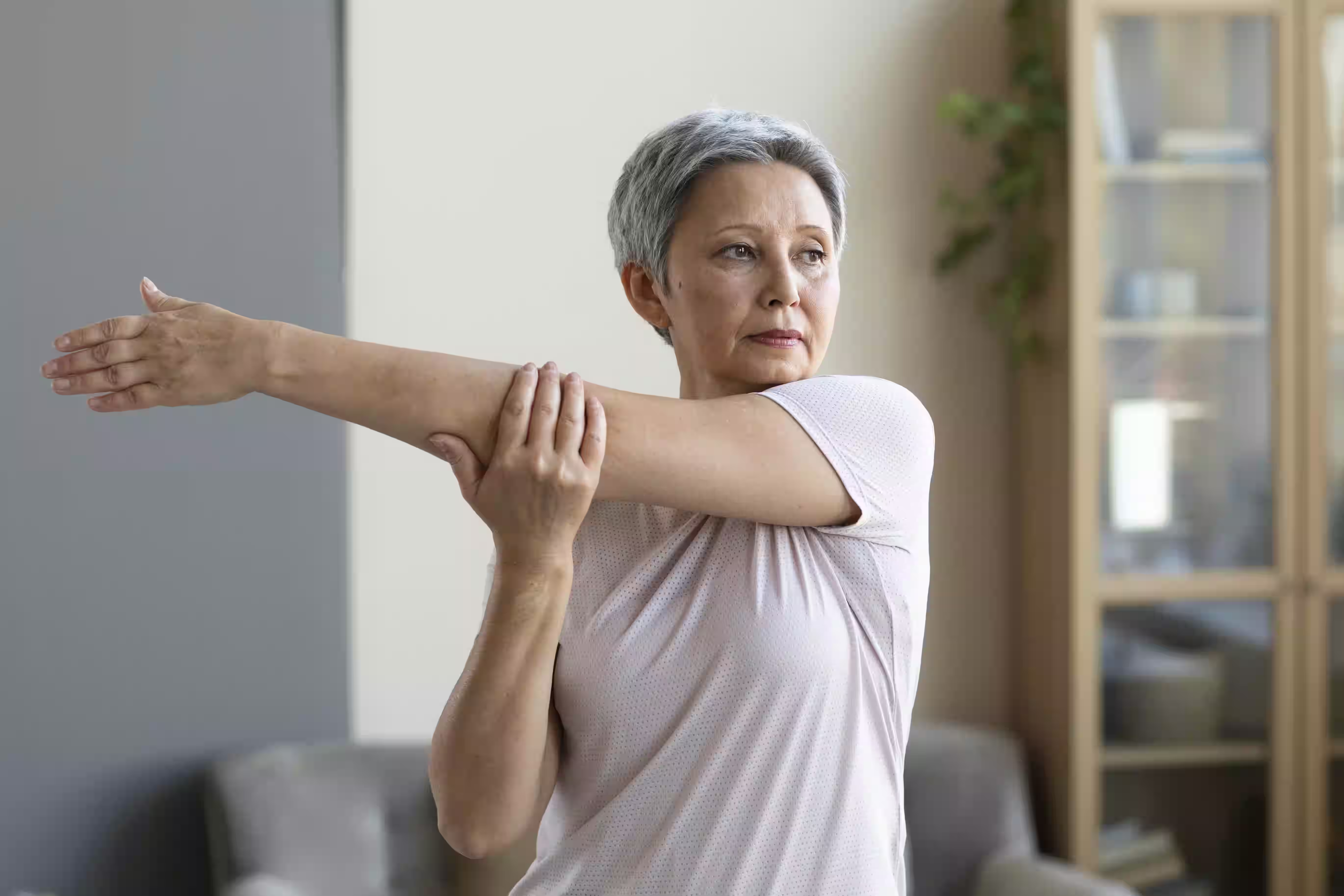
Sarcopenia, the age-related progressive loss of muscle mass, strength, and function, is a critical health concern that can impact your independence and quality of life as you get older. This natural process can make everyday activities more challenging and increase your risk of falls, but understanding it is the first step toward effective management.
What Is Sarcopenia?
Sarcopenia is the gradual loss of muscle mass, strength, and physical performance that happens with age. It affects your musculoskeletal system and can make everyday tasks—like climbing stairs or getting out of a chair—harder over time. As your muscles weaken, your risk of falls, fractures, and loss of independence goes up.Why Does Sarcopenia Matter?
Age-related muscle loss is not just about feeling weaker; it has significant consequences for your overall health, mobility, and ability to live independently. Proactive management is key to maintaining your strength and quality of life.1. Sarcopenia Symptoms: What to Look For
The most common symptom of sarcopenia is muscle weakness. Other signs and symptoms may include:- Difficulty climbing stairs.
- Trouble rising from a chair.
- Poor balance and a higher risk of falls.
- Loss of stamina.
- Unintentional weight loss.
2. What Causes Sarcopenia?
The most common cause of sarcopenia is the natural aging process. As you age, your body goes through changes that affect your muscles. You don’t make protein as well, which your muscles need to grow and repair. Changes in hormones like testosterone and insulin-like growth factor (IGF-1) also play a role.3. Who Is at Risk of Age-Related Muscle Loss?
Aging is the most common factor. You gradually begin losing muscle mass and strength in your 30s or 40s. This process picks up between the ages of 65 and 80. You may lose as much as 8% of your muscle mass each decade. Your risk goes up as you age. But there are other possible risk factors. These include:- Physical inactivity.
- Obesity.
- Chronic diseases (like heart failure, diabetes, chronic obstructive pulmonary disease, chronic kidney disease).
- Hormonal changes.
- Malnutrition or poor protein intake.
- Inflammation.
- Neurological decline.
4. Complications of Muscle Mass Loss
Sarcopenia can lead to:- Increased risk of falls and fractures.
- Physical disability.
- Loss of independence.
- Higher risk of hospitalization.
- Increased mortality.
5. How Is Sarcopenia Diagnosed?
Your healthcare provider will examine you and ask you about your symptoms. You may complete a questionnaire based on your self-reported symptoms. This is called the SARC-F. SARC-F stands for:- Strength.
- Assistance with walking.
- Rising from a chair.
- Climbing stairs.
- Falls.
How Is Sarcopenia Treated and Managed?
Sarcopenia treatment typically involves making changes to your diet and exercise routine. The goal is to keep your weight and muscle mass stable, as well as strengthen your muscles. These steps can help treat and reverse sarcopenia:- Resistance training: Exercises like weightlifting or using resistance bands are the most effective way to build muscle strength and mass.
- Protein intake: Consuming enough high-quality protein is essential for muscle repair and growth.
- Balanced nutrition: Ensuring adequate intake of calories, vitamins, and minerals supports overall health and muscle function.
- Aerobic exercise: Activities like walking, swimming, or cycling support heart health and endurance.
Safety & Side Effects
The primary “side effect” of unmanaged sarcopenia is a progressive decline in physical ability. The main risks associated with the condition itself include:- Increased risk of falls and related injuries like fractures.
- Loss of physical independence.
- Higher likelihood of hospitalization.
How to Manage Sarcopenia With Exercise and Nutrition
- Exercise: Engage in resistance training (e.g., weightlifting, resistance bands) at least 2-3 times per week. Include aerobic activity on most days of the week.
- Protein: Aim for a daily protein intake tailored to your body weight and activity level, as recommended by a healthcare professional or dietitian. General guidelines often suggest distributing protein intake evenly across meals.
- Overall Nutrition: Follow a balanced diet rich in fruits, vegetables, whole grains, and healthy fats to support overall health and muscle function.
When to See a Doctor
Call your provider if you’ve experienced:- Noticeable muscle weakness.
- Difficulty with daily tasks like walking or standing up.
- Unintentional weight loss.
- Poor balance or an increase in falls.
Can Sarcopenia Be Prevented?
You can’t completely prevent sarcopenia since the condition happens as a natural part of aging. But you can take steps to slow the progression of the disease. These steps include:- Staying physically active with regular exercise.
- Eating a protein-rich, balanced diet.
- Maintaining a healthy weight.
- Managing chronic health conditions.
Sarcopenia vs. Muscle Atrophy: What’s the Difference?
Muscle atrophy is the loss of muscle tissue. Sarcopenia is a type of muscle atrophy that specifically affects you as you age. The two conditions share common features of muscle loss, but the processes behind them are different. A decrease in the size and number of your muscle fibers causes sarcopenia. With muscle atrophy, there’s a reduction in the size of the fibers, but the number of fibers stays the same.FAQS
Can sarcopenia be reversed?
Sarcopenia can often be improved, particularly when addressed early. Resistance training, adequate protein, sufficient overall nutrition, and regular physical activity can help improve muscle strength and function. The extent of improvement depends on factors such as age, health status, nutrition, and the severity of muscle loss.
At what age does sarcopenia usually begin?
Muscle mass and strength can gradually decline starting in adulthood, with the rate of loss generally becoming more noticeable as people get older. Sarcopenia becomes more common with advancing age, particularly after 65.
Does walking help with sarcopenia?
Walking is valuable for mobility, cardiovascular health, balance, and endurance, but walking alone may not provide enough resistance to substantially rebuild lost muscle. Resistance exercises are generally more important for improving muscle strength and mass.
Can you have sarcopenia without losing weight?
Yes. Sarcopenia does not always cause overall weight loss. A person can lose muscle while maintaining a similar body weight, particularly if muscle loss occurs alongside an increase in body fat. This can contribute to sarcopenic obesity.
Does sarcopenia affect women as well as men?
Yes. Sarcopenia can affect both women and men. Risk increases with age, while factors such as physical inactivity, inadequate nutrition, chronic disease, and hormonal changes can further contribute to muscle loss.
The Bottom Line
Losing some muscle strength with age is common. But sarcopenia doesn’t have to take away your independence. Staying active and eating enough protein can make a real difference in how strong and steady you feel. If you’ve noticed weakness or slower movement, talk to your healthcare provider. Don’t ignore muscle weakness as “just aging.” Your provider can help you build a plan to protect your strength. Early action can help you stay mobile, confident, and in control of your health.You May Also Like



Why Trust SuppFactsDaily
Confused by supplements, nutrition advice, and endless health trends? SuppFactsDaily cuts through the noise with clear, science-backed insights on supplements, health, wellness, and nutrition you can actually trust. Every article is built using credible sources like NIH, Cleveland Clinic, and leading medical institutions.
No hype. No guesswork. Just practical guidance to help you make smarter health decisions with confidence.
Image Credits
References