Understanding the optimal protein intake for muscle growth is the first step to maximizing your results in the gym. While protein is a crucial building block for every cell in your body, its role in repairing and building muscle tissue is especially vital for anyone engaged in resistance training.
How Protein Powers Muscle Growth & Recovery
Protein is composed of amino acids, the fundamental building blocks for your body’s tissues. Of the 20 amino acids, nine are considered essential because your body cannot make them; they must come from your diet[1]. When you eat protein, it’s broken down into amino acids, which are then used for critical processes like immune function, energy production, and most importantly for athletes, muscle repair and growth.
Your muscle proteins are in a constant state of turnover, being broken down and rebuilt. To build new muscle, you must consume more protein than your body breaks down, creating a positive net nitrogen balance. If you don’t eat enough protein, your body may start breaking down existing muscle tissue for amino acids[1]. The key driver for muscle growth after a workout is a process called Muscle Protein Synthesis (MPS), which is fueled by the amino acids from dietary protein.
Why the Standard Protein RDA Falls Short for Muscle Building
The current Recommended Dietary Allowance (RDA) for protein is set at 0.8 grams per kilogram of body weight, a guideline established to prevent deficiency and maintain basic nitrogen balance[2]. For a 2,000-calorie diet, the acceptable macronutrient distribution range suggests protein should make up 10-35% of calories, equating to 50 to 175 grams per day[3].
However, for active individuals focused on building muscle, this RDA is insufficient. Consuming less than your body needs is linked to decreased muscle mass[4]. Modern research consistently shows that higher protein intakes, when paired with resistance training, are necessary to increase strength and lean body mass effectively.
Optimal Protein Intake: What Science Really Says
The ideal amount of protein for muscle growth depends on factors like age, gender, activity level, and health. While the exact figure can be controversial, several major analyses provide clear guidance for calculating your needs based on body weight.
1. The Broad Range for Lean Mass Gains
A 2020 meta-analysis in Nutrition Reviews found that protein intakes ranging from 0.5 to 3.5 grams per kilogram of body weight can support increases in lean body mass[4]. The researchers noted that even a small increase of 0.1 grams per kilogram per day can help maintain or increase muscle. However, the rate of increase in muscle mass began to decline rapidly after exceeding 1.3 grams per kilogram, a decline that was suppressed by strength training.
2. The Plateau for Strength and Muscle
A 2022 meta-analysis in Sports Medicine concluded that higher intakes around 1.5 grams per kilogram of body weight daily are required with resistance training for optimal strength gains[5]. The benefits on strength and muscle mass appear to plateau between 1.5 and 1.6 grams per kilogram per day.
3. The Target for Resistance-Trained Individuals
Another 2022 systematic review in the Journal of Cachexia, Sarcopenia, and Muscle determined that an intake of 1.6 grams per kilogram of body weight per day or higher results in small increases in lean mass in young, resistance-trained individuals[6]. The effects were more marginal in older adults. Notably, 80% of the studies reviewed had participants consuming at least 1.2 grams per kilogram daily, far above the RDA.
The Practical Takeaway: Based on this body of evidence, the optimal protein intake for muscle building for most people engaged in resistance training lies between 1.2 and 1.6 grams per kilogram of body weight per day. For a 180-pound (81.8 kg) individual, this translates to a daily protein requirement of 98 to 131 grams.
Best High-Protein Foods for Muscle Growth
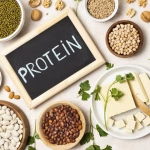
You can meet your elevated daily protein requirement through a variety of animal and plant-based sources.
Top Animal-Based Protein Sources:
- Lean meats (beef, pork, lamb)
- Poultry
- Eggs
- Fish and seafood
- Dairy products
- Whey protein powders
Best Plant-Based Protein Options:
- Beans
- Peas
- Nuts
- Lentils
- Seeds
- Soy products
- Plant-based protein powders
Animal proteins are often considered “complete” because they contain all nine essential amino acids in sufficient amounts and are highly bioavailable[7]. Many plant proteins are less bioavailable and have varying amino acid profiles. However, those on plant-based diets can ensure they get all essential amino acids by eating a varied diet and combining complementary proteins, like rice and beans or hummus and pita bread. Soy is a notable exception among plant proteins, as it is highly bioavailable, has a complete amino acid profile, and is easy to digest[8].
Is Too Much Protein Harmful? Safety & Side Effects Explained
Healthy adults can generally tolerate a long-term protein intake of up to 2 grams per kilogram of body weight per day without side effects, with some well-trained athletes tolerating up to 3.5 grams per kilogram[9]. However, most research suggests that consistently eating more than 2 grams per kilogram can lead to health issues over time[9].
Symptoms of excessive protein intake include:
- Intestinal discomfort and nausea
- Dehydration
- Fatigue and irritability
- Headaches
- Unexpected weight gain
More severe risks associated with chronic overconsumption include an increased burden on the kidneys and liver, a potential higher risk of heart disease, and in extreme cases, seizures or death.
How to Use Protein Effectively for Maximum Muscle Growth
To effectively support muscle protein synthesis, follow these guidelines:
- Calculate Your Needs: Aim for a daily intake between 1.2 and 1.6 grams of protein per kilogram of your body weight.
- Pair with Resistance Training: This optimal protein intake for muscle is only effective when combined with consistent strength training.
- Distribute Throughout the Day: Spread your protein intake evenly across meals to continuously supply amino acids for muscle repair and growth.
- Choose High-Quality Sources: Prioritize lean meats, fish, eggs, dairy, legumes, and soy to ensure you’re getting all essential amino acids.
- Consider Supplements: Protein powders (whey or plant-based) can be a convenient way to meet your targets, especially post-workout.
The Bottom Line
For anyone looking to build muscle, the current RDA of 0.8 g/kg is insufficient. The science-backed sweet spot is a daily protein requirement of 1.2 to 1.6 grams per kilogram of body weight, consumed alongside regular resistance training. You can meet this need through a balanced diet of animal and plant-based proteins.
While higher intakes are generally safe, consistently exceeding 2 g/kg may pose health risks. Since individual needs vary, consulting a healthcare provider or registered dietitian can help you determine the perfect protein for muscle growth plan for your body and goals.



Pingback: How to Build Muscle Strength and Power the Right Way - SuppFactsDaily
Pingback: Muscle Recovery Tips You Need After Every Workout - SuppFactsDaily
Pingback: Supplements for Women Over 40: Feel Younger, Stronger & Healthier - SuppFactsDaily
Pingback: A Complete Guide to a Sustainable Calorie Deficit for Fat Loss - SuppFactsDaily
Pingback: 5 Acne Diet Myths We Can Finally Debunk - SuppFactsDaily