Shilajit has been associated with strength and vitality for centuries, and its list of potential benefits goes well beyond energy.
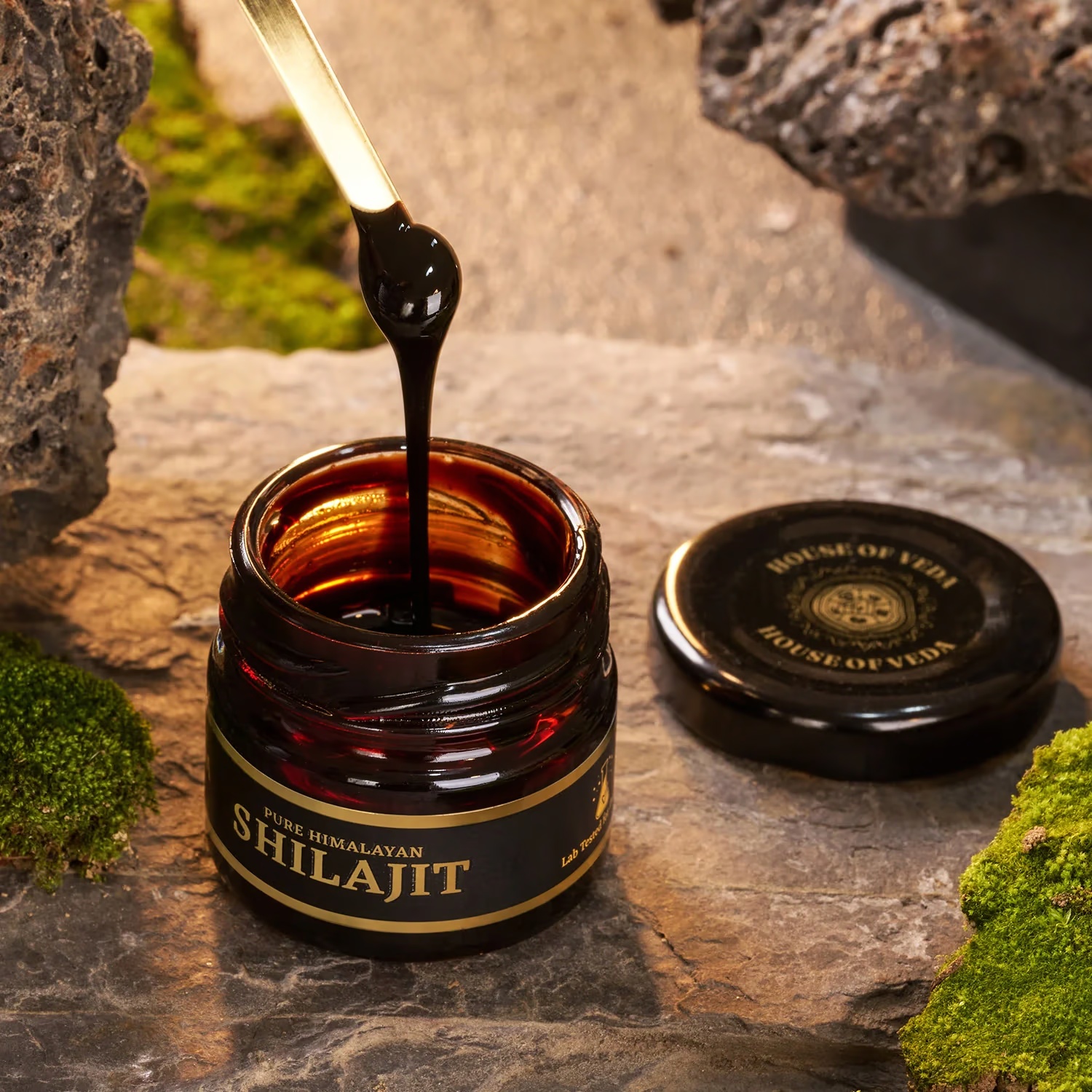
Shilajit benefits are promoted widely across wellness blogs and supplement stores, but what does the science actually say about this ancient, sticky substance? Found in the crevices of mountainous rocks from the Himalayas to the Andes, this black phytocomplex has been used in traditional Ayurvedic medicine for thousands of years[1]. Today, it’s sold as a shilajit supplement in various forms, with claims ranging from anti-aging to improved fertility. This article dives into the research-backed facts, potential shilajit benefits, and critical safety considerations you need to know before adding it to your routine.
Before exploring the specific shilajit benefits people search for, it helps to understand exactly what this substance is and where it comes from.
What Is Shilajit?
Shilajit is a black, tar-like substance formed over centuries from the slow decomposition of plant matter trapped within rock crevices. As glaciers shift and seasonal temperatures fluctuate, layers of ancient plant material are compressed under enormous pressure, gradually breaking down into a mineral-rich resin. This natural process, which can take hundreds or even thousands of years, is what gives shilajit its distinctive dark color and dense, mineral-laden composition.
Its Sanskrit name translates to “conqueror of mountains and destroyer of weakness,” and it has been classified in Ayurvedic texts as a rasayana — a substance believed to promote vitality and longevity. You can now find it marketed in liquids, powders, capsules, and tablets, sometimes combined with adaptogens or herbs such as ashwagandha, safed musli, or gokshura to create combination formulas aimed at energy, stamina, or hormonal support.
Geologically, the highest-quality shilajit is typically sourced from high-altitude regions above 16,000 feet, where extreme cold slows microbial contamination and preserves the resin’s mineral profile. The Himalayan range spanning Nepal, Bhutan, and northern India is the most commonly cited source, though deposits also occur in the Altai Mountains, parts of Scandinavia, and the Andes.
Why Is Shilajit Gaining Attention?
The surge in popularity of ayurvedic shilajit and other traditional remedies highlights a growing interest in holistic wellness, natural energy support, and alternatives to synthetic supplements. Search interest in shilajit benefits has climbed steadily as more people look for adaptogenic and mineral-based options to complement modern diets.
However, it’s crucial to separate ancient tradition from modern evidence. While preliminary research is intriguing, the scientific data on shilajit is limited, with most studies being small, short in duration, or conducted in labs rather than on humans. Understanding both the potential and the pitfalls is key to making an informed decision about this supplement — and to setting realistic expectations rather than relying on marketing claims alone.
Examining the Potential Shilajit Benefits
Many of the purported shilajit benefits are linked to its high fulvic acid content, a compound formed during organic decomposition. Fulvic acid is thought to act as a carrier molecule, helping other nutrients and minerals cross cell membranes more efficiently. It’s important to note that test-tube results don’t guarantee human effects, and the properties of isolated fulvic acid may not translate directly to the complex shilajit mixture, which also contains humic acid, trace minerals like zinc, magnesium, and selenium, and dozens of other bioactive compounds. Here is a detailed look at the research behind the most common claims.
1. Anti-Aging and Energy
Fulvic acid is an antioxidant, which could theoretically protect cells from oxidative damage linked to aging. However, it also has oxidative properties in high doses, creating a complex picture that researchers are still working to untangle[2]. Some small human studies suggest shilajit may reduce fatigue and improve muscle strength and recovery, while another found it may enhance collagen production[3]. Athletes and older adults are often the target audience for these particular shilajit benefits, since reduced fatigue and better recovery are especially relevant to those groups. These findings are promising [4]but require larger-scale confirmation before shilajit can be recommended as a reliable anti-aging or energy-boosting supplement.
2. Brain Health and Alzheimer’s Disease
A 2023 laboratory study found that fulvic acid from shilajit might help slow Alzheimer’s progression by preventing amyloid protein plaques from clumping and damaging brain cells[5]. Some researchers have also floated the idea that shilajit’s mineral density could support mitochondrial function in neurons, which theoretically ties into cognitive performance and mental clarity. This exciting area of shilajit research is still in its earliest stages, and no clinical trials have confirmed these effects in people with cognitive decline.
3. Male Fertility and Testosterone
Ayurvedic medicine classifies shilajit as an aphrodisiac[6]. Preliminary, small studies from over a decade ago suggested it might increase testosterone levels and boost sperm count in men with low fertility markers. Because of this, shilajit benefits are frequently marketed toward men’s health and performance audiences[7]. Still, sample sizes in these trials were small, follow-up periods were short, and significant further[8] research is needed before any firm conclusions can be drawn about its impact on hormones or reproductive health.
4. Anti-Inflammatory Effects
Shilajit is traditionally used for inflammatory conditions like eczema and diabetes[9]. The proposed mechanism is blocking immune chemicals like histamine and modulating inflammatory pathways at the cellular level. However, a 2018 review notes that fulvic acid can exhibit both pro- and anti-inflammatory properties depending on dose and context, making its net effect on chronic inflammation unclear.
5. Immune System Modulation
Some studies suggest shilajit and fulvic acid have immunomodulatory properties, meaning they could theoretically enhance or suppress immune function as needed by the body. Research into its potential antiviral and anti-cancer effects stems from this idea, but human data is lacking, and much of the immune-related research remains confined to cell cultures and animal models.
6. Antiviral Properties
Studies from 2015 and 2020 observed modest antiviral effects for shilajit in test tubes[10], not in people[11]. These findings are interesting from a research standpoint but should not be interpreted as evidence that shilajit can prevent or treat viral infections in humans.
7. Anti-Cancer Potential
Early, preliminary lab studies are encouraging[12]. Research suggests shilajit might make chemotherapy more effective[13] and inhibit breast cancer and bladder cancer [14] cells in laboratory settings. It is far too early to claim it has anti-cancer properties for human use, and no one should substitute shilajit for evidence-based cancer treatment.
8. Bone Health
Small studies found shilajit may speed bone healing[15] and slow bone loss associated with osteoporosis[16]., possibly due to its mineral content and effects on bone-remodeling cells. Much more research is needed before shilajit could be considered a legitimate bone-health intervention, but this remains one of the more promising areas tied to its traditional use for injury recovery.
9. Iron Absorption
Fulvic acid is iron-rich, and Ayurvedic texts claim it improves iron absorption throughout the body[17]. This effect has been observed in plants but not yet confirmed in humans, so people with iron-deficiency anemia should not rely on shilajit as a substitute for standard iron supplementation without medical guidance.
10. Anxiety Relief
Shilajit is rich in magnesium[18], a mineral that may help relieve anxiety by regulating neurotransmitters and calming the nervous system. However, supplement magnesium can cause issues in excess, and the amount in shilajit is variable from batch to batch. It should not be a first-line treatment for anxiety, and anyone managing a diagnosed anxiety disorder should speak with a healthcare provider before using it as a complementary approach.
11. Other Claimed Benefits
Advocates also claim shilajit can relieve altitude sickness[19], reduce cholesterol[20], and improve gut health by supporting the microbiome. The evidence for these additional shilajit uses remains very limited, and most of these claims are based on traditional use rather than controlled clinical research.
Shilajit Benefits by Form: Resin, Powder, and Capsules
Shopping for shilajit can be confusing because it comes in several forms, each with trade-offs worth knowing before you buy:
- Raw resin is the most traditional form, typically dissolved in warm water or milk. It offers the most direct connection to the original substance but varies the most in purity and potency between batches.
- Powdered shilajit is more convenient to measure and mix but may involve additional processing steps that can affect the concentration of active compounds.
- Capsules and tablets offer the most consistent, pre-measured dosing and are the easiest to travel with, though they typically cost more per gram than raw resin.
- Liquid extracts and drops are marketed for fast absorption, but concentration and quality can vary widely between brands.
Regardless of form, the underlying research on shilajit benefits is similar — the delivery method mainly affects convenience and consistency, not necessarily effectiveness, since human trials on any specific format remain scarce.
Shilajit Safety & Side Effects
Shilajit safety is a major concern due to potential contamination. In its raw form, it can contain harmful impurities[21]. A 2024 review noted raw shilajit often contains:
- Heavy metals (lead, arsenic, mercury)
- Mycotoxins (from fungi)
- Microbial organisms (bacteria, viruses)
- Radioactive materials
- Plant toxins
Purification processes aim to remove these, but supplement regulation varies globally, and not every manufacturer follows the same purification standards[22]. A 2025 study found some commercial supplements had higher levels of toxic thallium than raw, unprocessed shilajit — a reminder that “purified” labeling alone isn’t a guarantee of safety. Always choose brands tested by an independent laboratory (look for a seal or Certificate of Analysis, sometimes abbreviated as a COA) before purchasing any shilajit supplement.
Reported Shilajit Side Effects
Clinical trials suggest shilajit is relatively safe when taken as directed[23]. Reported shilajit side effects include:
- Sore throat
- Headaches
- Dizziness
- Increased heart rate
- Allergic reactions
Stop taking it immediately if you experience any of these adverse effects, and consult a healthcare provider if symptoms persist or worsen.
Contraindications and Who Should Avoid It
Consult a healthcare provider before use. They may advise against shilajit if you:
- Have gout or high uric acid
- Have iron overload disorders (hemochromatosis)
- Are pregnant or breastfeeding
- Are taking medications for blood pressure, diabetes, or blood thinners (potential interactions)
- Have low blood pressure (as it may lower it further)
- Have a scheduled surgery, since its effects on blood pressure and blood clotting are not fully understood
Due to a lack of safety research, it is best not to give shilajit to children.
Dosage & How to Use Shilajit
There is no universally established safe or effective dosage for shilajit supplements. Key considerations include:
- Variable Composition: The natural makeup differs by batch, making standardized dosing difficult across brands and even across batches from the same brand.
- Lack of Human Trials: Most dosage data comes from animal or lab studies rather than large-scale human research.
- Follow Product Labels: Adhere strictly to the dosage on your specific product, but understand it’s not based on robust clinical data.
- Start Low: If trying it, begin with the lowest possible dose (often described as “pea-sized” for resin) to assess tolerance before increasing.
- Third-Party Tested: This is non-negotiable for minimizing contamination risk, given the heavy-metal concerns outlined above.
- Medical Supervision: Never use it to replace conventional medical treatment for any diagnosed condition.
- Global Standards: Be aware that quality standards and regulations differ by country’s health authorities, so a product legal in one market may not meet the standards of another.
How to Choose a Quality Shilajit Supplement for Maximum Benefits
Because purity varies so dramatically between brands, a few practical checks can help you avoid low-quality or contaminated products:
- Look for third-party lab testing results specifically checking for heavy metals, not just general “quality” claims, since contamination can cancel out any potential shilajit benefits.
- Check the sourcing region — reputable brands are usually transparent about where their shilajit is harvested.
- Be skeptical of unusually low prices, since proper purification and testing add real cost to production.
- Read the ingredient label carefully for fillers, binders, or undisclosed additives in capsule and tablet forms.
- Look for a resin that dissolves easily in warm water rather than clumping or leaving excessive residue, which can indicate lower purity.
Frequently Asked Questions About Shilajit
Is it safe to take shilajit every day?
Some people use it daily, but because long-term human studies are limited, it’s wise to cycle usage (for example, five days on and two days off) and consult a healthcare provider about ongoing use.
What are the most well-researched shilajit benefits?
Among all the claims out there, energy support, muscle recovery, and testosterone are the areas with the most (though still limited) human research backing them.
How long does it take to notice shilajit benefits?
Anecdotal reports vary widely, with some users noticing changes in energy within a couple of weeks, while others report no noticeable effect at all. Scientific data on the timeline of effects in humans is very limited.
Do shilajit benefits differ between men and women?
Most existing research has focused on male fertility and testosterone, so far less is known about shilajit benefits specific to women. Preliminary interest exists around energy and mineral support, but dedicated studies in women are limited.
Can shilajit be combined with other supplements?
It’s often combined with adaptogens, but combining supplements increases the risk of unknown interactions, so professional guidance is recommended, especially if you take prescription medications.
The Bottom Line
The shilajit benefits promoted by supplement advocates are intriguing but remain largely unproven in humans. The existing shilajit research consists of small, preliminary studies, many conducted in laboratories or on animals rather than in large human trials. While fulvic acid shows interesting properties, its effects in the complex shilajit mixture are uncertain, and marketing claims often outpace what the science can currently support.
The most significant concern is shilajit safety, as raw material is prone to dangerous contaminants like heavy metals, mycotoxins, and even radioactive residue. If you choose to try a shilajit supplement, do so only under medical guidance, select a third-party tested product with a verifiable Certificate of Analysis, and have realistic expectations about what shilajit benefits science can currently confirm. For most people, the wisest course is to start cautiously, prioritize product quality over price, and wait for more conclusive scientific evidence before relying on shilajit for any specific health outcome.
Explore More On This Topic




Why Trust SuppFactsDaily
Confused by supplements, nutrition advice, and endless health trends? SuppFactsDaily cuts through the noise with clear, science-backed insights on supplements, health, wellness, and nutrition you can actually trust. Every article is built using credible sources like NIH, Cleveland Clinic, and leading medical institutions.
No hype. No guesswork. Just practical guidance to help you make smarter health decisions with confidence.
Image Credits
Photo by Supliful – Supplements On Demand on Unsplash
References
[2] Anti-fatigue activity of a triterpenoid-rich extract from Shilajit
[4] Shilajit: A Natural Phytocomplex with Potential Procollagen Type I Synthesis
[5] Fulvic acid attenuates amyloid-beta aggregation and neurotoxicity
[6] Shilajit and male sexual dysfunction
[7] Shilajit improves semen parameters in infertile men
[8] Clinical evaluation of purified Shilajit on testosterone levels in healthy volunteers
[9] Fulvic acid mediates both pro- and anti-inflammatory effects
[10] Antiviral activity of Shilajit extract against Coxsackievirus B4
[11] Antiviral potential of natural products against influenza
[12] Shilajit enhances chemotherapeutic efficacy
[13] Shilajit inhibits breast cancer cell proliferation
[14] Cytotoxic effects of Shilajit on bladder cancer cells
[15] Shilajit accelerates bone healing in rats
[16] Shilajit prevents bone loss in osteoporotic rats
[17] Iron absorption in plants with fulvic acid
[18] Mineral composition of Shilajit
[19] Shilajit and altitude sickness
[20] Hypolipidemic and antioxidant activity of Shilajit
[21] Contaminants in raw Shilajit