They’re smaller than your palm but may carry more nutrition than your entire salad. Welcome to the world of microgreens.
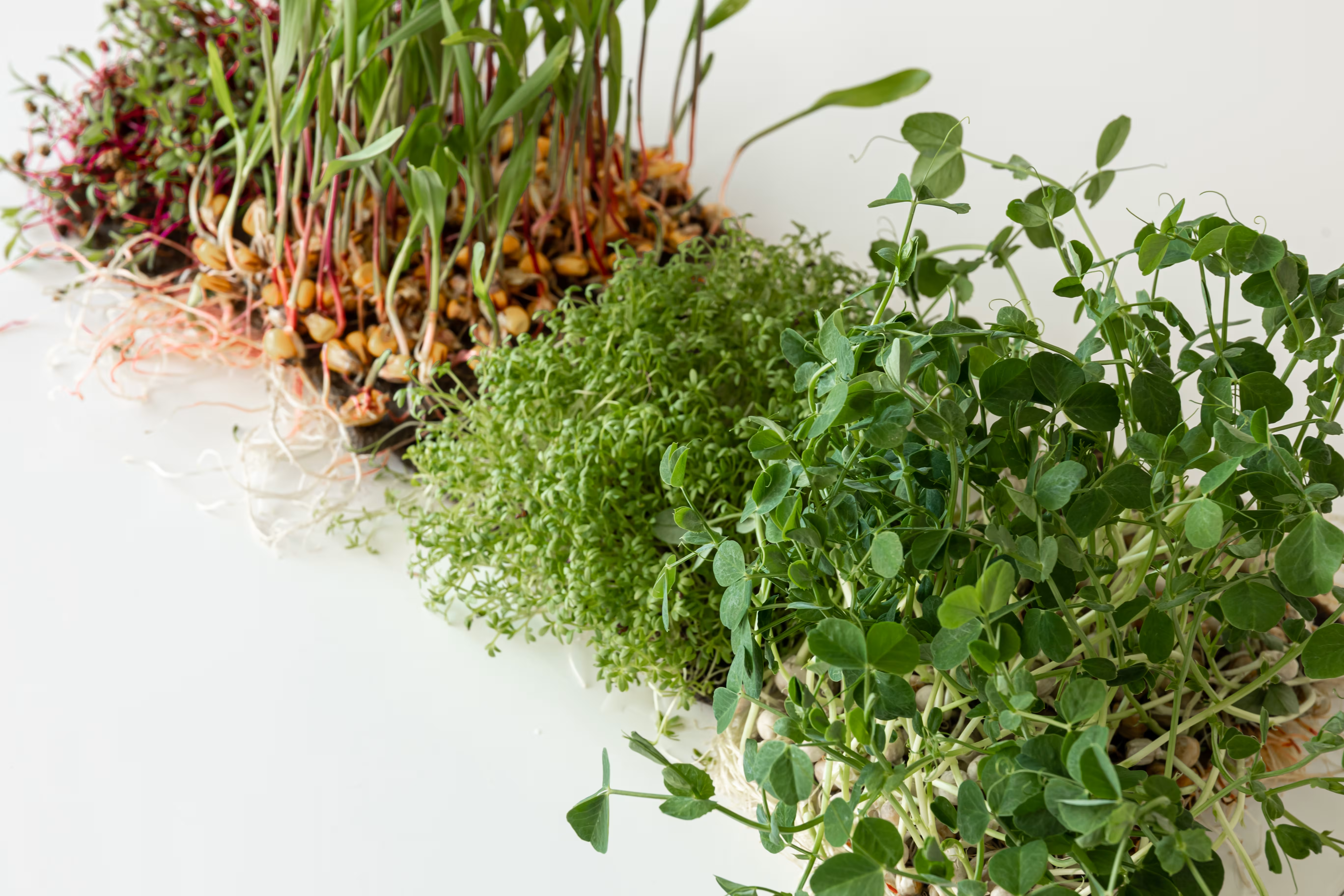
In recent years, there has been a noticeable shift toward fresh, simple, and nutrient-rich foods. Among these, microgreens, often called “vegetable confetti” have quietly gained attention for both their taste and possible health benefits. [1]
Microgreens are young plants harvested early, usually within 7 to 21 days after germination. At this stage, they have their first and sometimes a few small “true leaves.” [1]
They are slightly more mature than sprouts but younger than baby greens. Unlike sprouts, which grow without sunlight, microgreens grow in light, allowing them to develop more nutrients through photosynthesis (the process by which plants use sunlight to create energy). [2]
Despite being just a few centimeters tall, they are known for their intense flavors, vibrant colors, and tender textures. [1]
Why Are Microgreens Getting So Much Attention?
What makes microgreens stand out is their nutrient density i.e. they pack a high amount of nutrients in a very small quantity. [1]
Research suggests that microgreens may contain higher levels of vitamins, minerals, and plant compounds than their fully grown counterparts (sometimes several times as much). [2][3] These include:
- Antioxidants (compounds that may protect cells from damage) [2]
- Polyphenols (plant compounds linked to brain and heart health) [2]
- Vitamins like C, E, and K [1]
- Minerals such as iron and magnesium [3]
Because of this, they are often referred to as functional foods, foods that may provide benefits beyond basic nutrition. [1]
How Microgreens May Support Health?
While research is still evolving, early findings suggest that microgreens could play a role in supporting overall health, especially in lifestyle-related conditions.
- Blood Sugar and Diabetes
Some microgreens, like broccoli and fenugreek, may help manage blood sugar levels. They could improve how the body responds to insulin (a hormone that helps move sugar from blood into cells). [1][2][3]
- Heart Health
Microgreens rich in antioxidants and plant compounds may help lower “bad” cholesterol and reduce inflammation- both linked to heart disease. Certain varieties, like red cabbage and kale, may support healthier blood vessels. [2][3]
- Brain Function
Polyphenols found in microgreens may support cognitive function, meaning they could help with thinking, memory, and focus, and possibly delay age-related brain conditions. [2][3]
- Cancer Prevention
Certain microgreens (especially from the cabbage family like broccoli and radish) contain compounds that may help remove harmful toxins and possibly slow abnormal cell growth. [2][3]
- Inflammation and Immunity
Chronic inflammation (long-term internal irritation in the body) is linked to many diseases. Microgreens may help reduce this due to their antioxidant and plant compound content. [1][3]
- Iron and Nutrient Absorption
Some microgreens, like fenugreek, contain iron in a form that the body may absorb more easily [3]
A Practical Advantage: Easy to Grow and Use
One of the most appealing aspects of microgreens is how simple they are to grow. They:
- Require very little space
- Grow quickly (within 1–3 weeks)
- Need minimal resources and care [1]
This makes them suitable even for small homes or beginners.
In terms of diet, they are versatile and can be added to:
- Salads and sandwiches
- Smoothies or pesto
- Soups and pasta
- Or simply used as a garnish
They are often best eaten raw to retain maximum nutrients. [2]
A Word of Balance
While microgreens show exciting potential, it’s important to view them as part of a balanced diet rather than a complete solution. Most current research is still in early stages, and more human studies are needed. [1][3]
They may support health and possibly reduce risks, but they are not a cure for diseases. [3]
The Bottom Line
Microgreens represent a simple yet promising addition to modern diets. These tiny greens, grown in just days, may offer concentrated nutrition and a natural way to enhance everyday meals.
In a world increasingly affected by lifestyle-related health challenges, small additions like microgreens could possibly make a meaningful difference over time, quietly supporting better health, one handful at a time.
References
[1] NIH: Microgreens-A Comprehensive Review of Bioactive Molecules and Health Benefits
[2] Cleveland Clinic: Why You Should Eat Microgreens
[3] microgreens world: The Top 8 Chronic Diseases That Microgreens Help Manage