Seasonal allergy often shows up as allergic rhinitis—sneezing, congestion, and brain fog—but it’s more than discomfort; it’s a full-body inflammatory response.

Factors such as poor air quality in cities make this issue worse. Poor air quality causes the immune system to “prime” itself for possible reactions to pollen [1][5].
Even though antihistamines purchased over-the-counter can act as a temporary remedy by blocking receptors, they do not address the root source of the immune response (the immune system is “primed”) [2].
Natural treatments help to stabilise the immune system from the original source; below you will find a helpful reference guide of those natural treatments backed by scientific research conducted in 2026.
I. The "Big Three": Immediate & Systemic Relief
1. Quercetin:
- Quercetin is a plant pigment (flavonoid) found in onions and apples. One natural supplement considered one of the most widely used natural options for preventing allergies is quercetin [1].
- It acts as a “sealant” for mast cells. When pollen enters the body, these cells “degranulate” and dump histamine into your system. Quercetin reinforces the cell walls, preventing that histamine dump before it starts [1].
- Furthermore, quercetin serves as an antioxidant against oxidative stress from the exposure to urban smog [1].
2. Vitamin C:
- Unlike drugs that just block histamine from landing on cells, Vitamin C actually speeds up the breakdown of histamine already in your blood [2].
- At doses of 2,000mg daily, it may act as a natural antihistamine [2]. It is particularly effective for those who experience “smog-induced” wheezing or shortness of breath.
3. Bromelain:
This enzyme derived from pineapples is the “cleanup crew” in your nasal passages [3].
- This compound will thin out the thick mucus and reduce swelling (edema) in the nose and sinus area [3]. This is better consumed when paired with quercetin, as this will increase the absorption of the flavonoid in the body.
II. Advanced Herbal & Mineral Interventions
4. Butterbur (PA-Free):
Butterbur may be one of the more studied herbal antihistamines available [4].
- In one study comparing butterbur extract to fexofenadine (Allegra), butterbur extract worked just as well but without causing drowsiness [4].
- Only use products labeled “PA-Free” to avoid pyrrolizidine alkaloids, which are toxic to the liver.
5. Stinging Nettle:
Stinging Nettle (Urtica dioica) acts as a sophisticated biological brake by interfering with inflammatory pathways rather than just masking symptoms [5].
- This helps reduce the chemical chain reaction that occurs during allergic reactions that causes redness in the eyes and intense itching that cannot be alleviated by common anti-histamines [5].
- Rather than using strong chemical agents that may strain your body, Nettle delivers a more natural “cooling down” process to inhibit the overexpression of inflammation in your body.
6. Spirulina:
Spirulina is a nutrient-dense cyanobacterium that functions as an immune modulator, and may help modulate the immune response rather than simply suppressing the immune system [12].
- Patients consuming a standard dose of 2 grams reported decreased nasal tightness due to spirulina preventing mast cells from leaking fluid, which results in swelling of the tissues in the nose [12].
- Because spirulina is high in chlorophyll and antioxidants, it also has the ability to help your body get rid of heavy metal particles and reduce oxidative stress, both of which are prevalent in the air around many urban areas.
7. Ginger:
Ginger (Zingiber officinale) may help reduce inflammatory cytokines, which are the higher-order chemicals or “messengers” that send a message to the body about the start of an “emergency” inflammatory response due to pollen.
- Active Bioactives: The phytochemical 6-gingerol acts as an “emergency” block against TNF-alpha and stops the inflammation process before it can reach the nose mucous membrane.
- Clinical Efficacy: Studies have shown that ginger extract was as effective in treating rhinorrhea as Claritin (Loratadine), and also acted as a better antioxidant for the airways’ lining [11].
- Professional Recommendation: As it does not affect the central nervous system in a manner that may cause drowsiness, it can be considered a “clear-headed” option for professionals experiencing allergic reactions.
III. Oral VS Nasal
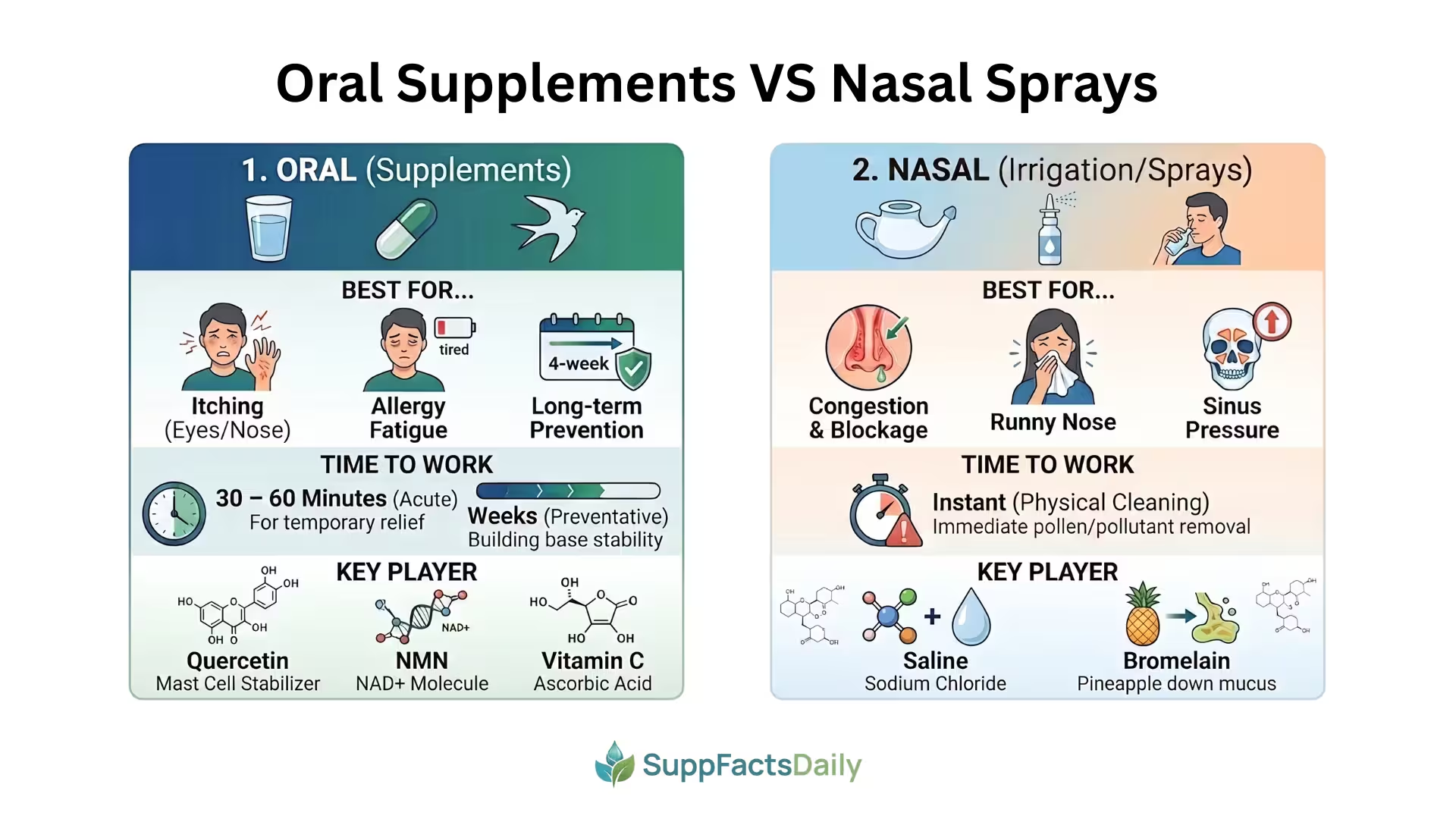
The Bottom Line
- To effectively combat seasonal allergen and air-contaminant-induced symptoms through 2026 will require individuals to abandon the “reactive” approach for addressing symptoms once they are present, and instead move to a system that utilizes the concept of “Full Shield” by taking a more pro-active approach.
- The initial creation of an Internal Foundation using Probiotics and Vitamin D will retrain our immune intelligence to recognize harmless pollen as non-threatening [8][9].
- Structural Defense systems made of such things as Zinc and Curcumin will assist in repairing damage to our respiratory epithelium (lining) so our body will not over-react to harmless pollen [10].
- Once the biological systems are established, combining them with Internal Catalysts, for example, using a Black Pepper Extract (Piperine), will assist in utilizing the full potency of our nutritional supplementation system such as compounds like Quercetin and Ginger to stabilize mast cells and inhibit inflammatory cytokines before they cause an allergic flare up [1][11].
- In order to conclude the process of establishing immunity, you will need to personally intervene on the allergens by creating a very strict Nasal & Environmental Protocol where you use External Barriers such as daily use of your Neti Pot to wash away the bond of “pollen pollution,” thus preventing the particulate matter from getting to your receptors. This method, when combined with Establishing Environmental Control through use of HEPA/MERV 11 filtration systems and taking showers before bedtime to remove “hitchhiker” type pollen helps to create a sterile recovery zone where your immune system can get the rest it needs.
- When you look at allergy management as a process of building a strategic plan as opposed to a process of rescuing you, you shift from simply surviving to being able to create a state of systemic resilience, which helps build long-term resilience against allergies.
References
[1] Foods Journal: Curcumin: A Review of Its Effects on Human Health
[2] Journal of Biological Chemistry: Curcumin inhibits NF-kappaB activation
[3] Journal of Medicinal Food: Efficacy of Turmeric Extracts and Curcumin for Alleviating the Symptoms of Joint Arthritis:
[4] Phytotherapy Research: Efficacy and safety of curcumin in major depressive disorder: