
Turmeric has earned its wellness reputation—but its benefits come with a few caveats.
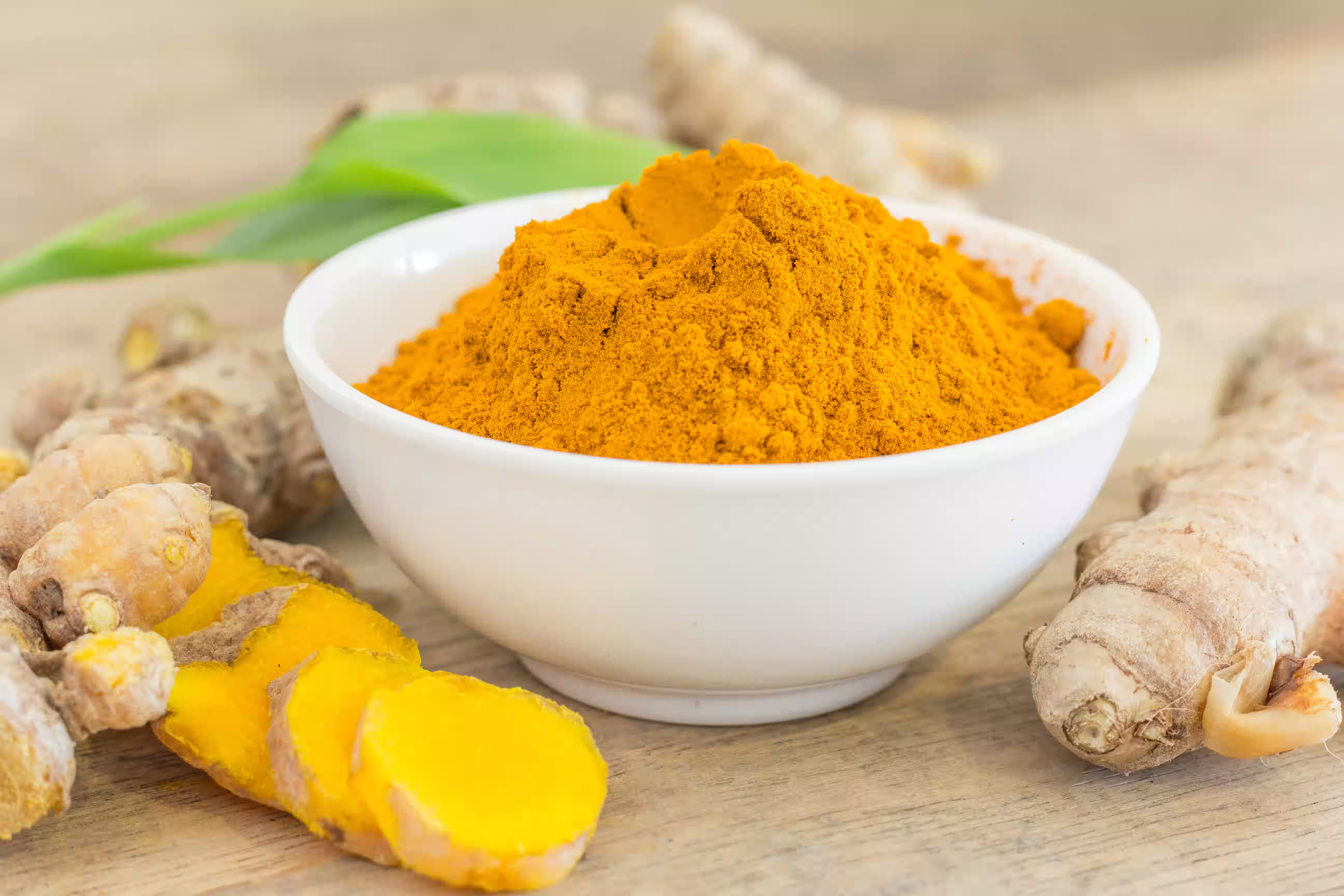
The science-backed turmeric benefits and side effects are a topic of significant interest, largely due to its active compound, curcumin, which offers medicinal properties but also presents unique challenges. While turmeric is celebrated for its ability to relieve pain and reduce inflammation, the curcumin within it has notoriously low bioavailability.
This means the amount typically consumed in food is unlikely to produce significant benefits[1]. For those seeking a more potent effect, curcumin supplements are available, and scientists are actively working on ways to enhance curcumin absorption, though research into the safety of higher doses continues.
What Is Turmeric?
Turmeric, used either ground or fresh, is a staple in many global cuisines. It’s a key component of curry powder and is also added to smoothies, teas, and soups. A one-tablespoon (6.7-gram) serving of ground turmeric contains:
29.3 calories 0.91 grams (g) of protein 0.31 g of fat 6.31 g of carbohydrates 2.1 g of fiber 0.3 g of sugar
It also provides small amounts of micronutrients, including:
15.8 milligrams (mg) of calcium 5.17 mg of iron 19.6 mg magnesium 28.1 mg phosphorous 196 mg potassium
While it contributes some iron—a nutrient of particular importance for menstruating or pregnant individuals who need 18 mg and 27 mg daily, respectively—the amounts of other micronutrients are relatively small compared to daily adult requirements.
Why Turmeric Benefits and Side Effects Matter
Understanding both the potential and the pitfalls of turmeric is crucial for making informed health decisions. Its turmeric anti-inflammatory properties are well-documented, but its poor absorption and potential for interactions mean that benefits are not guaranteed and risks must be considered, especially when using concentrated supplements.
Potential Health Benefits of Turmeric
Research points to several areas where turmeric, particularly its curcumin content, may offer benefits.
1. Anti-Inflammatory Action
Curcumin is recognized for its ability to block several inflammatory substances produced by the body. Studies have found it can reduce osteoarthritis pain and inflammation as effectively as NSAIDs like ibuprofen. There is also evidence suggesting it may help reduce bone loss in individuals with rheumatoid arthritis (RA).
2. Pain Relief
Beyond inflammation, turmeric or curcumin may directly relieve associated pain. An analysis[2] of 15 studies concluded that curcumin supplementation was effective in reducing pain from arthritis, with one study noting a 30% reduction in pain scores.
3. Support for Irritable Bowel Syndrome (IBS)
A 2022 review[3] found evidence that turmeric may help with IBS symptoms, particularly in reducing abdominal pain. However, many included studies involved animal models or combinations with other herbs, so more human-focused research is needed.
4. Potential Role in Cancer Care
Interest is growing in curcumin as a complementary approach in cancer treatment. While early-stage clinical trials are exploring its use, there is not yet enough evidence to recommend it as a cancer treatment. Some small studies suggest it may improve quality of life and reduce side effects of radiation or chemotherapy, but more research is crucial.
5. Heart Health Support
Emerging research suggests one of the more overlooked turmeric benefits relates to cardiovascular health. Curcumin may help improve the function of the endothelium, the thin lining of blood vessels responsible for regulating blood pressure, clotting, and circulation. Some researchers believe that supporting endothelial function could, over time, reduce the risk of heart-related complications, though large-scale human trials are still needed before turmeric can be recommended specifically for heart health.
6. Brain Health and Cognitive Function
Among the more exciting areas of study are the potential turmeric benefits tied to brain health. Curcumin is able to cross the blood-brain barrier, and animal studies suggest it may help reduce the buildup of amyloid plaques associated with Alzheimer’s disease. Human trials examining curcumin’s effects on memory, mood, and cognitive decline remain limited in scope, but early results are promising enough that researchers continue to investigate this connection closely.
7. Skin Health
Topical and oral use of turmeric has long been associated with healthier-looking skin. The anti-inflammatory properties in curcumin may help calm conditions such as acne, eczema, and psoriasis, and some people use turmeric paste directly on the skin for minor irritation. These skin-related turmeric benefits are largely supported by traditional use rather than rigorous clinical trials, so anyone with sensitive skin should patch-test before wider application.
8. Blood Sugar Management
Preliminary research points to potential turmeric benefits for people managing blood sugar levels. Curcumin appears to influence several pathways involved in glucose metabolism, and a handful of small studies have found modest reductions in fasting blood sugar among participants taking curcumin turmeric supplements. This is one of the curcumin benefits researchers are most cautious about, since anyone with diabetes should discuss it with their doctor before adjusting medication, as curcumin can interact with common diabetes drugs.
9. Immune System Support
Because inflammation and immune function are closely linked, several of the turmeric benefits described above extend into general immune system support. Compounds in turmeric, including curcumin, may help modulate immune cell activity, which some proponents believe reduces the frequency of minor illnesses. This is also one of the claims most often exaggerated in marketing, so it is worth approaching broad immune-boosting claims with a healthy dose of skepticism until more human research is available.
Safety & Side Effects
Like all supplements, turmeric and curcumin can cause side effects, and certain groups should exercise caution.
1. Digestive Symptoms
High amounts may cause an upset stomach, leading to nausea, stomach pain, acid reflux, vomiting, or diarrhea.
2. Blood Thinning
Turmeric can have a blood-thinning effect, increasing the risk of bleeding. Individuals on blood-thinners like warfarin or those with bleeding disorders should avoid large doses.
3. Iron Deficiency
There is evidence that turmeric supplements may bind to iron, inhibiting its absorption. A 2019 case report[4] documented iron deficiency in an individual taking high doses for osteoarthritis.
4. Liver Injury
There have been reports of liver injury or toxicity associated with turmeric supplement use at both low and high doses.
5. Lead Contamination
Lead contamination in turmeric is a concern in major producing regions. Lead is highly toxic, especially to children, and can accumulate in the body. It’s vital to purchase turmeric only from reputable sources.
6. Allergic Reactions
Turmeric can cause allergic reactions, including skin rashes (allergic dermatitis), itchiness, hives, or swelling. Severe allergic reactions (anaphylaxis) are possible and require immediate emergency care.
Who Should Avoid Turmeric?
The following groups should not take turmeric or curcumin supplements:
Pregnant or breastfeeding individuals Those with liver or bile duct problems People undergoing chemotherapy Individuals who have recently had surgery Anyone with other conditions or on medications should consult a doctor first.
Turmeric and Medication Interactions
Turmeric and medication interactions are a critical safety consideration. Evidence suggests turmeric may alter the effects of numerous drugs, including:
Pain relievers (acetaminophen, ibuprofen) Blood thinners (e.g., warfarin) Diabetes medications Immunosuppressants Chemotherapy drugs (cyclophosphamide, doxorubicin, paclitaxel) Drugs metabolized by CYP450 enzymes (antihistamines, benzodiazepines, calcium channel blockers) The antibiotic norfloxacin The antifungal amphotericin B Losartan (blood pressure medication) Colchicine (gout medication) Fezolinetant (for menopausal hot flashes)
This list may not be exhaustive. Always consult a healthcare professional before combining turmeric supplements with any medication.
Dosage & How to Use
Navigating turmeric dosage requires understanding the difference between culinary use and supplementation.
Culinary Turmeric: The amount used in food is generally recognized as safe but is unlikely to provide therapeutic levels of curcumin due to low bioavailability. Curcumin Supplements: These offer a more concentrated dose. Research into optimal and safe supplemental doses is ongoing. It is probably safe for most adults to take up to 12 grams of curcumin per day for 3 months, but this does not account for individual health conditions or medications. Bioavailability: A major hurdle is turmeric bioavailability. Scientists are exploring formulations (often combining curcumin with piperine from black pepper) to enhance absorption. Daily Use: Using turmeric in food daily is likely safe. However, concentrated supplements pose a higher risk of side effects and interactions. Pregnancy & Nursing: Amounts higher than typical food intake may be unsafe during pregnancy. Medical Consultation: Anyone considering supplements, especially those on other medications or with medical conditions, must speak with a doctor first. Source Quality: To avoid contaminants like lead, purchase turmeric products only from reputable, tested sources.
Maximizing Absorption: How to Get More Out of Turmeric
Because curcumin’s low bioavailability limits how easily the body can access many of the turmeric benefits discussed throughout this article, how you prepare and consume turmeric matters a great deal. Combining turmeric with black pepper piperine can increase curcumin absorption significantly, since piperine slows the breakdown of curcumin in the liver and intestines, allowing more of it to reach the bloodstream. Cooking turmeric in a fat source, such as coconut oil or ghee, is another traditional method believed to unlock additional turmeric benefits, since curcumin is fat-soluble and absorbs better alongside dietary fat.
A popular way to enjoy these effects at home is through turmeric golden milk, a warm beverage made by simmering turmeric with milk (dairy or plant-based), black pepper, and a fat source like coconut oil. Proponents often drink it before bed for its purported calming and anti-inflammatory effects, though scientific evidence specifically on golden milk as a preparation is limited compared to research on isolated curcumin. Simple turmeric tea, steeped with fresh or ground turmeric, lemon, and a pinch of black pepper, is another gentle, everyday option.
For those seeking more concentrated turmeric benefits, turmeric extract and curcumin products using liposomal delivery or phytosome technology are increasingly available. These formulations are specifically designed to overcome the bioavailability problem, delivering meaningfully more curcumin into the bloodstream than standard turmeric powder, capsules, or tea alone.
More Ways Turmeric May Help
Athletes and active individuals sometimes turn to turmeric for joint pain relief and faster recovery after intense exercise. These turmeric benefits for exercise-induced muscle soreness have been examined in a handful of small trials, with some showing modest reductions in perceived pain and inflammation markers after strenuous workouts. This makes turmeric an appealing, food-based addition to a recovery routine for people who prefer not to rely solely on over-the-counter pain relievers.
For people managing chronic inflammation linked to autoimmune conditions, some of the turmeric benefits described earlier may offer a complementary approach alongside standard medical treatment, though turmeric should never replace a prescribed therapy without medical guidance. Similarly, people researching arthritis pain relief often ask whether turmeric alone can replace medication entirely; most clinicians recommend using it as a supportive addition to, not a substitute for, standard arthritis care.
Turmeric supplements are also marketed heavily for their antioxidant properties, which are thought to help neutralize free radicals that contribute to cellular damage and premature aging. While this contributes to the broader picture of turmeric benefits, more independent, human-based research is still needed before strong antioxidant claims can be made with real confidence.
A Quick Word on Dosage and Side Effects
Because so much of this article focuses on the positive side of turmeric, it’s worth circling back to turmeric side effects and dosage one more time before wrapping up. Getting the turmeric dosage right matters just as much as choosing a high-quality product: too little curcumin may produce no noticeable effect, while too much increases the risk of digestive upset, interactions, and other issues covered earlier in this article. When in doubt, start with a lower dose, use it alongside food, and increase gradually only under the guidance of a healthcare provider.
Frequently Asked Questions
Is it safe to take turmeric every day?
For most healthy adults, using turmeric in food daily is considered safe, and many of the turmeric benefits described in this article stem from consistent, moderate use over time rather than occasional, high-dose consumption. Daily use of concentrated supplements, however, should be discussed with a healthcare provider, particularly if it continues for more than a few months.
How long does it take to notice turmeric benefits?
The timeline varies depending on the condition being addressed. Some people report noticing improvement for joint discomfort within a few weeks of consistent supplementation, while other effects, such as those related to heart or brain health, may take months of regular use to become noticeable, if they appear at all.
Can turmeric benefits be achieved through diet alone?
Because of turmeric’s low bioavailability, achieving the therapeutic-level turmeric benefits documented in clinical research through diet alone is genuinely difficult. Culinary use supports general wellness and adds antioxidant compounds to the diet, but people seeking the more pronounced effects seen in studies typically need concentrated, standardized supplements instead.
What is the best form of turmeric to take?
There is no single “best” form, since the right choice depends on individual goals. Turmeric powder in cooking, turmeric tea, and golden milk offer gentle, ongoing exposure, while standardized curcumin supplements with piperine or advanced absorption technology are typically recommended for anyone seeking more significant turmeric benefits for a specific, diagnosed health concern.
The Bottom Line
Turmeric, particularly through its curcumin content, shows promise for relieving pain and inflammation, with potential turmeric benefits for conditions like arthritis and IBS, along with possible support for heart, brain, skin, and immune health. However, its poor absorption means culinary use may not be potent enough, while supplements introduce risks like digestive issues, blood thinning, and significant drug interactions.
The turmeric health risks are real and must be weighed against potential benefits. Always consult a healthcare provider before starting any new supplement regimen, especially if you have underlying health conditions or take other medications.
You May Also Like



Why Trust SuppFactsDaily
Confused by supplements, nutrition advice, and endless health trends? SuppFactsDaily cuts through the noise with clear, science-backed insights on supplements, health, wellness, and nutrition you can actually trust. Every article is built using credible sources like NIH, Cleveland Clinic, and leading medical institutions.
No hype. No guesswork. Just practical guidance to help you make smarter health decisions with confidence.