
Male pattern baldness is more than a receding hairline—it’s a gradual change happening at the follicle level.
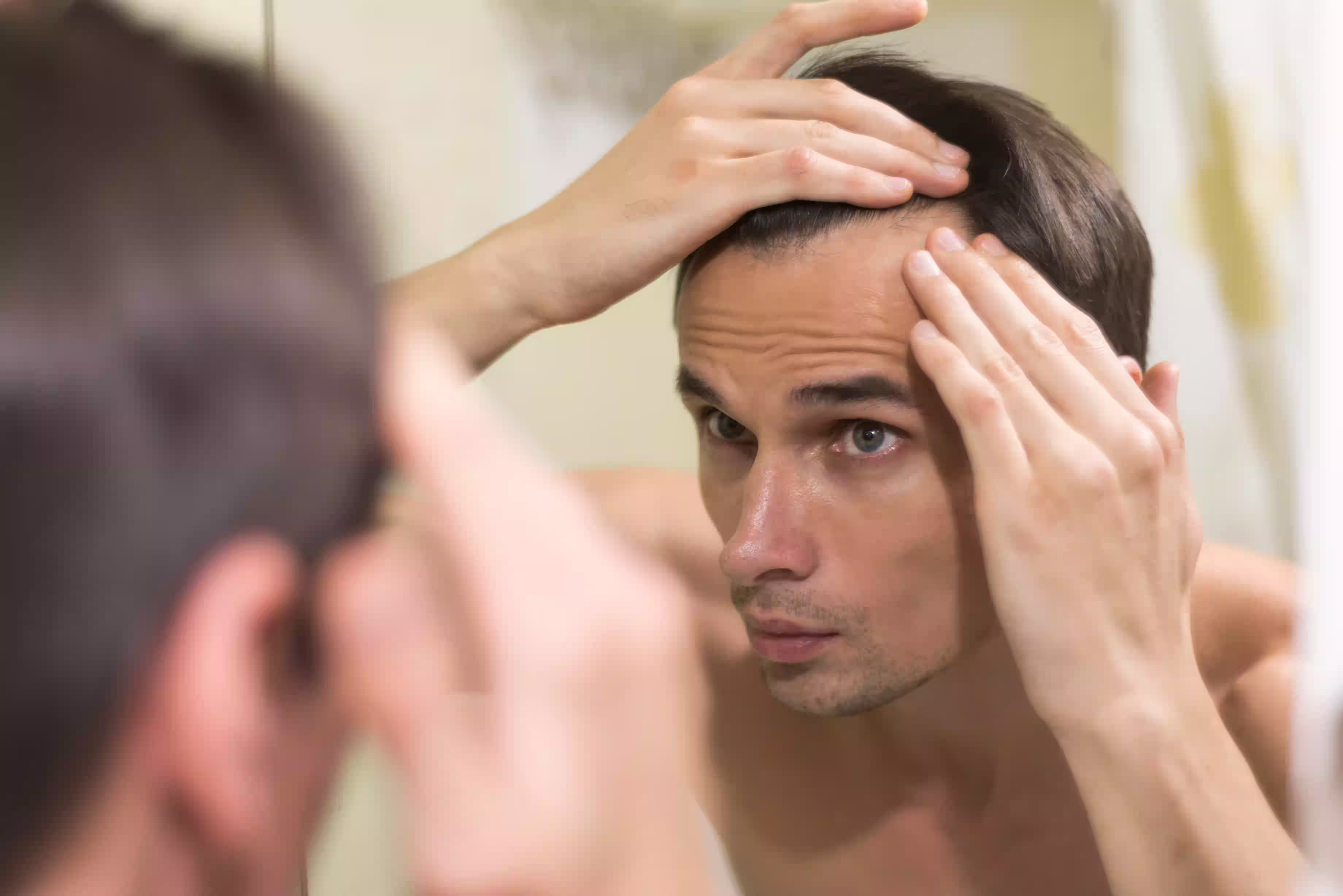
Male pattern baldness is a remarkably common form of hair loss that affects a significant number of men globally. Characterized by a predictable pattern of hair thinning and recession, it often begins as early as one’s late teens or 30s and progresses through distinct stages. Understanding the causes, stages, and the full spectrum of available treatments—from medications to advanced procedures like hair transplants—is the first step toward managing this condition effectively.
What Is Male Pattern Baldness (Androgenic Alopecia)?
Male pattern baldness, medically known as androgenic alopecia, is a specific type of permanent hair loss that occurs on the scalp. Unlike temporary shedding, hair lost to this condition does not grow back on its own. The process involves the gradual miniaturization of hair follicles, the tiny structures in the scalp from which hair grows. As these follicles shrink over time, the hairs they produce become thinner, shorter, and eventually stop growing altogether.
While it poses no direct threat to physical health, the impact of male pattern baldness on mental and emotional well-being can be profound. Many individuals experience significant stress, anxiety, or depression related to their changing appearance[1].
Why Understanding Male Pattern Baldness Matters
Grasping the fundamentals of androgenic alopecia is crucial for several reasons. First, it affects approximately two-thirds of all men, with the likelihood increasing with age. Second, early recognition can lead to more effective intervention, as some treatments work best at the initial stages. Finally, dispelling myths and understanding the real, treatable nature of this condition can alleviate unnecessary psychological distress and empower individuals to seek appropriate care.
The Seven Stages of Male Pattern Baldness: The Norwood Scale
Healthcare professionals use the Hamilton-Norwood scale to classify the progression of male pattern baldness into seven distinct stages. This scale helps in diagnosis and planning treatment.
Stage 1: Minimal to No Hair Loss
This is considered a normal, full head of hair with no significant recession at the hairline.
Stage 2: Slight Temporal Recession
Early signs appear with a slight recession of the hairline around the temples, often forming a subtle triangular shape.
Stage 3: Deepening Temporal Recession
The temporal recession becomes more pronounced, creating a more defined “M” shape. This is often the first stage considered as true balding.
Stage 4: Significant Frontal Loss and Crown Thinning
Hair loss on the crown (vertex) becomes noticeable, and the frontal hairline recession deepens. A band of moderately dense hair often remains between the balding front and crown areas.
Stage 5: Bridge of Hair Begins to Thin
The band of hair separating the frontal and crown balding areas starts to thin and narrow, causing the two balding zones to move closer together.
Stage 6: Bald Areas Merge
The frontal and crown bald patches merge, leaving only a horseshoe-shaped ring of hair around the sides and back of the head.
Stage 7: Most Extensive Hair Loss
This is the most advanced stage, where the horseshoe band of hair becomes very fine and the balding area expands, leaving only a sparse fringe.
Key Symptoms and Signs to Recognize
Being able to identify the symptoms of male pattern baldness early can lead to timely management. The condition is not painful. Common signs include:
-
- A hairline that gradually moves backward (receding hairline), often forming an “M” shape.
- Thinning hair on the crown (top of the head), usually appearing in a circular pattern.
- Over time, the receding hairline and crown thinning may meet to form a “U” shape.
- General thinning of hair across the scalp, making the scalp more visible.
Primary Causes and Risk Factors
The development of androgenic alopecia is influenced by a combination of factors:
-
- Genetics and Family History: This is the most significant factor. If your father, grandfathers, or brothers have experienced male pattern baldness, your risk is substantially higher. Having a bald father may double your likelihood[2].
- Hormones (Androgens): Specifically, the hormone dihydrotestosterone (DHT) binds to receptors in hair follicles, causing them to shrink over time.
- Age: The risk and visibility of hair loss increase significantly with age.
It is important to note that male pattern baldness is not contagious. While some population-based studies have noted variance in prevalence, modern understanding focuses on individual genetic and hormonal factors rather than broad ethnic characterizations.
Diagnosis: Confirming Androgenic Alopecia
A diagnosis of male pattern baldness is often straightforward. A healthcare provider will typically:
-
- Perform a physical examination of your scalp, noting the pattern of hair loss.
- Review your medical and family history.
- Use a tool called a densitometer to measure hair follicle thickness.
In cases where the pattern is atypical, they may order blood tests or a scalp biopsy to rule out other causes of hair loss, such as thyroid disorders, nutritional deficiencies, or autoimmune conditions.
Effective Hair Loss Treatment Options
Several proven treatments can slow, stop, or even reverse hair loss from androgenic alopecia. The most common include:
1. Topical Minoxidil
An over-the-counter liquid or foam applied directly to the scalp. It is believed to widen blood vessels around hair follicles, potentially prolonging the growth phase. Visible improvement may take two to four months of daily use, and hair loss typically resumes if treatment is stopped.
2. Oral Finasteride
A prescription pill that works by blocking the conversion of testosterone to DHT, the hormone that shrinks follicles. It may take at least three months of daily use to see results. Discontinuing the medication will lead to a reversal of benefits.
3. Hair Transplant Surgery
A surgical procedure where a dermatologist or surgeon moves small plugs of skin, each containing a few hairs, from the back or sides of the scalp to balding areas. Recovery takes at least three weeks, with full results visible up to a year later. Multiple sessions may be needed for a natural look.
4. Platelet-Rich Plasma (PRP) Therapy
A treatment where a sample of your blood is drawn, processed to concentrate the platelets, and then injected into the scalp. Hair development is believed to be stimulated by platelet growth factors. Recovery is around three weeks, and maintenance sessions are often required.
5. Styling Techniques and Hair Care
While not a cure, certain practices can help manage appearance and support hair health:
-
- Using volumizing shampoos and conditioners.
- Choosing hairstyles that camouflage thinning areas.
- Being gentle when brushing or styling to avoid breakage.
- Eating a balanced diet rich in essential vitamins and minerals.
Safety, Side Effects, and Considerations
All medical interventions come with potential side effects. It’s crucial to discuss these with a healthcare provider.
-
- Minoxidil: Can cause scalp irritation, itching, or unwanted hair growth on adjacent areas like the face.
- Finasteride: Potential side effects include decreased libido, erectile dysfunction, and risk of depression. It is not suitable for women who are or may become pregnant.
- Hair Transplant & PRP: These are medical procedures with risks like infection, scarring, bleeding, and an unnatural appearance if not performed correctly.
Dosage, Use, and Realistic Timelines
Managing expectations around treatment timelines is key for success with male pattern baldness.
-
- Minoxidil: Requires consistent, daily application. Improvement may be seen after 2-4 months.
- Finasteride: Taken as a daily 1mg pill. Results may become noticeable after at least 3 months of continuous use.
- Hair Transplant: Full results can take up to a year to manifest. Several “touch-up” procedures might be necessary.
- PRP Therapy: Multiple initial and maintenance injection sessions are typically required.
A critical point for medications is that they must be used indefinitely to maintain results; stopping will lead to the loss of any regrown hair.
Can Male Pattern Baldness Be Prevented?
Currently, there is no known way to prevent androgenic alopecia due to its strong genetic component. However, general hair care practices—such as avoiding harsh chemical treatments, protecting hair from excessive sun and heat, and maintaining good nutrition—can support overall hair health. The most effective strategy is early intervention with the treatments listed above at the first signs of thinning.
Male Pattern Baldness vs. Telogen Effluvium
It’s important to distinguish male pattern baldness from other hair loss types. Telogen effluvium is temporary, diffuse shedding often triggered by severe stress, illness, or hormonal changes a few months prior. Hair usually regrows fully once the trigger is resolved. In contrast, male pattern baldness is a permanent, progressive condition with a distinct pattern of recession and thinning.
Living with Male Pattern Baldness: The Psychological Journey
Beyond the physical changes, coping with hair thinning carries a significant emotional weight for many men. Research consistently shows that self-esteem, social confidence, and even professional interactions can be affected by visible hair loss. Some men report avoiding social situations, photos, or new relationships out of self-consciousness about a receding hairline or crown thinning, and this emotional dimension is often underestimated by people who haven’t experienced it themselves.
Support groups, therapy, and open conversations with partners or friends can help ease this burden considerably. It also helps to reframe male pattern baldness not as a personal failing but as a common, biologically driven process affecting roughly half of all men by age fifty. Viewing the condition this way — as a manageable medical issue rather than a character flaw — tends to reduce anxiety and encourage earlier treatment-seeking behavior, which generally produces better outcomes than waiting until hair loss becomes advanced.
Emerging and Alternative Treatments for Hair Loss
While minoxidil, finasteride, and surgical options remain the gold standard, several newer approaches are gaining traction for men exploring additional ways to manage this condition.
Low-level laser therapy (LLLT) uses red light wavelengths, delivered through combs, caps, or helmets, to stimulate cellular activity in hair follicles and potentially extend the growth phase of existing strands. Results are modest but are supported by a growing body of clinical evidence, and the treatment carries minimal side effects, making it an appealing option for men who want to avoid daily medication.
Scalp micropigmentation is a cosmetic tattooing technique that deposits pigment into the scalp to mimic the look of a closely shaved head or add density to thinning areas. It doesn’t regrow a single hair, but it can dramatically improve the visual appearance of the scalp for men who prefer not to pursue medication or surgery.
Nutraceutical supplements containing biotin, saw palmetto, and marine collagen are also marketed as aids for hair regrowth, though the clinical evidence supporting their effectiveness is far weaker than that behind minoxidil or finasteride. Anyone considering supplements should discuss them with a dermatologist first, since certain ingredients can interact with other medications or carry unproven safety profiles at high doses.
Combination approaches — pairing topical minoxidil with LLLT, for example — are increasingly recommended by dermatologists, since targeting the condition through multiple mechanisms at once often produces better outcomes than relying on any single treatment alone.
Diet, Lifestyle, and Scalp Health
No diet can reverse the genetic and hormonal drivers behind male pattern baldness, since androgen sensitivity mediated by DHT remains the primary cause regardless of what you eat. Still, certain nutritional and lifestyle choices support the overall health of hair follicles and may slow down visible thinning at the margins.
Protein-rich foods, iron, zinc, and vitamin D are commonly linked to healthier hair growth cycles, and deficiencies in any of these can accelerate shedding independent of androgenic alopecia. Reducing chronic stress through regular exercise, adequate sleep, and mindfulness practices may also help, since prolonged stress can trigger additional hair loss layered on top of an existing genetic pattern.
Maintaining good scalp health — through gentle cleansing, avoiding excessive heat styling, and limiting harsh chemical treatments — creates a better environment for whatever hair remains to thrive. None of these measures will stop genetic hair loss on their own, but together they form a useful, low-risk complement to medical treatment.
What Does Treatment Cost?
Cost is often a deciding factor when comparing different hair loss treatment options. Topical minoxidil is the most affordable choice, typically available over the counter for a modest monthly price. Oral finasteride requires a prescription and ongoing physician visits, which adds to its long-term expense over years of continuous use.
Hair transplant surgery represents the largest upfront investment, with prices varying widely depending on the number of grafts needed, the surgeon’s experience, and the clinic’s geographic location. PRP therapy sessions are usually billed individually and often require several rounds spaced weeks apart to build and then maintain results.
Because most of these options require ongoing or repeated investment to sustain their benefits, it’s worth discussing a realistic long-term budget with a healthcare provider before committing to any single regimen.
Frequently Asked Questions
At what age does hair loss typically start?
Signs can appear as early as the late teens, though most men first notice visible changes in their late twenties to thirties.
Is this type of hair loss reversible?
Existing treatments can slow progression and, in some cases, regrow miniaturized follicles, but there is currently no permanent cure once a follicle has died off completely.
Can women experience the same condition?
Women can experience a similarly hormone-driven pattern of thinning, though it is classified separately and tends to present as diffuse thinning across the scalp rather than a receding hairline.
Does shaving your head speed up hair loss?
No. Shaving only affects the visible hair shaft above the skin, not the follicle beneath the scalp, so it has no real impact on the underlying rate of progression. Doctors sometimes reference the Norwood scale discussed earlier to track how quickly a case is advancing over time.
The Bottom Line
Male pattern baldness is an extremely common, genetically influenced condition that progresses through predictable stages. While it doesn’t affect physical health, its impact on self-esteem and mental well-being can be significant. The good news is that effective treatments exist, from FDA-approved medications like minoxidil and finasteride to advanced procedures like hair transplants.
The key to successful management is early recognition and consultation with a healthcare provider to develop a personalized treatment plan. You do not have to accept hair loss as an inevitable fate.
You May Also Like




Why Trust SuppFactsDaily
Confused by supplements, nutrition advice, and endless health trends? SuppFactsDaily cuts through the noise with clear, science-backed insights on supplements, health, wellness, and nutrition you can actually trust. Every article is built using credible sources like NIH, Cleveland Clinic, and leading medical institutions.
No hype. No guesswork. Just practical guidance to help you make smarter health decisions with confidence.
Image Credits
References