Training harder isn’t always the answer—sometimes, it’s the reason you’re getting weaker.
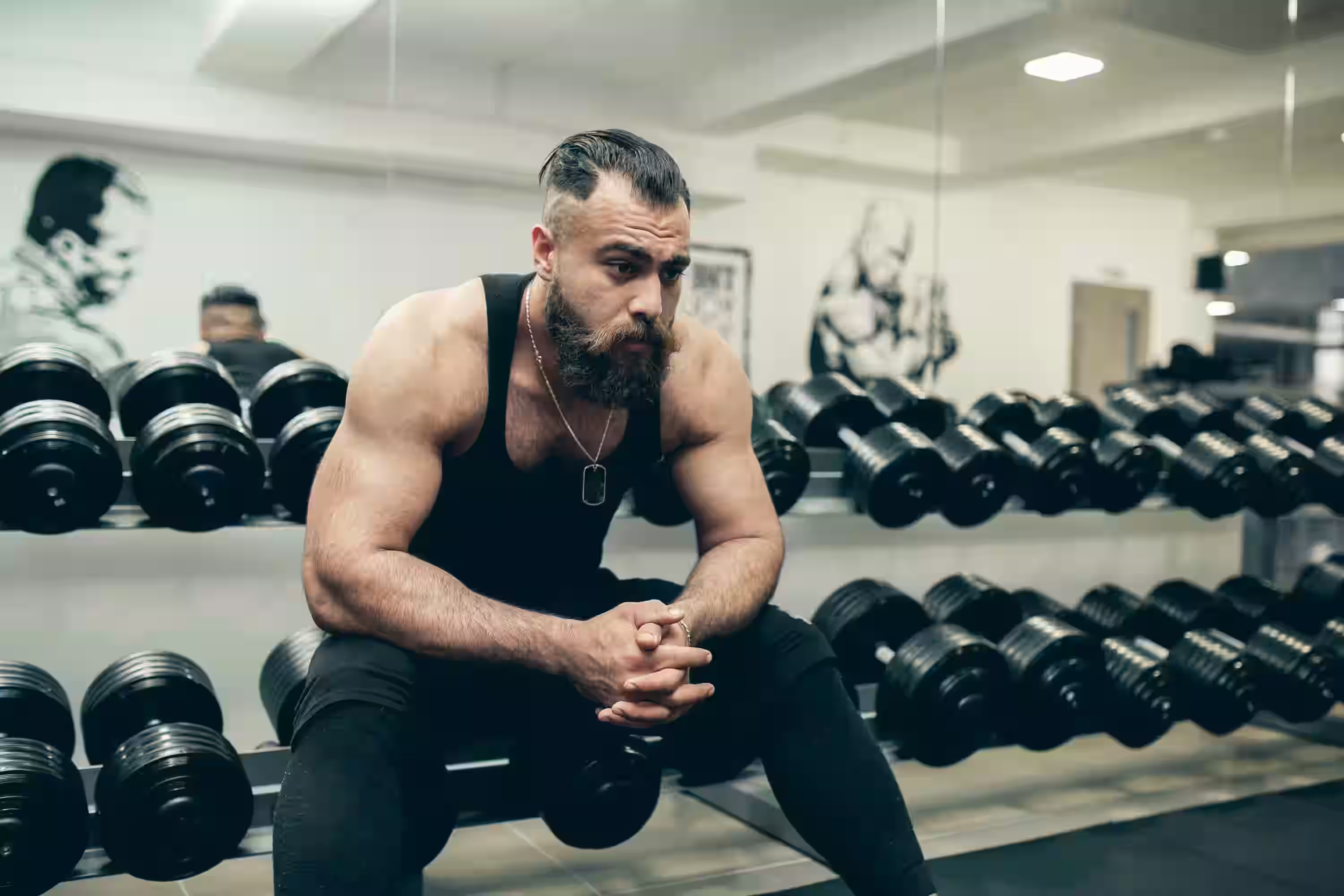
Recognizing the signs of overtraining is the first step to protecting your health and performance. Overtraining syndrome (OTS) occurs when you push your body beyond its recovery capacity, leading to a cascade of negative physical and mental effects that can derail your fitness goals. It’s a state of chronic fatigue and decline that can affect anyone from weightlifters and runners to HIIT enthusiasts and single-sport athletes.
What Is Overtraining Syndrome (OTS)?
Overtraining syndrome is a condition of prolonged fatigue and performance decline caused by excessive exercise without adequate rest[1]. It happens when the stress of training consistently outpaces the body’s ability to repair and adapt. This imbalance doesn’t just stall progress—it can actively harm your health, increase injury risk, and negatively impact your well-being. Understanding this distinction between productive training and harmful overexertion is key to sustainable fitness.
Why Recognizing Overtraining Early Is Critical
Ignoring the signs of overtraining can lead to serious consequences, from persistent injuries and hormonal disruptions to a weakened immune system and mental burnout. What starts as extra effort can quickly diminish returns, making workouts feel harder while results plateau or reverse. By learning to identify the early warnings, you can adjust your routine, prioritize recovery, and maintain a healthy, effective relationship with exercise that supports long-term goals instead of undermining them.
13 Warning Signs of Overtraining You Shouldn’t Ignore
The symptoms of overtraining syndrome often build gradually. Here are the 13 most common tip-offs that your body needs more rest.
1. Inadequate Nutrition and Caloric Intake
Maintaining an intense training schedule while cutting calories is a common trap. When the body consistently draws on its energy reserves without sufficient replenishment, it can lead to nutritional deficiencies like anemia. More serious complications can affect the cardiovascular, gastrointestinal, and endocrine systems, and may even disrupt the nervous and reproductive systems, potentially causing period loss or irregular cycles[2].
2. Excessive Muscle Soreness, Strain, and Pain
Pushing past your limits, especially during high-intensity workouts, can lead to significant muscle strain and pain. This overstressing causes soreness and can create microtears in the muscle fibers, a clear signal that the damage from exercise is exceeding the rate of repair.
3. Overuse Injuries
Repetitive stress without rest leads to overuse injuries. For runners, this often manifests as shin splints, stress fractures, or plantar fasciitis. Other common overuse injuries include joint strains, broken bones, and soft tissue injuries. High-impact exercises place significant wear and tear on the body; if you’re injured, a complete break from training is essential for healing.
4. Persistent Fatigue
While feeling tired post-workout is normal, overtraining fatigue is different. It’s a pervasive sense of being drained, especially during or immediately after exercise, that occurs because your body is repeatedly not fully recovering between sessions. This exhaustion can also stem from not consuming enough fuel before training, forcing the body to deplete its carbohydrate, protein, and fat reserves.
5. Reduced Appetite and Unintended Weight Loss
Exercise typically stimulates a healthy appetite. Overtraining, however, can create hormonal imbalances that disrupt hunger signals. OTS often leads to exhaustion, a decreased appetite, and subsequent weight loss, indicating your body is under significant metabolic stress.
6. Increased Irritability and Agitation
Overtraining dysregulates stress hormones like cortisol, which can precipitate mood changes, including depression, mental fog, and irritability. You may also experience noticeable restlessness and a lack of concentration or enthusiasm for things you usually enjoy.
7. Injuries or Muscle Pain That Won’t Heal
A hallmark sign of overtraining is extended muscle soreness or injuries that don’t seem to heal. You might have chronic or nagging pains that linger for weeks. Rest is the critical component of recovery; your body simply cannot heal effectively when it is under constant physical stress.
8. A Noticeable Decline in Performance
Instead of improving, your performance plateaus or decreases. You may experience a loss of strength, agility, and endurance, making it harder to reach your training goals. Reaction time and running speed can also slow down, directly counteracting your training efforts.
9. Workouts Feel Much More Challenging
With OTS, your perceived effort during exercise skyrockets. Workouts feel disproportionately difficult, as if they require much more energy to complete, even though your physical output might be the same. Physiologically, you may have a higher heart rate during exercise, a higher resting heart rate, and a slower heart rate recovery post-workout.
10. Poor or Disturbed Sleep
Imbalanced stress hormones make it hard to relax and release tension, often leading to trouble falling or staying asleep. This cuts into the crucial time your body needs for rest, repair, and restoration. A lack of quality sleep then fuels a cycle of chronic fatigue and further mood disturbances.
11. Frequent Illness and Lowered Immunity
Feeling run-down is often accompanied by getting sick more often. Overtraining can suppress immune function, making you more prone to infections, mild illnesses, and upper respiratory tract infections (URTIs).
12. Unexplained Weight Gain
Contrary to expectation, excessive exercise with insufficient rest can sometimes lead to weight gain. This is linked to hormonal shifts—specifically, lower testosterone and elevated cortisol levels. These changes are associated with loss of muscle tissue, increased fat storage, and excess belly fat.
13. Loss of Motivation and Enjoyment
You may find it hard to stay motivated to work out. This can stem from mental or physical exhaustion, frustration from not hitting goals, or a simple loss of enjoyment in activities you once loved. This mental burnout is a significant red flag for overtraining syndrome[3].
How to Recover From Overtraining Safely
If you recognize the signs of overtraining, taking immediate and deliberate action is crucial for recovery. The primary treatment is rest. This means taking an extended break from all high-impact or intense exercise, especially if you have injuries that need to heal or are experiencing full burnout. The goal is to slow down in all areas of life to facilitate healing.
- Professional Massage: A deep-tissue or sports massage can target affected muscles, relieve tension, and help prevent future injuries. If a professional session isn’t possible, self-massage with essential oils or a muscle balm is a good alternative.
- Hot and Cold Therapy: Using a heating pad, sauna, or hot bath can soothe aching muscles. Conversely, a cold shower or ice pack can help reduce inflammation, pain, and swelling.
- Active Recovery: Once acute symptoms subside, gentle activities like walking, yoga, or swimming can maintain mobility without adding stress.
Recovery time varies. With complete rest, you may see improvements within 2 weeks, but full healing can take up to 3 months. It’s vital to listen to your body; if symptoms return when you resume training, you need to return to a resting phase.
Proven Ways to Prevent Overtraining Syndrome
Prevention is always better than cure. Building recovery into your routine is non-negotiable for long-term success.
- Schedule Regular Rest Days: Plan rest days after demanding workouts. In weight training, avoid targeting the same muscle group on consecutive days; allow 1 to 2 days of rest for each group.
- Incorporate Rest Intervals: Within workouts, include rest intervals ranging from 30 seconds to 5 minutes. Don’t be afraid to reduce the overall volume and intensity of your sessions when needed.
- Embrace Active Recovery: On your off days, engage in low-impact activities like walking, yoga, or swimming. This promotes blood flow, relieves tightness, and aids recovery without the strain of a full workout.
- Manage Overall Stress: Balance physical stress with relaxing activities like meditation or yoga nidra to keep your nervous system in check.
- Fuel Your Body Adequately: Consume a well-balanced diet with sufficient calories from carbohydrates, protein, healthy fats, and fresh fruits and vegetables to support your energy needs and recovery processes.
Consult a doctor or sports medicine professional if you have injuries that worsen or don’t heal, experience muscle soreness lasting more than 24 hours, or have persistent joint pain. They can help you design a sustainable program that balances training with adequate recovery[4].
The Bottom Line
Excessive training is counterproductive and can be detrimental to your fitness and health. The key to progress is a balanced program that matches your fitness level, incorporates varied activities, and prioritizes rest. Listen to your body, schedule deliberate recovery days, and fuel yourself properly. By respecting the balance between exertion and recovery, you can avoid the pitfalls of overtraining syndrome and achieve your goals sustainably.
Frequently Asked Questions
How do I know if I’m overtraining or just tired?
Normal fatigue improves with rest, while overtraining causes persistent exhaustion, poor performance, and mood changes despite taking breaks.
How long does it take to recover from overtraining syndrome?
Recovery can take anywhere from a few weeks to several months, depending on severity and how quickly you reduce training intensity.
Can overtraining cause weight gain?
Yes, hormonal imbalances (like high cortisol) can lead to fat gain, especially around the abdomen.
Is overtraining syndrome common in beginners?
Yes, especially when beginners increase intensity too quickly without proper recovery or nutrition.
What’s the biggest mistake that leads to overtraining?
Ignoring rest days and under-fueling your body while maintaining high training intensity.
Explore More On This Topic




Why Trust SuppFactsDaily
At SuppFactsDaily, we cut through the noise to deliver clear, science-backed health and wellness information you can trust. We simplify complex topics around nutritional supplements, fitness, and overall well-being into practical insights that are easy to understand and apply in real life.
No exaggerated claims, no hidden agendas—just transparent, evidence-based guidance to help you make smarter decisions about your health. Because when it comes to your body, informed choices matter more than hype.