From antioxidant protection to heart health, Japanese persimmon offers more than its naturally sweet flavor.
What is Japanese Persimmon?
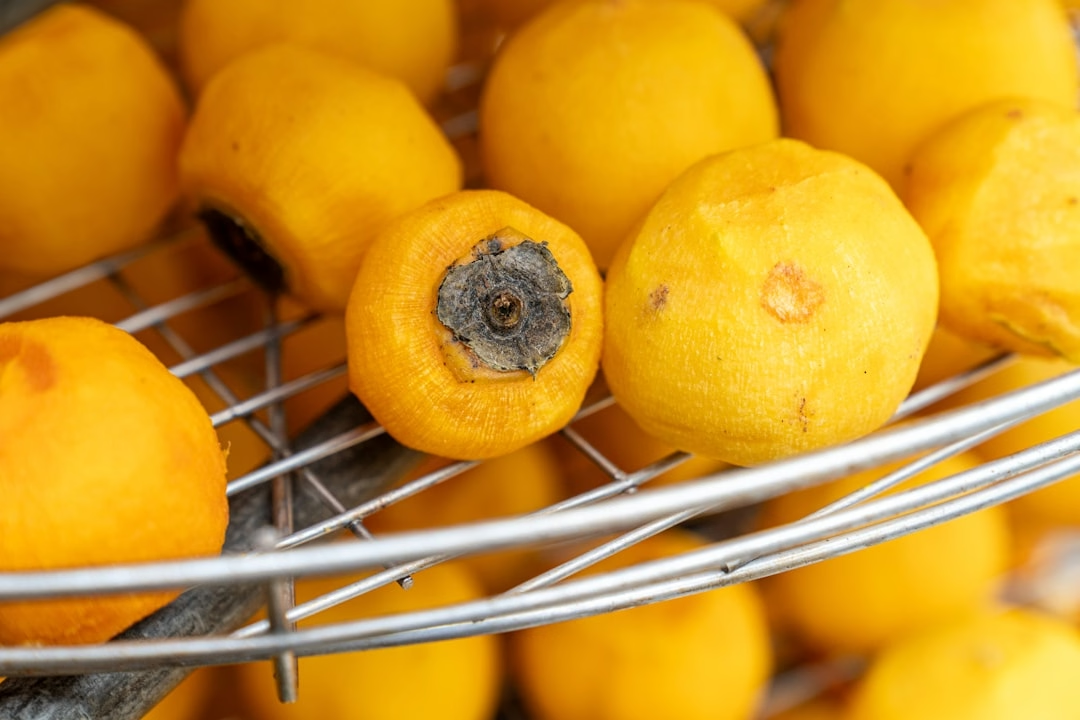
The Japanese persimmon, or kaki fruit, is a deciduous tree native to East Asia, prized for both its delicious fruit and its medicinal leaves. The fruit itself comes in astringent and non-astringent varieties, with the latter, often marketed as Sharon fruit, being sweet and edible even when firm. Beyond the fruit, persimmon leaf extract is a concentrated form of the plant’s bioactive compounds, widely studied for its health-promoting effects.
Why Is Japanese Persimmon Good for You?
In a world where chronic inflammation and oxidative stress are at the root of many modern diseases, finding natural, food-based solutions is critical. The Japanese persimmon is packed with unique compounds like tannins, flavonoids, and pectic polysaccharides that research suggests can target these underlying issues. From supporting heart and brain health to managing skin conditions and blood sugar, the evidence for its multifaceted benefits is growing.
Japanese Persimmon Health Benefits: What the Research Shows
A substantial body of research, primarily from cell, animal, and some human studies, highlights the diverse potential of Diospyros kaki. Here is a detailed look at the key findings.
1. Powerful Antioxidant and Free Radical Scavenging
The fruit, peel, and leaves exhibit strong free radical scavenging activity[1]. This persimmon antioxidant capacity helps neutralize oxidative stress, a key driver of cellular aging and chronic disease. Specific extracts have shown protective effects against oxidative damage under conditions that induce cellular senescence[2].
2. May Support Heart and Cholesterol Health
Components of the persimmon demonstrate vasorelaxant properties, which may help support healthy blood pressure[3]. Human research indicates that the tannin-rich fiber from persimmon fruit can significantly reduce cholesterol levels[4]. Furthermore, an anticoagulant fraction from the leaves has shown antithrombotic (anti-blood-clotting) activity[5].
3. Anti-Inflammatory and Anti-Allergic Effects
Extracts can inhibit allergic inflammation by modulating key pathways involving cAMP, calcium, and nuclear factor-kappaB[6]. In experimental models of rheumatoid arthritis, persimmon demonstrated significant anti-inflammatory effects[7].
4. May Support Skin Health and Healthy Aging
Oral administration of persimmon leaf extract improved skin symptoms and reduced transepidermal water loss in a mouse model of atopic dermatitis[8]. Polyphenols from the leaves have also been shown to inhibit enzyme activities linked to skin aging, suggesting an anti-wrinkle effect[9].
5. May Help Support Blood Sugar and Metabolic Health
Research points to a therapeutic potential for persimmon leaf extract in managing prediabetes[10]. Furthermore, fermented persimmon extracts may have an anti-obesity effect through the activation of AMP-activated protein kinase, a key regulator of metabolism[11].
6. May Support Immune Function
A pectic arabinogalactan (a type of polysaccharide) isolated from persimmon leaves has demonstrated immunological activity[12].
7. Neuroprotective and Cognitive Benefits
In studies on transgenic mice modeling Alzheimer’s disease, a flavonoid-rich extract from persimmon leaves attenuated cognitive deficits, reduced amyloid-beta production, and decreased oxidative stress and neuroinflammation[13].
8. Bone Health Support
Polysaccharides from persimmon leaves have shown anti-osteoporotic effects by inhibiting osteoclastogenesis, the process of bone breakdown[14].
9. Eye Health Protection
Persimmon leaf extracts have been found to ameliorate chemical-induced retinal degeneration in mice[15] and inhibit alkali burn-induced corneal neovascularization (abnormal blood vessel growth)[16].
10. Antiviral Properties
Plant-derived tannins from persimmon exhibit strong, broad-spectrum virus-inactivating effects[17].
11. Body Temperature Regulation
Research suggests that consuming Japanese persimmon may influence peripheral body temperature, with one study reporting a decrease following ingestion[18]. However, more research is needed to understand the mechanism behind this effect and whether it has meaningful health implications.
12. Anti-Radiation Activity
Persimmon tannins have demonstrated protective activity against radiation-induced damage in experimental research[19]. While these findings are promising, this potential benefit has not been established as a protective effect in humans.
13. Biological Activity of Peel Extracts
Japanese persimmon peel is a rich source of bioactive compounds, including polyphenols and other phytochemicals that contribute to its antioxidant potential[20]. These compounds may add to the overall health-promoting properties of the fruit.
14. Analysis of a Proprietary Leaf Preparation
Chromatographic analysis of Naoxinqing Tablet, a preparation made from Diospyros kaki leaves, identified compounds associated with antioxidant activity[21]. These findings provide further evidence of the bioactive potential of persimmon leaves, although they should not be interpreted as proof that the preparation provides the same benefits in humans.
What to Know Before Using Japanese Persimmon
While generally safe when consumed as food, there are important persimmon side effects and precautions to consider.
- Allergic Reactions: Allergy caused by ingestion of persimmon has been documented, with detection of specific IgE and cross-reactivity to other plant proteins[22]. Cases of anaphylaxis after eating Sharon fruit have also been reported[23].
- Bezoar Formation (Diospyrobezoars): This is a serious and well-known risk, especially from consuming large amounts of astringent, unripe persimmons. The tannins can form indigestible masses in the stomach, leading to gastric outlet syndrome[24] or intestinal obstruction[25]. Those with a history of stomach surgery or slow digestion are at higher risk.
- Drug Interactions: Due to the anticoagulant activity found in leaf extracts[5], there is a theoretical risk of interaction with blood-thinning medications (like warfarin). The persimmon interactions with other medications have not been thoroughly studied.
How to Include Japanese Persimmon in Your Diet
There is no universally established persimmon dosing guideline for therapeutic purposes, as research uses various extracts and forms.
- As a Food: Enjoy the ripe fruit in moderation. Choose non-astringent (fully ripe) varieties to avoid the high tannin content that can cause bezoars.
- Leaf Extract & Supplements: The human study on cholesterol used 3 grams of persimmon fruit tannin-rich fiber daily for 12 weeks[4]. For persimmon leaf extract or other concentrated supplements, it is crucial to follow the manufacturer’s instructions on the product label and consult a healthcare provider, as potency varies widely.
- General Advice: Always start with a low amount to assess tolerance. Never consume unripe, astringent persimmons in large quantities. If you are pregnant, breastfeeding, taking medication, or have a medical condition, speak with a doctor before using persimmon supplements.
The Bottom Line
The Japanese persimmon is more than a tasty autumn fruit. Strong scientific evidence suggests its fruit, peel, and leaves offer impressive persimmon antioxidant, anti-inflammatory, cardioprotective, and neuroprotective benefits.
However, awareness of potential persimmon side effects, particularly allergies and the risk of bezoars from unripe fruit, is essential. When using concentrated extracts, professional guidance on persimmon dosing is recommended to ensure safety and efficacy.
Frequently Asked Questions
What are the main Japanese persimmon health benefits?
Japanese persimmon is rich in antioxidants, tannins, flavonoids, and other plant compounds. Research suggests that these compounds may support antioxidant protection, cardiovascular health, inflammation management, metabolic health, skin health, and immune function. However, some benefits are supported mainly by laboratory and animal studies.
Is Japanese persimmon good for heart health?
Japanese persimmon may support cardiovascular health. Research has found that certain persimmon compounds may promote blood vessel relaxation, while tannin-rich fiber from the fruit has been studied for its potential to help reduce cholesterol levels.
Can Japanese persimmon help control blood sugar?
Early research suggests that persimmon leaf extracts may have potential metabolic and blood sugar benefits. However, more human research is needed before Japanese persimmon or its extracts can be considered a treatment for blood sugar disorders.
What is the safest way to eat Japanese persimmon?
Choose ripe, edible varieties and avoid consuming large amounts of unripe, highly astringent fruit. If you are considering persimmon leaf extract or another concentrated supplement, follow the product’s directions and speak with a healthcare professional when appropriate.
Is Japanese persimmon safe during pregnancy or breastfeeding?
There is not enough evidence to establish the safety of concentrated persimmon supplements or leaf extracts during pregnancy and breastfeeding. Food amounts may differ from concentrated preparations, so it is best to consult a healthcare professional before using persimmon supplements.
You May also Like




Why Trust SuppFactsDaily
Confused by supplements, nutrition advice, and endless health trends? SuppFactsDaily cuts through the noise with clear, science-backed insights on supplements, health, wellness, and nutrition you can actually trust. Every article is built using credible sources like NIH, Cleveland Clinic, and leading medical institutions.
No hype. No guesswork. Just practical guidance to help you make smarter health decisions with confidence.
Image Credits
Photo by Winston Chen on Unsplash
References
[1] Free radical scavenging effect of Diospyros kaki, Laminaria japonica and Undaria pinnatifida
[3] Screening of vasorelaxant activity of some medicinal plants used in Oriental medicines
[4] Persimmon fruit tannin-rich fiber reduces cholesterol levels in humans
[5] The anticoagulant fraction from the leaves of Diospyros kaki L. has an antithrombotic activity
[10] Assessment of the Therapeutic Potential of Persimmon Leaf Extract on Prediabetic Subjects
[11] Anti-obesity effect of fermented persimmon extracts via activation of AMP-activated protein kinase
[16] Diospyros kaki Extract Inhibits Alkali Burn-Induced Corneal Neovascularization
[19] Extraction, purification and anti-radiation activity of persimmon tannin from Diospyros kaki L.f
[20] Biological activity of persimmon (Diospyros kaki) peel extracts
[23] Anaphylaxis after ingestion of Sharon fruit
[24] Gastric outlet syndrome caused by persimmon (Diospyros kaki) bezoars
[25] Obstruction in the third portion of the duodenum due to a diospyrobezoar: a case report