
The supplement aisle is full of promises, but choosing wisely takes more than reading the front of the bottle.
What Are Dietary Supplements?
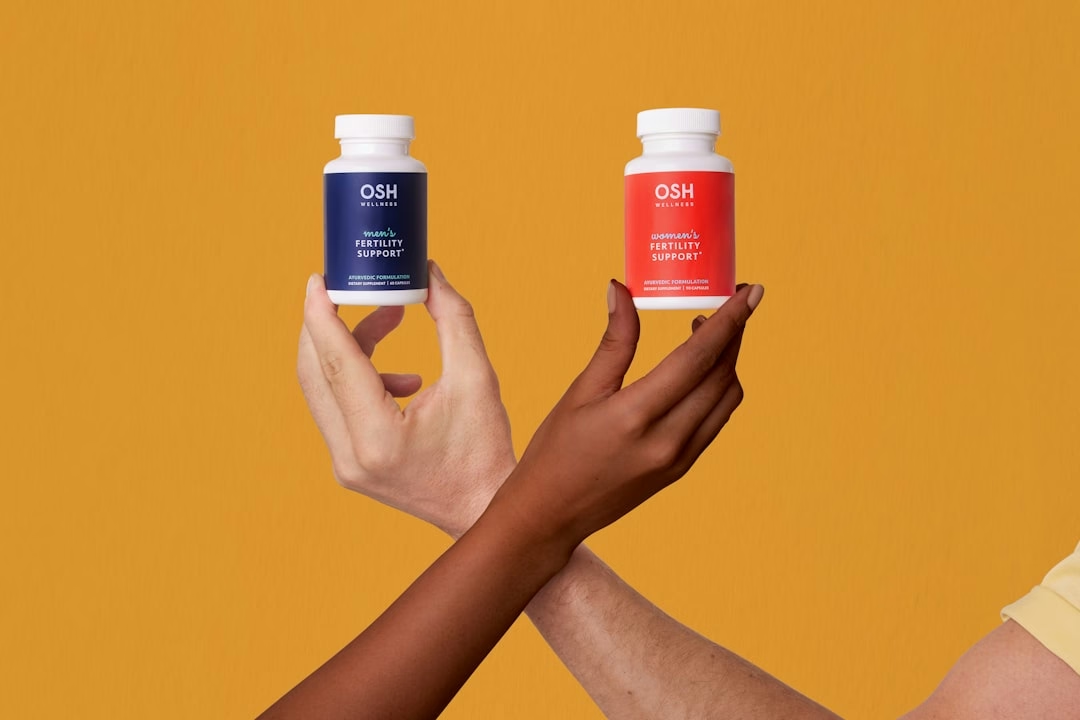
Dietary supplements are oral products that deliver one or more “dietary ingredients,” including vitamins, minerals, herbs and botanicals, amino acids, enzymes, probiotics, and antioxidants [1]. Manufacturers sell them as capsules, gummies, liquids, powders, and tinctures, promoting them as a convenient way to support wellbeing.
A few terms are worth knowing:
Vitamins: Nutrients the body needs to keep growth, nerve activity, and digestion running smoothly. Fat-soluble vitamins (A, D, E, and K) dissolve in fat and can build up in body tissue, while water-soluble vitamins (C and the B group) dissolve in water and are not held in reserve.
Minerals: Inorganic elements the body relies on for growth, strong bones, and fluid balance.
Proprietary blend: A mixture of ingredients formulated by a company, often without revealing how much of each component is inside.
Most healthy people can obtain every vitamin and mineral they need from food. The word “supplement” says it all. these products are meant to add to your diet, not stand in for it, so eating a balanced and varied diet remains essential.
Why Food Comes First
Whole foods are the most reliable way to meet your nutritional needs, because each one offers its own mix of nutrients. Citrus fruits, for instance, are rich in vitamin C, and leafy greens are a great source of vitamin K[2][3]. Food also supplies protein, healthy fats, and fiber[4][5], along with antioxidants and plant compounds tied to lower inflammation and a reduced risk of chronic illness[6][7][8].
Supplements, by comparison, typically deliver isolated, concentrated doses of a few nutrients and lack the wider benefits of real food[9]. A large observational study[10] of 30,899 adults found that getting enough of certain nutrients from food was linked to a lower risk of dying from heart disease or any other cause, whereas taking the same nutrients as pills showed no such reduction.
Still, people who are deficient, or who face a higher risk of deficiency, such as pregnant women, may gain real benefits from supplements when a healthcare professional recommends them.
Who May Need Supplements?
Healthy adults generally don’t need them, but some groups may benefit from dietary supplements[11][12][13][14]:
Pregnant or breastfeeding women Infants who are fully or partly breastfed Children and adults with a diagnosed deficiency People whose health conditions interfere with nutrient absorption Anyone who has had bariatric surgery, such as gastric bypass Children and adults with limited access to food Certain vegans and vegetarians
Some shortfalls are especially common. Vitamin D is a good example: low levels are widespread[15]. the nutrient is hard to get in sufficient quantity from food, and roughly one billion people around the globe are thought to have low levels[16]. Risk rises with regular sunscreen use, living far from the equator, spending most time indoors, having darker skin[17], and the skin changes that come with age[18]. That is why vitamin D supplements are so often advised.
Speak with a healthcare provider about the right type and amount for you. Prenatal vitamins are advised during pregnancy and sometimes while breastfeeding, but people in these groups should usually steer clear of herbal products unless their medical provider says otherwise[19].
Supplements for Children
Kids who eat a varied diet can usually get what they need from meals[20], though there are exceptions. The American Academy of Pediatrics advises giving about 400 IU of vitamin D a day to infants who are partly or fully breastfed, until they drink vitamin-D-fortified milk[13].
Children and teenagers who follow a strict plant-based diet may run short on vitamin B12, calcium, iron, zinc, and vitamin D[21]. Meeting these needs through food is possible but takes careful planning, so supplements are sometimes appropriate[21]. A pediatrician can recommend what is safe for your child.
Why Independent Testing Matters
Regulators such as the FDA do not assess the effectiveness, safety, or quality of dietary supplements or their ingredients before they reach the market[1]. As a result, nothing guarantees that a product contains what the label claims, and the contents may differ from one batch to the next.
Companies must follow Current Good Manufacturing Practices (CGMP), but these rules are not always enforced[22]. Your best safeguard is choosing products verified by an independent third-party testing organization.
How Third-Party Certification Works
Independent testing is voluntary, so a company that seeks it is signaling a commitment to quality. A Certificate of Analysis (COA) from an organization such as NSF, USP, the Banned Substances Control Group (BSCG), or ConsumerLab is a strong sign. Certified products are generally checked to confirm[23]:
The label’s ingredients are present in the stated amounts. Each batch is consistent with the last. Contaminants, including possible drug residues, stay below harmful levels. No undisclosed ingredients are hiding inside.
Athletes should look for the NSF Certified for Sport mark, which confirms the product contains none of more than 270 substances prohibited by major sports bodies[24].
Key Safety Tips
Concentrated doses of individual ingredients come with risks. Keep these points in mind.
1. Drug and Food Interactions
Supplement ingredients can react badly with medications, other supplements, foods, or alcohol[25]. Vitamin E supplements may raise bleeding risk in people taking blood thinners, and calcium supplements can weaken the effect of some antibiotics and hinder iron absorption[26][27].
Some products can even distort lab tests. The FDA has cautioned that biotin (vitamin B7) can produce falsely low results on troponin tests used to diagnose heart attacks[28].
Herbal products deserve extra caution, since many interact with medications and too little human research exists to confirm they are safe[29][30].
2. Toxicity at High Doses
Getting nutrients from pills makes it easier to take too much. Many nutrients have a Tolerable Upper Intake Level (UL), meaning the highest daily amount unlikely to cause harm in the general population[31], and it differs by age, sex, and pregnancy status[32][33].
Fat-soluble vitamins (A, D, and E) are the biggest worry because surplus amounts accumulate in the body. Excess can be toxic, causing irregular heartbeat, organ damage, bleeding, stroke, and, in extreme cases, coma or death[34][35][36][26].
Water-soluble vitamins are less likely to poison you since the body doesn’t store them, yet steady, very large doses can still lead to stomach upset, liver damage, or permanent nerve damage[34][37][38].
Stay under the UL unless a doctor is supervising you. Children face greater danger because their limits are often far lower[32]. Keep all supplements out of reach of children, particularly tempting gummy vitamins[39][40].
3. Side Effects
Even standard doses can cause problems. Nausea, diarrhea, and headaches are the most frequent and usually mild. Iron is notorious for upsetting the stomach[41]. Herbal ingredients in particular can trigger more serious reactions, such as allergies, higher blood pressure, or an irregular heartbeat[42][43].
4. Ineffectiveness
Because oversight is limited, a product may hold less of an ingredient than advertised, which wastes money and can be dangerous if you depend on it to fill a nutrient gap. Checking for independent certification is the simplest way to reduce this risk before you buy.
Be skeptical of marketing claims. Companies may not state that a product cures, treats, or lowers the risk of a disease without research to back it up[44]. They are allowed to make structure or function claims, such as “supports energy levels,” which need no proof[44].
Multi-Level Marketing (MLM) Supplement Companies
The boom in wellness products has fueled the rise of multi-level marketing (MLM) supplement brands. Independent representatives earn money by selling one company’s products, and commissions sometimes flow through a pyramid-shaped structure.
Herbalife, Shaklee, Amway, and Plexus are well-known examples. Some products may be fine, but many have never been tested by a third party for safety or accuracy, so buyers risk getting something weak or poorly made[45].
These products often blend herbs and botanicals whose long-term safety is unproven, sometimes with dangerously high vitamin and mineral levels[45]. Ingredient quality can be questionable, and formulas may include artificial colors, flavors, and additives. If you consider an MLM product, still check for the basics: a clear ingredient list, a sensible dose, and third-party certification.
Safety and Side Effects at a Glance
- Interactions: Ingredients can clash with medications, other supplements, food, and alcohol.
- Toxicity: Fat-soluble vitamins (A, D, E) carry the highest risk, and going beyond the UL can cause organ damage, hemorrhagic stroke, coma, or death.
- Side effects: These range from mild nausea, diarrhea, and headaches to allergic reactions, raised blood pressure, and irregular heartbeat. Iron often upsets digestion.
- Contamination: Untested products may contain harmful contaminants or unlisted ingredients.
- Child safety: Kids overdose more easily, so store all supplements, especially gummies, out of sight and reach.
- Lab interference: Biotin and similar products can skew medical tests, including those for heart attacks.
Dosage and Use
Getting the dose right matters for both safety and results:
- Respect the UL: Never go over the Tolerable Upper Intake Level for any vitamin or mineral without direct medical supervision. Limits vary with age, sex, and pregnancy.
- Infant vitamin D: The AAP suggests roughly 400 IU daily for partly or fully breastfed babies until they take vitamin-D-fortified milk.
- Personal dosing: The right amount depends on your needs, any deficiencies, and your health conditions, so ask a healthcare provider.
- Prenatal vitamins: Advised in pregnancy and sometimes during breastfeeding, while herbal products should generally be avoided unless a medical provider approves.
- Children: Kids and teens need less than adults and have lower ULs, so stick with pediatrician-recommended products and doses.
- Food timing: Follow the label. Iron absorbs better with vitamin C, while some supplements can upset an empty stomach.
- No mega-doses: Steady, very large amounts of water-soluble vitamins can still injure the liver and nerves.
How to Read Labels and Build a Smarter Supplement Routine
Once you understand the basics of dietary supplements, the label becomes your most useful tool. Start with the Supplement Facts panel, which lists each active ingredient, the serving size, and the amount per serving. Compare those numbers with the Recommended Dietary Allowance and the Tolerable Upper Intake Level, because many dietary supplements contain far more than most people need.
1. Spot Proprietary Blends
Watch for proprietary blends. When a label groups several ingredients under one name without listing individual amounts, you cannot tell whether the product contains a helpful dose or only a trace of the ingredient you want. Transparent dietary supplements list every amount clearly. Also check the expiration date, because potency can fall over time, especially when dietary supplements are stored in heat, humidity, or direct sunlight.
2. Absorption Matters as Much as Dose
The amount on the label is not always the amount your body uses. Bioavailability describes how much of a nutrient actually enters your bloodstream, and it varies by form. Some minerals compete for nutrient absorption, which is why calcium and iron are often taken at different times of day. Taking certain dietary supplements with a meal can improve tolerance, while others work best on an empty stomach, so always follow the directions on the package.
3. Verified Seals Build Confidence
A seal such as the USP Verified mark signals that a product was reviewed by an independent group. Because the market for dietary supplements is huge and varied, these seals help you separate reliable brands from risky ones. Strong supplement quality starts with transparent sourcing, clear labeling, and consistent third-party testing.
4. Match Products to Real Needs
Not everyone needs a whole bottle of pills. A blood test can confirm a nutrient deficiency before you spend money on dietary supplements you may not need. Taking dietary supplements without a diagnosis can hide symptoms or even create new problems.
5. Simple Habits for Safer Use
Build a routine that keeps risk low. Keep a written list of everything you take, including dietary supplements, over-the-counter medicines, and herbal products, and share it with your healthcare provider at every visit. Avoid combining several products that contain the same nutrient, since overlapping doses of dietary supplements can quietly push you past safe limits.
6. Red Flags to Avoid
Companies that sell dietary supplements should provide a Certificate of Analysis on request, and if a brand refuses, choose another. Be wary of prices that seem too good to be true, since cheap dietary supplements may use low-grade ingredients or lower doses than advertised.
Your Quick Buying Checklist
Before buying, ask five questions: Is there a real need? Is the dose within safe limits? Is the product independently tested? Are the ingredients fully disclosed? Has a professional approved it? Answering yes to each one makes your choice of dietary supplements far safer. Remember that even the best dietary supplements are only a supporting player to a balanced diet, regular movement, good sleep, and routine medical care.
The Bottom Line
Safe, effective supplement use takes care. A varied diet of whole foods is the best source of nutrients, though supplements can fill gaps for certain groups. The most important step is choosing products verified by independent testers such as NSF, USP, or ConsumerLab. Talk with a healthcare professional before starting anything new, to confirm you need it, get the right dose, and rule out interactions with your medications or health conditions.
Treat supplements as a supporting tool rather than a shortcut, and pair them with nutritious meals, regular activity, quality sleep, and routine checkups for the best long-term results.
You May Also Like



Why Trust SuppFactsDaily
Confused by supplements, nutrition advice, and endless health trends? SuppFactsDaily cuts through the noise with clear, science-backed insights on supplements, health, wellness, and nutrition you can actually trust. Every article is built using credible sources like NIH, Cleveland Clinic, and leading medical institutions.
No hype. No guesswork. Just practical guidance to help you make smarter health decisions with confidence.
Image Credits
Photo by Shruti Mishra on Unsplash
References
[1] FDA 101: Dietary Supplements
[2] Vitamin C in Disease Prevention and Cure: An Overview
[3] Vitamin K: an old vitamin in a new perspective
[4] Dietary Fat and Cholesterol
[5] Dietary fiber and health: an overview
[6] Antioxidants: Positive or Negative Actors?
[7] Phytochemicals as Potential Candidates for COVID-19 Therapeutics
[8] The Role of Phytochemicals in the Inflammatory Phase of Wound Healing
[9] Dietary Supplements: Regulatory Challenges and Research Resources
[10] Association Among Dietary Supplement Use, Nutrient Intake, and Mortality Among U.S. Adults
[11] Dietary supplements and functional foods in the management of hyperlipidemia
[12] Maternal Diet
[13] Vitamin D & Iron Supplements for Babies: AAP Recommendations
[16] Vitamin D Deficiency
[17] Sunlight and Vitamin D: A global perspective for health
[18] Vitamin D and aging
[19] Herbal Supplements in Pregnancy: Effects on Conceptions and Delivery
[20] Things to Know About Dietary Supplements for Children and Teens
[21] Health effects of vegan diets
[23] What is Third-Party Certification?
[25] Dietary Supplements: A Framework for Evaluating Safety
[26] Vitamin E – Health Professional Fact Sheet
[27] Calcium – Health Professional Fact Sheet
[29] Herbal Supplements: Current Trends and Their Effects on the Gut
[30] Herbal Supplements: Considerations for the Athletic Trainer
[31] Dietary Reference Intakes: The Essential Guide to Nutrient Requirements
[32] Tolerable Upper Intake Levels (UL) for Vitamins and Elements
[33] Dietary Reference Intakes for Sodium and Potassium
[34] Vitamin Toxicity
[35] Vitamin A – Health Professional Fact Sheet
[36] Vitamin D – Health Professional Fact Sheet
[37] Vitamin B6: A Long Known Compound of Surprising Complexity
[38] Acute liver failure caused by high-dose vitamin A supplementation
[39] Pediatric exposures to vitamins and supplements in the United States, 2004-2013
[40] Acute iron poisoning in children
[41] Iron supplementation: one size does not fit all
[42] Adverse effects of plant food supplements: a systematic review with critical evaluation of causality
[43] Cardiovascular Toxicity of Nicotine: Implications for Electronic Cigarette Use