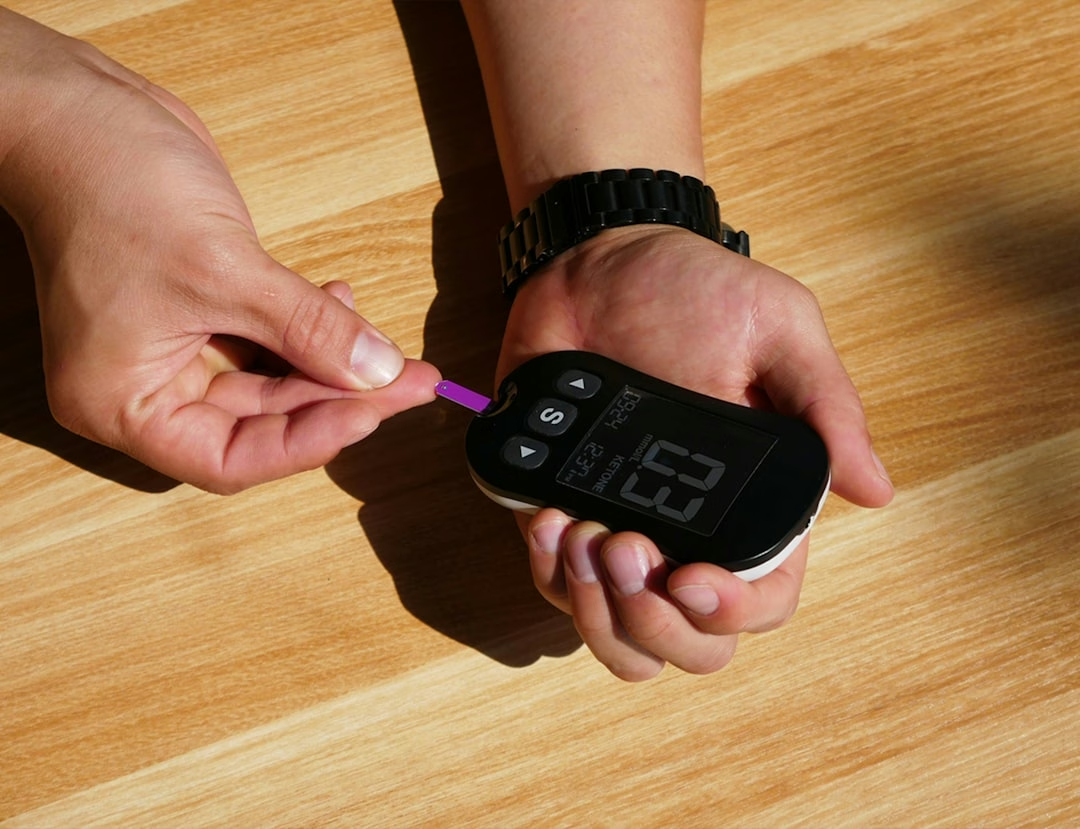
Managing diabetes isn’t only about controlling after-meal spikes—steady background glucose control matters too.
Basal insulin helps address this often-overlooked part of diabetes management by providing ongoing insulin coverage when you’re between meals or asleep. Understanding how it works, the different options available, and how its use is tailored can offer a clearer picture of its role in maintaining balanced blood glucose levels.
What Is Basal Insulin?
The primary role of basal insulin is to maintain stable blood glucose levels during fasting periods, such as overnight sleep or between meals. Without it, glucose levels can rise alarmingly. Your liver continuously releases glucose into your bloodstream, even when you’re not eating. Basal insulin counteracts this release, ensuring your cells receive a constant, manageable supply of glucose for energy throughout the day. This foundational insulin therapy is a cornerstone of modern diabetes management.
Why Is Basal Insulin Important for Diabetes Control?
For many people with diabetes, incorporating basal insulin into their regimen offers significant benefits. It provides better control of blood sugar between meals and allows for a more flexible lifestyle. For instance, using long-acting insulin eliminates concerns about peak activity times, making meal timing less rigid. It can also help reduce the risk of hypoglycemia (low blood sugar). If you struggle to maintain target glucose levels in the morning, adding basal insulin to a dinnertime or bedtime routine can be particularly helpful[1].
What Are the Main Types of Basal Insulin?
There are three primary categories of basal insulin, each with distinct onset, peak, and duration profiles. Choosing the right type involves considering your lifestyle, injection preferences, and individual physiological factors like body size, hormone levels, diet, and residual pancreas function.
1. Intermediate-Acting Insulin (NPH Insulin)
Common brand names include Humulin N and Novolin N. This insulin is typically administered once or twice daily and is often mixed with mealtime insulin in the morning or before the evening meal. Its effects peak hardest between 4 to 8 hours after injection and begin to wane after about 16 hours.
2. Long-Acting Insulin
This category includes two main types: insulin detemir (Levemir) and insulin glargine (available as Toujeo, Lantus, and Basaglar). These insulins begin working 90 minutes to 4 hours after injection and remain active in the bloodstream for up to 24 hours, though duration can vary slightly person-to-person. Unlike NPH, they have no pronounced peak; they work at a steady, continuous rate throughout the day.
3. Ultra-Long-Acting Insulin
Insulin degludec (Tresiba) is an ultra-long-acting basal insulin. It begins working within 30 to 90 minutes and can remain active for up to 42 hours. Like other long-acting types, it works at a steady rate with no peak. It is available in two strengths—100 U/mL and 200 U/mL—so careful attention to labeling and instructions is essential. Unlike detemir and glargine, degludec may be mixed with other rapid-acting insulins.
Basal Insulin Dosage: How Is It Used?
There are three primary insulin dosage strategies for administering basal insulin, each with its own considerations. Your doctor or endocrinologist will help determine the best approach for your individual needs.
1. Using NPH Insulin Once or Twice Daily
This method can be beneficial because NPH insulin peaks during predawn and afternoon hours when insulin demand is often highest. However, this peak can be unpredictable, influenced by meals, meal timing, and activity levels. This unpredictability may increase the risk of nocturnal hypoglycemia or unstable glucose levels during the day.
2. Taking Long-Acting Insulin (Detemir, Glargine, or Degludec) at Bedtime
The continuous, non-peaking action of these insulins is a key advantage. A potential drawback for detemir and glargine is that their effects may wear off slightly before the 24-hour mark for some individuals, leading to higher glucose levels before the next scheduled injection. Degludec, with its 42-hour duration, is designed to last until the next injection.
3. Using an Insulin Pump for Basal Delivery
An insulin pump allows for precise adjustment of the basal insulin delivery rate, which can be tailored to match your liver’s glucose output patterns. The main risk associated with pump therapy is the potential for diabetic ketoacidosis due to pump malfunction; any mechanical issue can disrupt the correct insulin dosage delivery.
Basal Insulin Safety, Side Effects & Risks
While effective, basal insulin therapy carries potential insulin side effects. The most common is hypoglycemia (low blood sugar). Weight gain is also possible, though it is typically less pronounced with basal insulin compared to other insulin types. Certain medications can interfere with insulin’s effectiveness. Drugs including beta-blockers, diuretics, clonidine, and lithium salts may weaken the effects of basal insulin. It is crucial to discuss all current medications with your doctor to identify and manage any dangerous drug interactions.
The Bottom Line
Basal insulin is a fundamental tool for achieving stable blood glucose levels and effective diabetes management. By providing steady background coverage, it helps manage the glucose your body produces naturally, offering greater lifestyle flexibility and reducing risks. Working closely with your healthcare provider is essential to determine which type—NPH insulin, long-acting, or ultra-long-acting—and which dosage strategy best fits your individual health profile and daily life.
Frequently Asked Questions
What is the difference between basal and bolus insulin?
Basal insulin provides background insulin coverage throughout the day and night, while bolus insulin is generally used to address the rise in blood glucose associated with meals or to correct elevated glucose levels.
How can you tell if basal insulin is working properly?
Healthcare professionals may look at glucose patterns, particularly readings during periods when food and mealtime insulin are less likely to affect glucose levels. Consistently elevated or unexpectedly low readings may indicate that the treatment plan needs review.
Why can blood glucose be high in the morning?
Morning glucose levels can be influenced by several factors, including hormonal changes that occur before waking, overnight glucose patterns, food intake, medication effects, and individual insulin requirements. Persistent morning highs should be discussed with a healthcare professional rather than assumed to be caused by insufficient basal insulin.
Does stress affect how much insulin the body needs?
Stress can affect blood glucose regulation by triggering hormonal changes that may raise glucose levels or alter insulin sensitivity. If stress is consistently accompanied by changes in glucose readings, it is worth discussing the pattern with your healthcare team.
What should you discuss with your doctor before starting basal insulin?
Useful topics include your current medications, typical glucose patterns, daily routine, eating habits, physical activity, previous episodes of low blood glucose, injection preferences, and any concerns about insulin therapy. This information can help your healthcare professional develop a treatment plan suited to your needs.
Confused by supplements, nutrition advice, and endless health trends? SuppFactsDaily cuts through the noise with clear, science-backed insights on supplements, health, wellness, and nutrition you can actually trust. Every article is built using credible sources like NIH, Cleveland Clinic, and leading medical institutions.
No hype. No guesswork. Just practical guidance to help you make smarter health decisions with confidence.