Glowing skin is just the start—the benefits of Vitamin E go far beyond, supporting your body in ways you might not even realize.
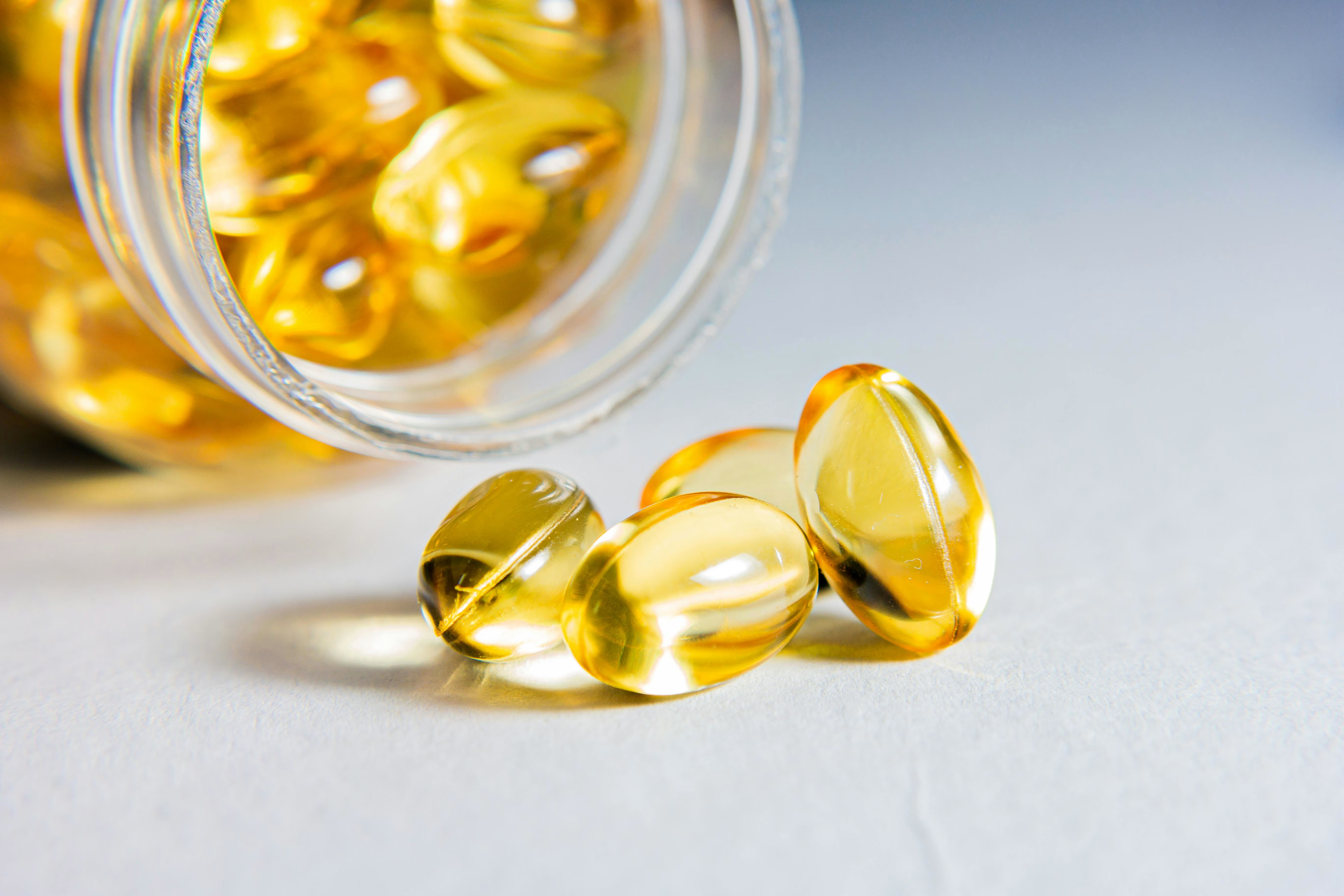
What Is Vitamin E & Why Does Your Body Need It?
- Vitamin E is a fat-soluble vitamin. Alpha-tocopherol is the only type of fat-soluble vitamin E that the human body uses.
- Its primary function is to function as an antioxidant by scavenging free electrons, or “free radicals,” which have the potential to harm cells.
- Additionally, it strengthens the immune system and keeps blood clots from developing in the heart arteries.
Why Your Diet Is the Best Source of Vitamin E
A balanced and nourishing diet is the best way to obtain the Recommended Daily Allowance (RDA) of vitamins and minerals according to The Dietary Guidelines for Americans 2020–2025. [11]
This is due to numerous factors such as:
- Other healthy elements like fiber and protein can be found in whole foods.
- Vitamin E-rich plant-based foods can be consumed in place of highly processed and low-nutrient diets.
- High vitamin E levels, which are frequently found in supplements may be harmful to one’s health.
However, certain people may require supplements to address a vitamin deficit such as those who follow low-calorie diets or have specific dietary limitations.
Keep in mind that the majority of studies on vitamin E’s effects employ supplements to assess how increasing vitamin E intake affects health.
Top Health Benefits of Vitamin E
1. Supports Healthier, Stronger Skin
2. Helps Fight Oxidative Stress & Cell Damage
When your body’s antioxidant defenses are out of balance with the generation and build-up of substances known as reactive oxygen species (ROS), oxidative stress results. Cellular damage and an elevated risk of illness may result from this.
- Oxidative stress may make one more susceptible to cancer, heart disease, eye conditions or disorders and cognitive deterioration.
- According to a 2021 study, giving female volunteers (with endometriosis) daily supplements of vitamin E and vitamin C for eight weeks decreased oxidative stress markers like malondialdehyde and ROS. [3]
High dosages of vitamin E pills, however may raise the risk of various illnesses in some other populations such as:
- Hemorrhagic stroke and Bleeding
- All-cause mortality from prostate cancer.
When vitamin E is ingested through food there is no known danger of these negative consequences.
3. May Support Heart Health & Cholesterol Balance
- Some research indicates that Vitamin E supplements may help lower some heart disease risk factors in certain individuals. Further research is required to support this.
- According to a 2019 study comprising 18 trials: Vitamin E supplements significantly lowered systolic blood pressure but not diastolic blood pressure when compared to placebo treatments. [4]
Additionally, vitamin E taken alongside omega-3 supplements may lower LDL and triglyceride levels in individuals with metabolic syndrome according to several research studies. A group of disorders known as metabolic syndrome, which includes elevated blood fat levels, increases the risk of heart disease and other illnesses. [5]
4. May Improve Respiratory Functions
Vitamin E supplements may help with lung function and some symptoms of adult asthma according to a 2019 study. Children with asthma may benefit similarly from vitamin E according to the findings of a previous study. To better support these conclusions, more research is still required. [6]
5. Supports Brain Health & Cognitive Function
Maintaining optimal vitamin E levels and taking supplements may help prevent cognitive decline. Whether the supplements help those with cognitive disorders like Alzheimer’s disease is still unknown. [7]
6. Increasing Age and Vitamin E
Increased intake of vitamin E may help older adults who have higher needs or don’t get enough from their diets because it plays vital roles in health, including lowering inflammation and boosting immunity. This could apply to senior citizens. [8]
7. Other Emerging Benefits of Vitamin E
Vitamin E from Natural Sources
A balanced diet makes it simple to get vitamin E:
- Nuts and Seeds: Sunflower seeds, almonds
- Vegetable oils: wheat germ oil and sunflower oil
- Broccoli and spinach are examples of green leafy vegetables.
- Fruits: kiwis and avocados
- Fortified Cereals and Liquids.
How to Use Vitamin E Safely & Effectively
Natural sources are better for absorption.
- Supplements: If a medical professional prescribes them, they may be taken. Since it is fat-soluble, it is best consumed with meals containing healthy fats.
- Adverse Effects: When taken in the recommended dosages, vitamin E is usually safe. On the other hand, excessive consumption (particularly through supplements) may result in: Headaches or nausea; an increased risk of bleeding; and weakness or exhaustion.
The Bottom Line
Vitamin E is a fat-soluble nutrient. The human body requires this antioxidant for various processes. However, supplements are often not necessary because most people get adequate vitamin E from their diet.
Large vitamin E supplements may have adverse effects and interfere with certain medications. If you’re considering increasing your vitamin E intake, talk to a healthcare professional about your specific health concerns first.
References
[1] PubMed: Vitamin E in Atopic Dermatitis: From Preclinical to Clinical Studies
[2] PubMed: Vitamin E supplementation in inflammatory skin diseases
[4] PubMed: Effect of vitamin E supplementation on blood pressure: a systematic review and meta-analysis
[7] PubMed: The Role of Vitamin E in Slowing Down Mild Cognitive Impairment: A Narrative Review
[8] PubMed Central: Perspective: Should Vitamin E Recommendations for Older Adults Be Increased?
[10] PubMed Central: Systematic review with meta-analysis: The effect of vitamin E supplementation in adult patients with non-alcoholic fatty liver disease
[11] PubMed Central: Dietary Guidelines for Americans, 2020–2025
[12] National Library of Medicine: Dietary Reference Intakes for Vitamin C, Vitamin E, Selenium, and Carotenoids.