Perimenopause can change how your body stores fat, uses energy, and protects muscle and bone—but the right foods can help you adapt.
The transition into menopause brings changes that can affect more than your hormones. As estrogen levels fluctuate and eventually decline, the body can undergo shifts in metabolism, body composition, and long-term cardiovascular and bone health[1]. These changes can make familiar routines feel less effective, but they also create an opportunity to rethink how you nourish your body.
A thoughtful perimenopause diet plan can provide a strong nutritional foundation during this transition, supporting overall health while helping you respond to the changes ahead. Research suggests that overall dietary quality plays an important role in managing health and well-being throughout the menopausal transition[2].
How Perimenopause Changes Your Nutritional Needs
Menopause is often narrowly viewed as a hormonal event, but it’s equally a metabolic transition. What you eat directly influences your experience of symptoms like weight gain, fatigue, and bone loss. Evidence strongly supports that your dietary choices during this transition can actively manage symptoms and dramatically improve quality of life.
Why Your Perimenopause Diet Plan Matters
The physiological changes of menopause create unique nutritional needs. Ignoring these needs can exacerbate symptoms and accelerate health risks, while addressing them through diet offers a proactive path to greater comfort, energy, and long-term wellness. This isn’t about restriction; it’s about strategic nourishment.
1. Phytoestrogens and Soy: Nature’s Hot Flash Modulators
Phytoestrogens are plant compounds that mimic estrogen’s effects in the body[3]. Isoflavones, found abundantly in soy, lentils, and legumes, are a key type. A landmark 2012 study found that consuming an average of 54mg of isoflavones daily reduced hot flashes by 20.5% compared to a placebo[4]. A 2021 study further showed that a low-fat, plant-based diet including soybeans was associated with reduced frequency and severity of hot flashes[5].
The benefits of soy for menopause extend beyond vasomotor symptoms. Evidence suggests soy food consumption can minimize the risk of bone fractures and increase bone density in postmenopausal women[6]. Concerns about overconsumption are generally unfounded, as the hormonal content in foods is minimal compared to the body’s own production. Soybeans, as the most robust source, are a smart dietary addition.
Practical Tip: Incorporate phytoestrogens through foods like tofu, tempeh, edamame, flaxseeds, and lentils.
2. Prioritize Calcium and Vitamin D for Bone Health
Estrogen decline directly increases the risk of osteoporosis, a bone-weakening condition[7]. Vitamin D is non-negotiable for calcium absorption and maintaining bone strength. Health authorities recommend 600 IU (15 mcg) of vitamin D daily[8]. However, limited sun exposure—common with indoor jobs, protective clothing, or colder climates—can lead to deficiency, a condition affecting a significant portion of the population[9]. This makes vitamin D menopause supplementation a key consideration for many.
3. The Sleep-Hormone-Nutrition Connection
Sleep disruption is a major complaint, with hormonal shifts interrupting REM cycles and causing insomnia[10]. This poor sleep can alter hunger cues, increasing appetite and diminishing fullness, creating a vicious cycle that affects mood and quality of life. A 2023 review found that nutritional interventions, particularly involving isoflavones and botanicals like black cohosh, may help alleviate these sleep disturbances[11].
Practical Tip: Prioritize sleep hygiene with a consistent bedtime routine and limiting screen exposure before bed.
4. Protein During Menopause: The Key to Energy and Weight Management
Weight and body composition changes are common, with midlife women gaining an average of 1.5 pounds per year[12]. As estrogen drops, fat storage often shifts to the abdominal area[13], while metabolism slows and muscle mass naturally decreases.
Research highlights the Protein Leverage Effect: perimenopause may increase the body’s appetite for protein[14]. If this increased need isn’t met, the body may crave other energy sources, potentially leading to overconsumption of weight-gain-promoting foods. Therefore, strategic protein during menopause intake is crucial for satiety and menopause weight management.A 2019 study also found that high and moderate levels of physical activity can reduce the severity of menopausal symptoms[15].
Practical Tip: Focus on a diet rich in lean protein, beans, tofu, fish, olive oil, fruits, and vegetables, while limiting saturated fats and processed foods. Combine this with regular exercise for comprehensive management.
Safety Considerations
A perimenopause diet plan focused on whole foods is generally very safe. Regarding phytoestrogens like soy, current evidence indicates that consumption through whole foods is safe for most individuals, as the hormonal activity is much lower than the body’s endogenous estrogen. Always introduce new foods or supplements gradually. For vitamin D, adhere to the recommended 600 IU (15 mcg) daily unless otherwise advised by a healthcare provider, as excessive intake can lead to toxicity.
How to Build a Perimenopause Diet Plan
Isoflavones for Hot Flashes: Research suggests a benefit from an average intake of 54mg of isoflavones daily[4].
Vitamin D for Bone Health: Health authorities recommend 600 IU (15 mcg) of vitamin D daily for adults[8]. This is especially important for those with limited sun exposure.
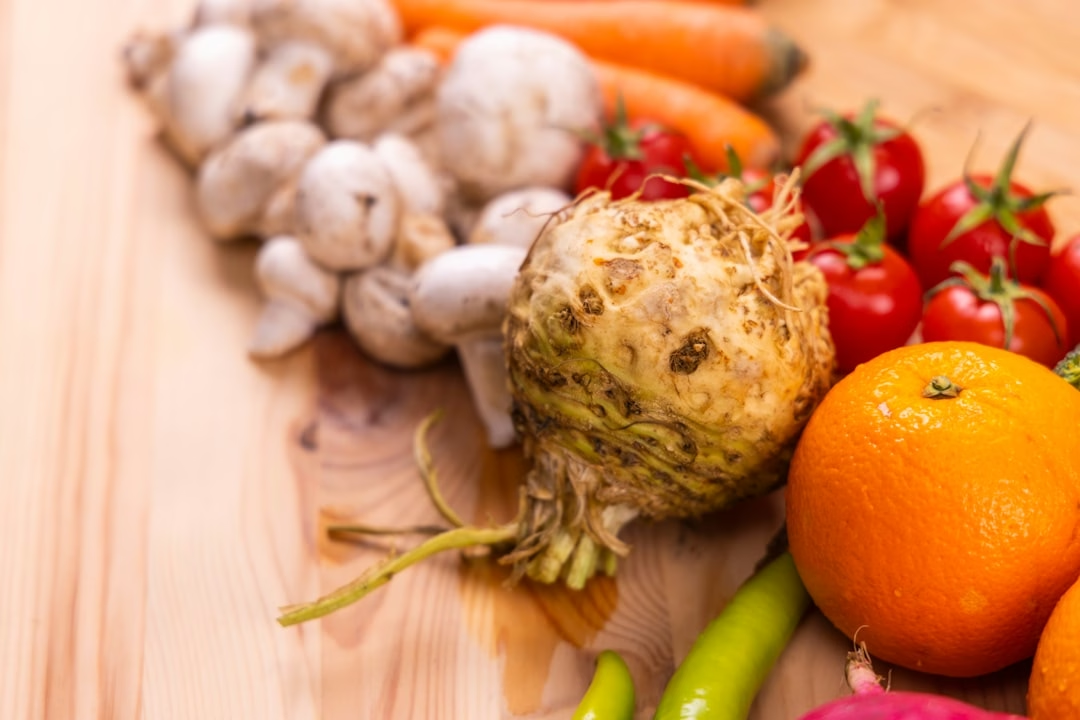
Dietary Pattern: Emphasize a balanced diet rich in plant foods (leafy greens, whole grains), lean protein, and healthy fats (oily fish, olive oil).
Protein Intake: Increase protein consumption to meet the body’s heightened needs during perimenopause, focusing on sources like beans, tofu, fish, and lean meats.
Limit: Reduce intake of saturated fats and processed foods.
Lifestyle Integration: Combine dietary changes with regular physical activity.
Consistency: Focus on small, sustainable habit changes maintained over time, rather than drastic, short-term measures.
FAQS
Why am I gaining weight during perimenopause even though I eat the same? Hormonal fluctuations during perimenopause can influence appetite, fat distribution, muscle mass, sleep, and how the body uses energy. These changes can make weight management more difficult even when eating habits have not changed significantly.
Can changing my diet make perimenopause symptoms worse? Yes, depending on the type of diet. Very restrictive eating patterns may make it harder to meet nutritional needs and can leave you feeling fatigued or overly hungry. A balanced approach is generally more sustainable than eliminating large groups of foods without a clear reason.
Why do I feel hungry all the time during perimenopause? Changes in hormones, sleep quality, stress, activity levels, and body composition can all influence hunger and fullness signals during perimenopause. Consistently eating balanced meals may help keep appetite more manageable.
Can skipping breakfast affect perimenopause symptoms? Skipping breakfast does not automatically worsen perimenopause, and there is no universal requirement to eat at a particular time. What matters more is whether your overall eating pattern provides enough nutrients and supports your energy, appetite, and lifestyle.
Is intermittent fasting good for women in perimenopause? Intermittent fasting may work for some people, but evidence does not establish it as a uniquely effective approach for managing perimenopause. If fasting causes excessive hunger, fatigue, poor sleep, or difficulty meeting nutritional needs, a more consistent eating pattern may be preferable.
The Bottom Line
No single food or supplement is a magic bullet for menopause. However, a science-backed perimenopause diet plan that strategically increases phytoestrogens (like soy), prioritizes protein, ensures adequate vitamin D, and incorporates anti-inflammatory whole foods can powerfully manage symptoms from hot flashes to bone loss. When these dietary habits are paired with consistent physical activity, they form a sustainable foundation for navigating the menopausal transition with greater ease and long-term health.
Confused by supplements, nutrition advice, and endless health trends? SuppFactsDaily cuts through the noise with clear, science-backed insights on supplements, health, wellness, and nutrition you can actually trust. Every article is built using credible sources like NIH, Cleveland Clinic, and leading medical institutions.
No hype. No guesswork. Just practical guidance to help you make smarter health decisions with confidence.