What if better sleep, less stress, and faster recovery came down to one smarter form of magnesium?

Magnesium glycinate—also known as magnesium diglycinate or bisglycinate—is a highly absorbable form that helps raise low magnesium levels, especially in those who are deficient.
Magnesium plays a key role in regulating blood sugar and blood pressure, supporting muscle and nerve function, and contributing to essential processes like DNA, protein, and bone synthesis.
Why Choose Magnesium Glycinate?
The body needs magnesium in significant quantities. Although the ideal method to absorb nutrients is through their natural sources, supplements exist to aid those with low magnesium levels in increasing their intake.
- Magnesium glycinate may aid in enhancing these levels, thereby assisting the body in managing functions like blood pressure, blood sugar levels, and the operation of muscles and nerves.
Many varieties of magnesium supplements can be found in the market.
- Magnesium oxide is the least expensive, yet your digestive system doesn’t absorb it effectively. It’s mainly used to alleviate heartburn or constipation.
- Magnesium glycinate is made by combining elemental magnesium and the amino acid glycine. This type of magnesium is bioavailable which indicates the magnesium is readily absorbed by your small intestine.
In contrast to other types of magnesium, magnesium glycinate may result in fewer side effects like stomach upset or diarrhea.
Top Benefits of Magnesium Glycinate
Magnesium glycinate has been demonstrated to offer several advantages, including:
- Supports bone health
- Helps reduce stress and promote relaxation
- Maintains healthy heart rhythm
- Eases muscle discomfort and cramps
- Helps relieve PMS symptoms
- Supports blood sugar control in people with diabetes
- Enhances exercise performance and recovery
Magnesium Glycinate Deficiency
Magnesium glycinate might help individuals who have a magnesium deficiency. Although symptomatic magnesium deficiency from inadequate dietary intake is rare, several health issues and medications can lead to low magnesium levels in a person.[5]
Magnesium Deficiency Symptoms:
- Appetite loss
- Tingling, cramping, and contractions of the muscles
- Nausea
- Exhaustion
- Vomiting
- Irregular cardiac rhythms and seizures
Typical Causes of Magnesium Deficiency
- Chronic diarrhea
- Alcohol consumption
- Malnutrition
- Inflammatory bowel disease
- Malabsorption from celiac disease
- Excessive urine from poorly controlled diabetes,
- Some drugs
If an individual exhibits signs of magnesium deficiency, a physician might request blood, saliva or urine tests to evaluate levels as precisely as possible.
Waiting for a confirmed diagnosis of deficiency before starting supplements is advisable, as symptoms typically linked to low magnesium might be due to a different health problem.
Daily Dosage
The recommended dietary allowances (RDA) for magnesium are as follows:
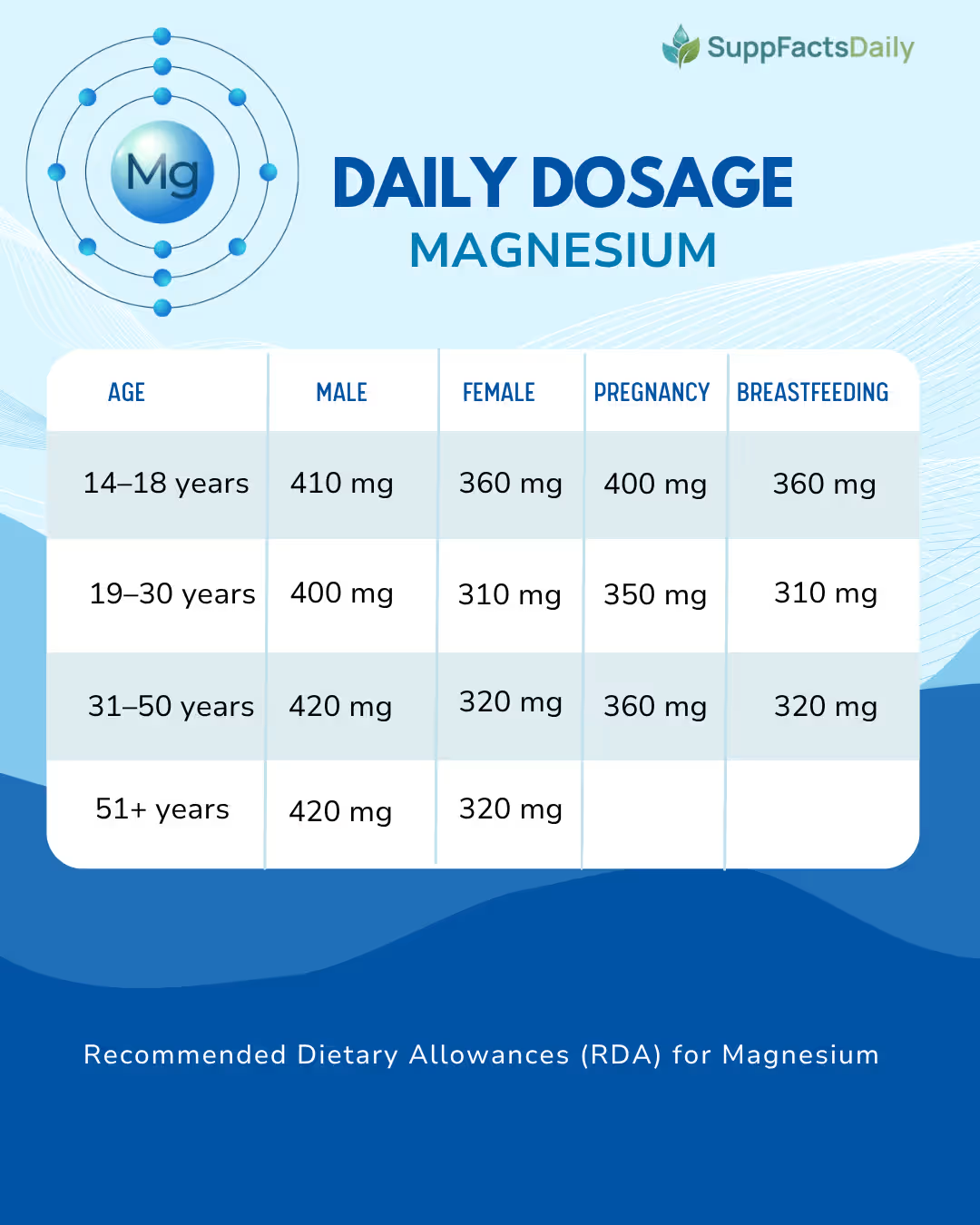
Source: National Institutes of Health [3]
When and how to take Magnesium Glycinate?
- In certain situations, a healthcare provider might suggest supplements for individuals with poor magnesium absorption.
- Magnesium glycinate is commonly offered as supplements in either pill or powder form.
- Similar to other supplements, it’s advisable to consume them with meals to minimize stomach discomfort.
- If you are using medications, consult a healthcare provider.
- They can inform you about potential interactions between your medication and your magnesium supplement.
The Bottom Line
Many individuals obtain sufficient magnesium from their food, so they might not require magnesium glycinate supplements on a daily basis.
If a health issue is leading to low magnesium levels, a physician might suggest magnesium glycinate supplements to replenish magnesium levels. The physician will recommend the number of days a person might need to use them.
References
[1] National Institutes of Health: Magnesium
[2] PubMed Central: The Importance of Magnesium in Clinical Healthcare
[3] PubChem: Magnesium Glycinate
[4] National Institutes of Health: Magnesium
[5] National Library of Medicine: Hypomagnesemia
[6] ScienceDirect: Magnesium Glycinate