
What feels like refreshment today could mean irreversible tooth damage tomorrow.

The link between soft drinks tooth decay and dental erosion is a serious, yet often overlooked, threat to oral health worldwide. A compelling case study of a 25-year-old man who consumed 1.5 liters of cola daily for years, resulting in severe, irreversible damage to his front teeth, highlights the real-world consequences of acidic beverage overconsumption. This article delves into the science behind how soft drinks destroy tooth enamel, offers practical prevention strategies, and explains why this issue demands global attention.
Dental Erosion vs Cavities: What’s Really Happening to Your Teeth?
Dental erosion, or erosive tooth wear, is the chronic, chemical loss of dental hard tissue caused by acid without bacterial involvement. The acids responsible can originate from dietary sources (extrinsic) or gastrointestinal issues (intrinsic). Rampant caries is defined as quickly spreading decay affecting multiple teeth, often quantified as a DMFT (decayed, missed, filled teeth) value of 5 or more. Soft drinks are a primary dietary culprit because they contain inherent acids and sugars, giving them both acidogenic (acid-producing) and cariogenic (cavity-causing) potential. Numerous studies[1][2][3] confirm a strong positive relationship between soft drink consumption and the dual development of dental erosion and caries.
Why Soft Drink Damage Is More Serious Than You Think
The damage from soft drinks is not merely cosmetic; it’s a progressive disease that weakens the fundamental structure of your teeth. Once tooth enamel is eroded, it does not regenerate. This loss leaves teeth vulnerable to sensitivity, discoloration, and severe decay that can lead to complex dental procedures, pain, and tooth loss. The combination of erosion (chemical wear) and caries (bacterial decay) is particularly destructive, accelerating tooth destruction far more than either condition alone. Understanding this risk is the first step in protecting your long-term oral health.
Real Case Study: How Daily Soda Destroyed a Young Adult’s Teeth
The clinical case presented offers a stark warning. A 25-year-old man with no other risk factors presented with severe wear on his front teeth over three years. His history included drinking 0.5-0.75L of cola daily for the first three years, escalating to 1.5L daily alongside fruit juices for over four years. He had poor oral hygiene, brushing only once daily, and admitted to holding the drink in his mouth to taste it before swallowing.
1. Diagnosis: What Dentists Found
Examination revealed crescent-shaped lesions on the buccal and labial surfaces of his teeth. Severe decay cavities were present on the incisors and canines, while less severe white spot lesions (indicative of early erosion) were found on premolars and molars. The pattern directly correlated with where the acidic fluid pooled in his mouth. This confirmed a complex diagnosis of both dental erosion and rampant dental caries caused by the excessive soft drink intake and poor hygiene.
2. Treatment Plan: What It Took to Fix the Damage
Treatment required gingivectomy (removal of excess gum tissue) and composite resin restorations to rebuild the lost tooth structure. Critically, the patient was advised to drastically reduce soft drink intake, avoid holding drinks in his mouth, improve oral hygiene by brushing at least twice daily with fluoride toothpaste, and crucially, avoid brushing his teeth immediately after consuming acidic drinks.
How Soft Drinks Destroy Tooth Enamel
The destructive power of soft drinks lies in two main factors: their acidity (leading to erosion) and their sugar content (leading to caries).
1. Acid Attack: How Low pH Drinks Erode Enamel
The erosive potential of a drink is determined by its pH (acidity level) and its buffering capacity (its ability to maintain that acidity in contact with tooth surfaces). Research shows carbonated drinks generally have a lower pH than fruit juices, but fruit juices and sports drinks often have a higher buffering capacity, meaning they can sustain an acidic environment longer[4]. Studies[5][6] indicate that sports drinks and juices can be as effective, if not more so, at softening enamel than some carbonated drinks. Even “sugar-free” options are not safe for enamel, as they often contain the same erosive acids.
2. Sugar & Bacteria: The Cavity-Causing Cycle
The high sugar content in regular soft drinks feeds harmful oral bacteria. These bacteria produce acid as a byproduct, further lowering the pH in the mouth and directly causing cavities. A comparative study[7] found that cola had higher cariogenicity (cavity-causing potential) than milk or even sucrose solution. This one-two punch of direct dietary acid and bacterially-produced acid creates an environment ripe for rapid tooth decay.
3. Your Drinking Habits Matter More Than You Think
How you drink significantly impacts risk. Holding a drink in the mouth leads to a more pronounced pH drop and greater erosion[8]. Sipping slowly throughout the day is more harmful than consuming a drink quickly with a meal, as it constantly bathes teeth in acid without allowing saliva time to neutralize it.
4. The Toothbrushing Mistake That Makes Things Worse
While brushing is essential for hygiene, brushing immediately after an acidic attack can worsen damage. Acid softens enamel, and brushing can abrade this softened surface. Research[9] suggests waiting at least 30-60 minutes after consuming acidic foods or drinks before brushing to allow saliva to remineralize the surface.
5. Choosing the Right Toothpaste for Enamel Protection
Not all toothpastes are equal in protecting against erosion. Non-fluoride and whitening dentifrices can increase tooth wear[10]. Fluoride and remineralizing toothpastes (containing ingredients like calcium, phosphate, and fluoride ions) are effective in inhibiting enamel erosion. Fluoride concentrations around 1100 ppm in toothpaste help reduce dentin wear from both erosion and abrasion[11].
Long-Term Risks of Soft Drink Damage on Teeth
The side effects of unchecked soft drink consumption on oral health are severe and progressive:
- Enamel Loss: Irreversible erosion of the protective outer tooth layer.
- Tooth Sensitivity: As enamel thins, underlying dentin becomes exposed, leading to pain from hot, cold, or sweet stimuli.
- Discoloration: Teeth may appear yellower as thinner enamel reveals the darker dentin beneath.
- Increased Cavity Risk: Weakened enamel is more susceptible to decay.
- Tooth Structure Changes: Teeth can become rounded, shorter, and develop concavities. In severe cases, the entire chewing surface morphology can disappear.
- Pulp Involvement and Tooth Loss: Advanced decay can reach the tooth’s nerve (pulp), causing infection, severe pain, and potentially necessitating root canal treatment or extraction.
How to Protect Your Teeth from Soda Damage
Protecting your teeth requires proactive habits. Here are evidence-based steps to prevent tooth erosion and decay:
- Limit Intake: The most effective step is to reduce the frequency and volume of soft drink consumption.
- Choose Wisely: If you do consume, opt for less erosive options. Milk and water are the best choices for teeth.
- Improve Drinking Habits: Drink quickly, use a straw placed towards the back of the mouth to bypass teeth, and avoid swishing or holding the drink.
- Rinse with Water: After consuming an acidic drink, rinse your mouth with water to help neutralize acids.
- Time Your Meals: Consume acidic drinks with meals, as increased saliva flow during eating helps buffer acids.
- Optimize Oral Hygiene: Brush at least twice daily with a fluoride or remineralizing toothpaste (containing 1100 ppm fluoride or similar ingredients).
- Wait to Brush: Avoid brushing your teeth for at least 60 minutes after consuming acidic foods or drinks.
- Regular Dental Check-ups: Visit your dentist regularly for early detection and professional advice tailored to your risk.
The Bottom Line
Excessive consumption of soft drinks is a direct and significant cause of complex dental damage, combining irreversible enamel erosion with severe, rampant caries. The case of the 25-year-old man is a powerful reminder that these are not hypothetical risks. Protecting your oral health requires awareness and action: limit acidic beverage intake, modify how you drink them, maintain excellent oral hygiene with the right products, and always consult with dental health professionals. Your teeth are meant to last a lifetime—guard them against the hidden dangers of cola and cavities.
Frequently Asked Questions
Can soft drinks really damage teeth permanently?
Yes. The acids in soft drinks can erode enamel, and once enamel is lost, it does not regenerate.
Are sugar-free or diet sodas safer for teeth?
No. Even without sugar, they contain acids that can still cause dental erosion.
How much soda is too much for your teeth?
Frequent consumption—even small amounts daily—can increase risk. It’s more about frequency than quantity.
Does using a straw help protect teeth?
Yes, it reduces direct contact between the drink and your teeth.
Can enamel grow back after erosion?
No, but fluoride and remineralizing agents can help strengthen remaining enamel.
Explore More On This Topic


Why Trust SuppFactsDaily
At SuppFactsDaily, we turn complex health and nutrition topics into clear, science-backed insights you can rely on. Every article is built on clinical research, real-world case studies, and trusted global health sources—so you understand not just what happens to your body, but why it matters.
We focus on nutritional supplements, wellness, and everyday health habits—without hype or misleading claims. Our goal is simple: help you make smarter, informed decisions with practical, honest information you can actually use.
Image Credits
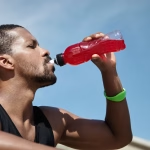
Photo by Jarritos Mexican Soda on Unsplash
References
[2] Dental erosion in 5-year-old Irish school children and associated factors: a pilot study
[3] The prevalence of dental erosion in preschool children in China
[4] Buffering capacities of soft drinks: the potential influence on dental erosion
[6] Properties and modification of soft drinks in relation to their erosive potential in vitro
[7] Comparison of the cariogenicity of cola, honey, cow milk, human milk, and sucrose
[8] Influence of drinking method on tooth-surface pH in relation to dental erosion
[9] Brushing abrasion of softened and remineralized dentin: an in situ study
[10] Dental caries in South African white children aged 1~5 years