Glutathione sits at the core of your body’s defense system—read the full article to discover why it matters.

Cells create the antioxidant glutathione. The three amino acids glutamine, glycine, and cysteine constitute the majority of it.
Numerous factors, such as stress, environmental pollutants, and poor nutrition, can lower the body’s levels of glutathione. Additionally, as people age, their levels usually decrease.
Glutathione can be administered intravenously, topically, or by inhalation in addition to being created naturally by the body. Additionally, it is offered as a liquid and capsule dietary supplement. However, for some circumstances, intravenous glutathione delivery may be more beneficial than oral consumption.
The Health Benefits of Glutathione are:
1. Lessens Oxidative Damage
An imbalance between the body’s capacity to combat free radicals and their creation results in oxidative stress. Excessive oxidative stress levels may be a precursor to certain illnesses.
Among them are:
- Diabetes
- Rheumatoid arthritis and cancer
One of the main antioxidants that can help stop oxidative stress is glutathione, which may help prevent disease.
2. Enhances Immune Function
Persistent inflammation from autoimmune disorders can exacerbate oxidative stress. These conditions include lupus, celiac disease, and rheumatoid arthritis.
Research from 2022 claims that glutathione either increases or decreases the body’s immune response to lessen oxidative stress. Certain cells’ mitochondria are attacked by autoimmune disorders like lupus. By removing free radicals, glutathione helps to safeguard cell mitochondria.[7]
3. Supports Liver Detoxification
A lack of antioxidants, such as glutathione, may worsen liver cell death. Both alcohol abusers and non-abusers may develop fatty liver disease as a result. Protein, enzyme, and bilirubin levels in the blood of people with alcoholic fatty liver disease and metabolic dysfunction-associated steatotic liver disease (MASLD) have been demonstrated to be improved by glutathione. [8]
4. Improves Skin Health
- Glutathione is known for reducing hyperpigmentation and alleviating the symptoms of psoriasis.
- People with psoriasis had reduced glutathione levels, according to a trusted research study. According to this study, dimethyl fumarate, a drug commonly used to treat multiple sclerosis, may be useful in treating psoriasis since it reduces inflammation. [3]
- Through several mechanisms, dimethyl fumarate can also aid in raising glutathione levels, potentially improving the oxidative stress associated with psoriasis and enhancing the overall treatment outcomes for patients. However, further study is required to see how it can aid in the management of multiple sclerosis.
5. Role in Insulin Resistance
When some cells in your muscles, fat, and liver don’t react to insulin as well as they should and are unable to absorb glucose (sugar) from your blood, it’s known as insulin resistance. Diabetes and prediabetes are frequently linked to it.
Oral glutathione supplementation decreased insulin resistance in all participants in a 2021 trial of obese individuals, some of whom had type 2 diabetes and others of whom did not. Thus, glutathione may contribute to the improvement of insulin resistance.
6. Helps Manage Chronic Conditions
When glutathione levels are lower, it is found to be associated with conditions such as diabetes, heart disease, and chronic inflammation.
Natural Sources of Glutathione
Although your body makes glutathione, you can maintain its levels with diet.
Glutathione-rich foods or its precursors:
- Vegetables high in sulfur: cabbage, cauliflower, and broccoli
- Onions and garlic
- Avocados and spinach
- Asparagus
- Okra / Lady’s Finger
- Tomatoes
- Seeds and nuts
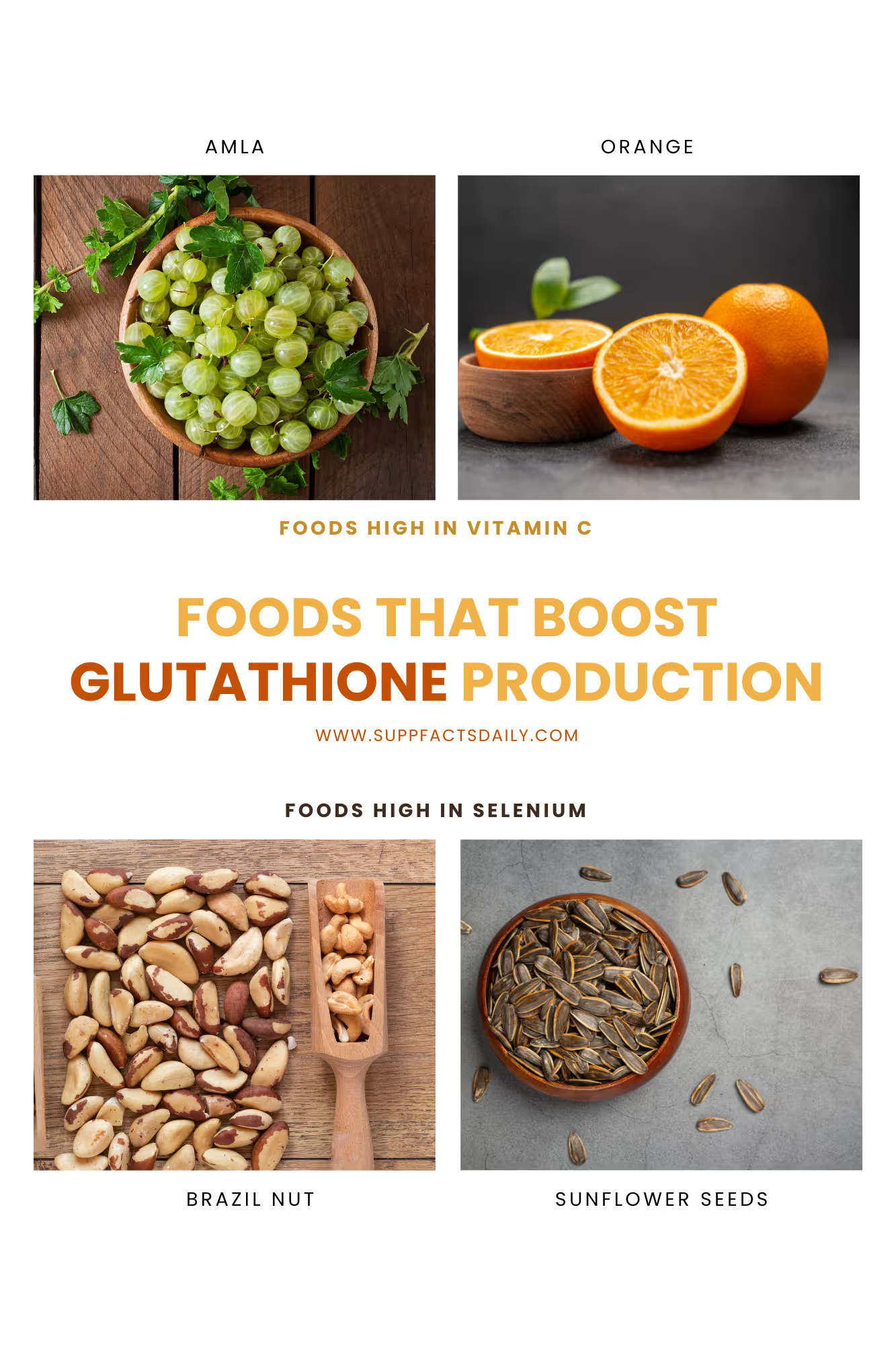
Foods That Boost Glutathione Production
Although your body makes glutathione, you can maintain its levels with diet.
Glutathione-rich foods or its precursors:
- Vegetables high in sulfur: cabbage, cauliflower, and broccoli
- Onions and garlic
- Avocados and spinach
- Asparagus
- Okra / Lady’s Finger
- Tomatoes
- Seeds and nuts
Should You Take Supplements?
In general, there are no dangers associated with a diet high in glutathione-boosting foods. But not everyone should take supplements.
Potential Side Effects of Glutathione:
To find out if glutathione is right for you, discuss it with your healthcare provider. Among the potential adverse consequences are:
- Cramping in the abdomen
- Breathing difficulties brought on by bronchial tightness
- Allergic reactions like rash and bloating.
The Bottom Line
The body’s cells produce glutathione, a potent antioxidant. Aging, stress, and exposure to toxins all cause its levels to drop. Reducing oxidative stress is one of the numerous potential health benefits of increasing glutathione.
Glutathione may also help with psoriasis and insulin resistance. Additionally, it might lessen the harm caused by fatty liver disease.
Even though glutathione is usually regarded as safe, you should see your doctor before starting any supplement regimen.
References
[1] PubMed Central: A Review of Dietary (Phyto)Nutrients for Glutathione Support
[2] PAGEPress Journals: Glutathione: pharmacological aspects and implications for clinical use
[3] ScienceDirect: A double-edged sword: ROS related therapies in the treatment of psoriasis
[4] PubMed: Effects of oral glutathione supplementation on systemic oxidative stress biomarkers in human volunteers
[5] PubMed Central: Glutathione and its antiaging and antimelanogenic effects
[6] National Institutes of Health: Glutathione for skin lightening: a regnant myth or evidence-based verity?
[7] PubMed Central : The Key Role of Glutathione Compared to Curcumin in the Management of Systemic Lupus Erythematosus: A Systematic Review
[8] PubMed Central: Efficacy of glutathione for the treatment of nonalcoholic fatty liver disease: an open-label, single-arm, multicenter, pilot study