
Your body needs more than calories—it needs the right mix of nutrients to truly thrive.
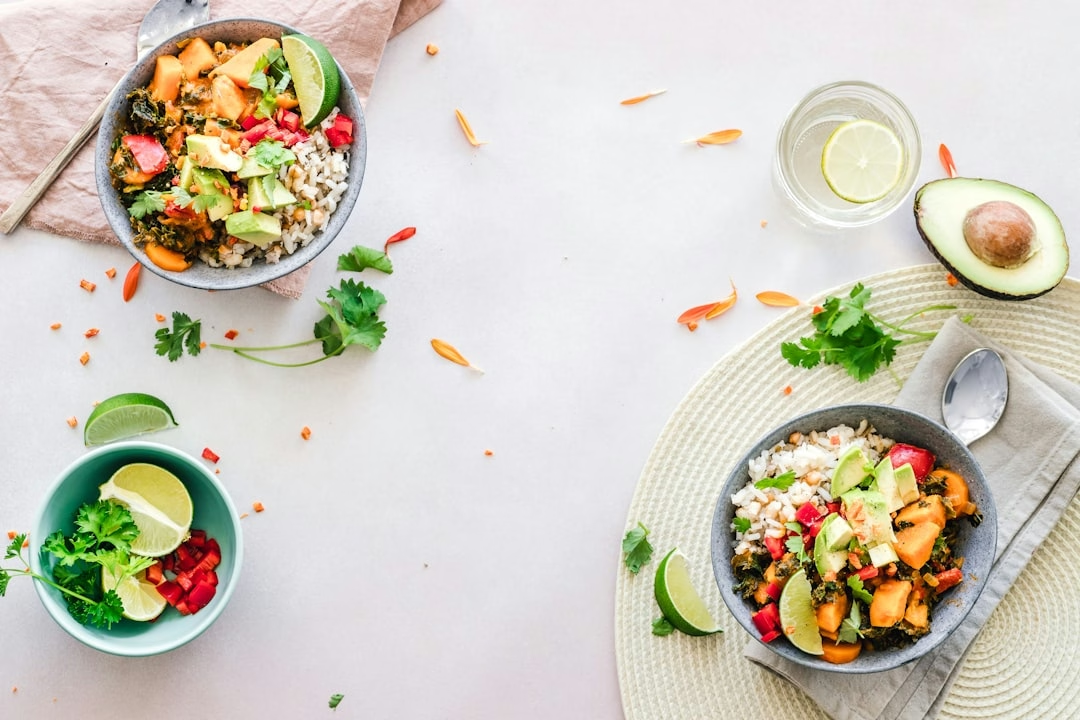
What Does a Balanced Diet Actually Mean?
At its core, a balanced diet means feeding your body a broad enough mix of nutrients to keep every system functioning the way it should. Skip that variety for too long and you open the door to more colds and infections, constant tiredness, sluggish performance, and a higher long-term risk of illness. Kids are especially vulnerable: a diet lacking in real, nourishing food can slow physical development, hurt concentration and grades in school, weaken immunity, and set the stage for poor eating patterns that carry into adulthood. Pair that with too little physical activity, and the odds of obesity, type 2 diabetes, and elevated blood pressure climb even further[1]..
Why a Balanced Diet Matters for Your Long-Term Health
Diet isn’t just about how you feel today — it shapes your health decades down the road. Studies consistently point to poor eating habits as a direct contributor to several of the leading causes of premature death[2].. Viewed that way, a well-rounded balanced diet functions almost like preventive medicine: it supplies the vitamins, minerals, and steady energy your body relies on to fend off disease and keep performing at its best.
Calories 101: How Much Energy Do You Actually Need?
A calorie is simply a unit of energy — the fuel your body pulls from food to breathe, think, move, and repair itself. A commonly cited average is around 2,000 calories a day, but that figure hides a lot of variation. Age, sex, and how physically active you are all shift the number up or down, and men typically need more than women simply due to differences in body composition and metabolic rate.
Roughly How Many Calories Different People Need Each Day
Group | Approximate calories |
Sedentary children, ages 2–8 | 1,000–1,400 |
Active children, ages 2–8 | 1,000–2,000 |
Girls/women, ages 9–13 | 1,400–2,200 |
Boys, ages 9–13 | 1,600–2,600 |
Active women, ages 14–30 | ~2,400 |
Sedentary women, ages 14–30 | 1,800–2,000 |
Active men, ages 14–30 | 2,800–3,200 |
Sedentary men, ages 14–30 | 2,000–2,600 |
Active adults, 30+ | 2,000–3,000 |
Sedentary adults, 30+ | 1,600–2,400 |
It’s not only how many calories you eat that matters — it’s where they come from. So-called “empty” calories give you energy but almost nothing else of nutritional value, and the goal should be to build most of your meals around nutrient-dense foods instead.
Foods That Tend to Deliver Mostly Empty Calories
- Cookies, cake, and pastries
- Deli and processed meats
- Soda and energy drinks
- Sweetened fruit beverages
- Ice cream and frozen desserts
- Fries and packaged chips
- Mass-produced, heavily processed pizza
Preparation matters as much as the ingredient list. A pizza made at home with a whole-grain crust and a pile of vegetables is a very different food than a frozen, heavily processed version — even though both fall under the same name.
Core Components of a Balanced Diet
A genuinely healthy, balanced diet draws from a wide spectrum of nutrients — vitamins and minerals, antioxidants, fiber and starches, protein, and fat — rather than leaning heavily on just one or two. The simplest way to get there is by regularly including foods from every major group.
The Main Food Groups
- Fruit
- Vegetables
- Grains
- Dairy or a fortified substitute
- Protein sources (meat, fish, eggs, legumes, nuts)
If you eat plant-based, staples like tofu, legumes, and beans can cover the same nutritional ground. People who can’t tolerate dairy have plenty of fortified, non-dairy alternatives to choose from instead.
Foods Worth Limiting
- Ultra-processed foods
- Refined grains
- Excess added sugar and sodium
- Red meat and processed meat
- Alcohol
- Artificial trans fats
What counts as “healthy” isn’t universal, though. Whole wheat, for instance, is a great choice for most people but a poor one for anyone with a gluten intolerance.
Fruit: Naturally Sweet and Nutrient-Packed
Fruit delivers a strong dose of vitamins, minerals, and protective antioxidants. Yes, it contains natural sugar, but the fiber that comes along with it slows digestion and helps prevent sharp blood sugar spikes. Buying what’s in season locally tends to mean fresher produce and better nutrient retention. If you’re managing diabetes, it’s worth talking to a healthcare provider about which fruits, portions, and timing work best for you.
Vegetables: Nutritional Variety in Every Color
Few foods do more for everyday nutrition than vegetables. Eating across the color spectrum — not just green, but red, orange, purple, and beyond — helps ensure you’re getting a wider range of nutrients. Dark, leafy varieties such as spinach, kale, broccoli, green beans, and Swiss chard are especially rich in nutrients. Because seasonal, local produce is often cheaper and more versatile, it’s easy to work into salads, soups, stir-fries, purées, smoothies, and simple roasted side dishes.
Picking Better Grains
Choose whole grains over their refined counterparts, like white flour products. Refining strips away the hull and germ—the very parts that hold most of a grain’s fiber, vitamins, and minerals. Whole grains keep those parts intact, which is why they generally offer more nutrition, more texture, and more flavor than their processed equivalents. Small swaps, like trading white rice or white bread for whole-grain versions, add up over time.
Protein: The Body’s Repair Crew
Protein supports everything from healing wounds to maintaining and building muscle. You can meet your needs through animal sources, plant sources, or a mix of both.
From animals:
Stick to fresh, minimally processed meat where possible. Evidence suggests that heavily processed meats—often loaded with sodium and preservatives—may carry added health risks[1].
From plants:
Lentils, beans, peas, almonds, sunflower seeds, walnuts, tofu, tempeh, and other soy-based foods are all strong plant-based protein options that also bring fiber and other nutrients along for the ride.
Dairy and Its Alternatives
Dairy is a solid source of protein, calcium, and vitamin D. If you’re watching fat intake, reduced-fat versions are widely available. For anyone who is vegan or lactose intolerant, fortified alternatives made from almonds, oats, soy, cashews, coconut, or flax can fill the same nutritional role — just check labels, since some of these products carry more added sugar than you’d expect.
Making Sense of Fats and Oils
Fat is a necessary part of any diet — it fuels the body and supports cell health — but too much of it, especially from the wrong sources[3], contributes to weight gain. Older nutrition advice was harsher on saturated fat than current research supports, though trans fats remain firmly on the “avoid” list. A simple way to think about it:
- Fats to favor: Plant oils and fish oils
- Fats to moderate: Butter, cheese, and cream
- Fats to avoid: Artificial trans fats, common in many processed snacks and baked goods
Extra virgin olive oil is a go-to example of one of the healthy fats worth building meals around. Fried foods, by contrast, tend to be calorie-dense without offering much nutritional payoff, so they’re best kept occasional.
Bringing It Together: Meal Planning for a Balanced Diet
Getting all of these pieces to work together comes down to structure. One of the simplest tools available is the plate method[4]:
- Cover half your plate with fruits and vegetables
- Use a little over a quarter for grains, ideally whole grains
- Reserve just under a quarter for protein
- Add a serving of dairy or a fortified substitute on the side
Because everyone’s needs differ slightly, tools like online meal planners can help you fine-tune the general guidance to fit your own body. Solid meal planning takes the daily guesswork out of eating well, which makes sticking to a balanced diet far more realistic, especially on hectic weekdays.
Hydration: The Piece People Forget
It’s easy to focus entirely on food and overlook hydration, but water plays just as central a role in a balanced diet as any food group. It helps regulate body temperature, keeps digestion moving, carries nutrients where they need to go, and supports your kidneys in clearing out waste. Even mild dehydration can bring on fatigue, headaches, or trouble concentrating — symptoms that are often mistaken for hunger.
A reasonable daily target for most adults is somewhere between 2 and 3 liters of fluid, adjusted upward for hot weather, intense exercise, pregnancy, or sickness. Herbal tea, coconut water, and water-heavy produce like cucumber, watermelon, and citrus all count toward that total. Soda and energy drinks technically add liquid, but they bring a load of empty calories with them, so they’re better treated as occasional indulgences than daily staples.
Portion Control and Eating with Intention
Even the most nutritious foods can work against a balanced diet if the portions get too large, which is why portion control deserves just as much attention as food quality. A few practical habits make this easier without turning every meal into a math problem:
- Swap oversized plates and bowls for smaller ones
- Load up on vegetables before reaching for grains or protein
- Slow down and check in with your hunger partway through a meal
- Portion snacks out instead of eating straight from the bag or box
- Cut distractions like phones or TV during meals so you can actually notice when you’re full
Over time, habits like these support healthier weight management, mostly because they train you to respond to your body’s actual hunger and fullness signals rather than external cues like portion size on a package.
How Often You Eat Matters Too
Timing plays a supporting role alongside food choice. Spacing meals roughly every three to five hours helps keep blood sugar and energy stable, which reduces the odds of overeating later in the day. Skipping meals — breakfast especially — often backfires by leaving you overly hungry and more likely to make poor choices come evening.
There’s no single “right” eating frequency. Some people do best with three solid meals; others prefer five or six smaller ones spread across the day. What actually matters is that your total intake lines up with your calorie and nutrient needs, and that each meal includes a mix of protein, fiber, and fat to help you feel satisfied.
Everyday Habits That Quietly Sabotage Good Eating
Even people trying hard to eat well can slip into patterns that undercut their efforts without realizing it:
- Leaning on “diet” packaged foods: Many reduced-fat or reduced-sugar products make up for it with extra sodium, sugar, or additives.
- Skimping on fiber: Diets that skip fiber-rich foods like beans, oats, and whole fruit are more prone to digestive trouble and blood sugar swings.
- Cutting out entire food groups: Removing all fat or all carbohydrates without medical direction can create real nutrient gaps.
- Mistaking thirst for hunger: Dehydration mimics hunger surprisingly well, so plenty of unnecessary snacking is really just a body asking for water.
- Overlooking liquid calories: Juice, specialty coffee drinks, and alcohol can add up to hundreds of extra calories without you noticing.
Small, gradual swaps — trading one processed snack at a time for a whole-food option — tend to stick far better than an abrupt, all-at-once overhaul, and they slowly build genuine healthy eating habits.
What a Well-Rounded Day of Eating Could Look Like
For an active adult, a typical day on a balanced diet might include:
- Breakfast: Oats topped with berries, walnuts, and a touch of honey, alongside milk or a fortified plant-based version
- Mid-morning: A piece of seasonal fruit paired with a small handful of nuts
- Lunch: Grilled chicken or chickpeas over leafy greens with quinoa and roasted vegetables, finished with olive oil
- Afternoon: Yogurt (dairy or fortified alternative) with a sprinkle of seeds
- Dinner: Baked fish or tofu with steamed vegetables and a modest serving of brown rice
- All day: Water as the default drink, with herbal tea as a backup option
This kind of day naturally checks the boxes for whole grains, both lean and plant-based protein, healthy fats, and a solid range of vitamins and minerals, all while keeping added sugar and sodium in check.
Nutrition Needs Shift Across Life Stages
What’s right nutritionally changes as you move through life:
- Children and teenagers need enough calcium, iron, and protein to keep pace with growth and brain development.
- Pregnancy and breastfeeding raise the need for folate, iron, and calcium—this is a good time to work with a healthcare provider on specifics.
- Older adults often need to prioritize protein and vitamin D to protect muscle and bone strength, even as total calorie needs tend to drop.
- Athletes and very active people usually need more calories, carbohydrates, and protein to fuel training and support recovery.
Across every stage, the same principles hold: variety, moderation, and nutrient density.
Safety and Possible Downsides of Getting This Wrong
Straying too far from a balanced diet—leaning on processed foods, added sugar, and unhealthy fat while skimping on real nutrition—carries real long-term risk. Over time, that pattern raises the odds of chronic disease, including obesity, type 2 diabetes, heart disease, and high blood pressure. In children, ongoing nutrient shortfalls can hold back growth, slow cognitive development, hurt academic performance, and lock in poor eating patterns that follow them into adulthood. Any dietary approach should be adjusted around personal health conditions, allergies, and intolerances, whether that’s lactose, gluten, or something else.
Putting It Into Practice
There’s no fixed formula or “dose” for a balanced diet—it’s an ongoing pattern rather than a single prescription. A few guiding principles help translate the idea into daily action:
- Use the plate method as your default: Half fruits and vegetables, a quarter grains, and a quarter protein.
- Build meals around whole foods: Fresh produce, whole grains, lean protein, and healthy fats should form the backbone of most meals.
- Keep processed foods to a minimum: Cut back on items loaded with added sugar, sodium, and unhealthy fat.
- Match calories to your actual needs: Use age, sex, and activity level as your guide, leaning on general reference tables as a starting point.
- Don’t skip water: Make it your main beverage and cut back on sugary drinks.
- Adjust for your own life: Personal preferences (vegan, vegetarian, or otherwise) and medical needs should shape the general guidelines, not the other way around.
- Bring in a professional when needed: A doctor or registered dietitian can help with specific health goals or medical conditions that call for a more tailored plan.
Frequently Asked Questions.
How soon will I notice a difference from eating this way?
Many people notice better digestion and steadier energy within a couple of weeks. Measurable shifts in weight, cholesterol, or blood sugar usually take closer to two or three months of consistency.
Can treats still fit into this kind of eating?
Absolutely. This isn’t about cutting foods out entirely—it’s about proportion. Working the occasional treat into an otherwise nutrient-dense way of eating is completely compatible with long-term health.
Do I need supplements on top of eating this way?
Most people can get what they need from food alone. That said, certain groups—vegans, pregnant individuals, and older adults among them—may benefit from targeted supplements, ideally guided by a doctor.
The Bottom Line
Think of a balanced diet less as a temporary fix and more as a long-term way of eating built on variety, moderation, and nutrient quality. Fill your plate with colorful produce, favor whole grains, mix in both lean and plant-based protein, and choose healthy fats over processed ones, and you’ll be giving your body what it needs for lasting energy, resilience, and long-term health.
You May Also Like




Why Trust SuppFactsDaily
Confused by supplements, nutrition advice, and endless health trends? SuppFactsDaily cuts through the noise with clear, science-backed insights on supplements, health, wellness, and nutrition you can actually trust. Every article is built using credible sources like NIH, Cleveland Clinic, and leading medical institutions.
No hype. No guesswork. Just practical guidance to help you make smarter health decisions with confidence.